The Truth About Turkey Decline and How to Still Have a Successful Season

Justin Hunold
04/21/2026
Turkey hunting has changed, and if you’ve spent any real time in the woods over the last few seasons, you’ve felt it. The mornings aren’t what they used to be. Ridges that once echoed with gobbles now sit quiet, and spots that felt reliable for years suddenly come up empty without much explanation.
That shift isn’t in your head. Across many parts of the country, turkey populations are declining, and in some regions the drop has been significant. Hunters are seeing fewer birds, hearing less gobbling, and working harder for fewer opportunities. It’s a frustrating trend, especially for those who remember when things felt more predictable.
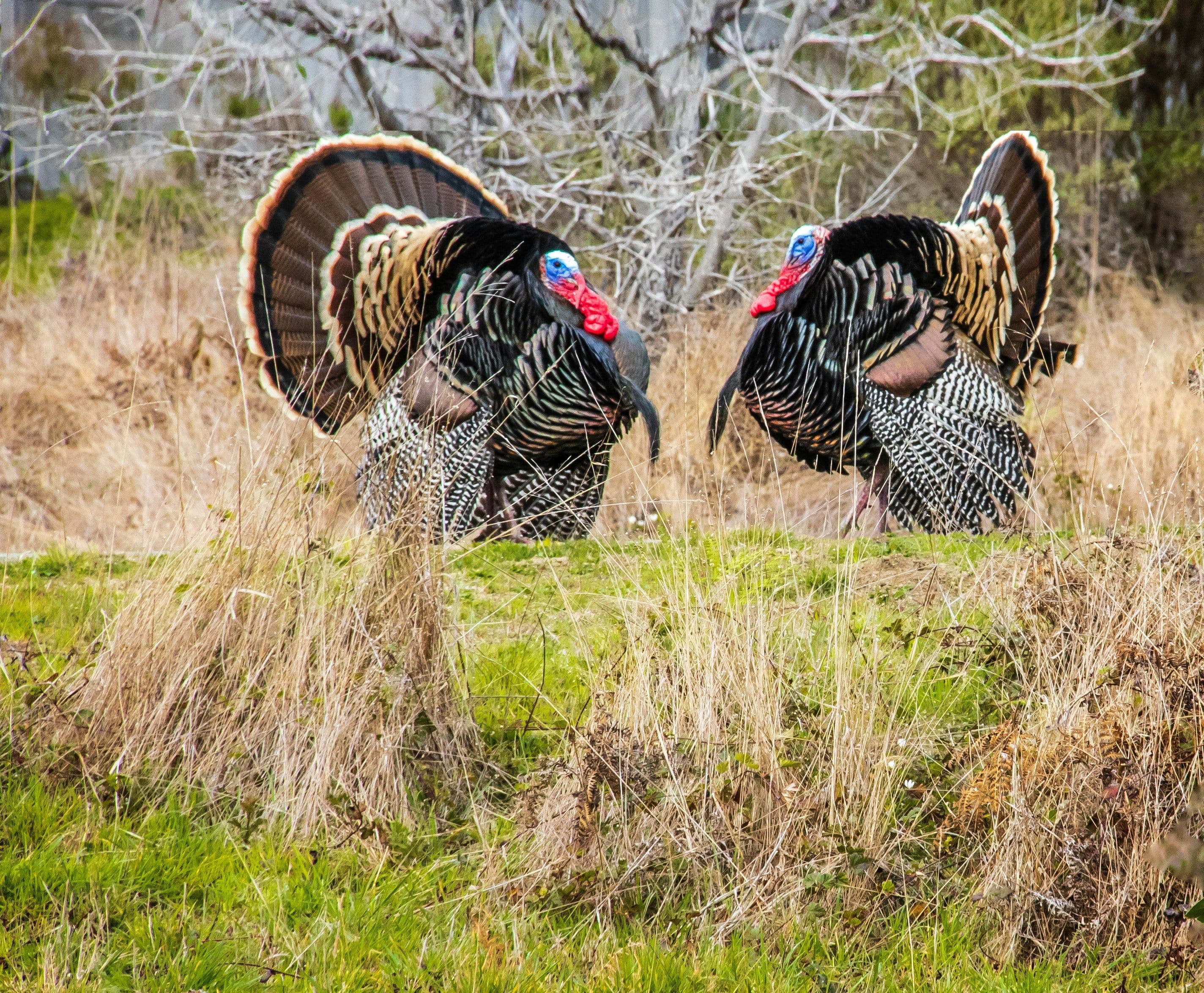
What’s important to understand, though, is that this isn’t the end of turkey hunting. It’s a change in conditions, and like most changes in hunting, it rewards the guys who are willing to adapt instead of repeating what used to work.
Hunt private land with Access+. Start your 7-day trial for day access to private properties across the Western US. Access+. Start your 7-day trial →
The Decline Is Real, But It’s Not One-Dimensional
When people talk about turkey population decline, they often look for a single cause. In reality, it’s a combination of factors that stack on top of each other and create a steady downward push in certain regions.
Turkeys require a specific type of habitat to thrive, not just survive. They need a blend of open ground rich in insects for young poults, thick cover for nesting hens, and mature timber for roosting. When that balance is intact, populations tend to hold strong. When pieces of that puzzle start to disappear, things begin to unravel.
That’s exactly what’s happening in many areas. Land use is changing, habitat is becoming less diverse, and the conditions that support strong reproduction aren’t as common as they once were.
Habitat Loss Is the Quiet Driver
The biggest issue working against turkeys right now is habitat loss, but it’s not always obvious because it happens gradually. A field gets cleaned up. A property gets developed. Timber is managed differently than it used to be. None of these changes seem drastic on their own, but over time they remove the exact conditions turkeys rely on.
Early successional habitat, which is critical for poults, is disappearing in a lot of regions. That weedy, bug-filled ground might not look appealing to people, but it’s essential for young birds trying to survive their first few weeks. Without it, poults don’t get the nutrition or cover they need, and survival rates drop quickly.
This creates a delayed effect that many hunters don’t immediately connect. The birds you’re hunting this spring are a product of what happened two or three years ago. When reproduction suffers, it shows up later as fewer mature birds on the landscape.
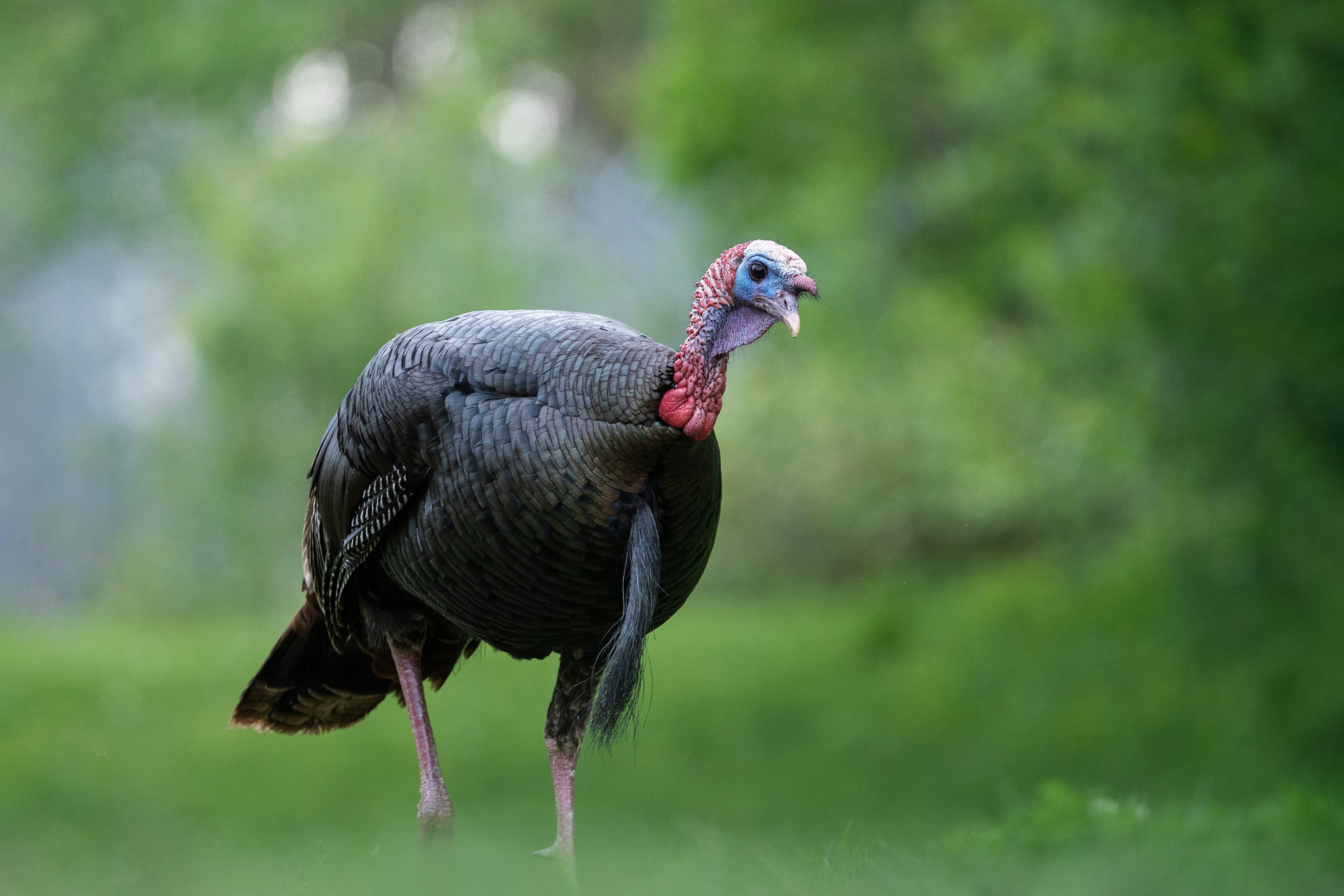
Poult Survival Is Where Populations Are Won or Lost
Even in areas where hens are nesting successfully, the real bottleneck is poult survival. This is where entire year classes can disappear under the wrong conditions.
Weather plays a major role. Cold, wet springs are especially hard on young birds, which depend on dry conditions and a steady supply of insects. A few days of rain at the wrong time can drastically reduce survival rates, and in some cases wipe out a large portion of a hatch.
When that happens more than once in a short span, populations start to dip in a way that’s noticeable to hunters. You go from seeing multiple age classes on a property to mostly older birds with very little coming up behind them.
Predation Adds Another Layer of Pressure
Predators have always been part of the equation, but in many areas their impact feels amplified. Raccoons, skunks, opossums, and coyotes all take a toll on nests and young birds, and in fragmented habitats they’re often more effective at finding them.
This isn’t about blaming predators entirely. It’s about recognizing that when habitat quality declines, nests become easier to locate and defend less effectively. That shifts the balance even further against successful reproduction.
When you combine habitat loss, poor poult survival, and consistent predation, the result is a slow but steady decline that’s difficult to reverse quickly.
Regional Differences Matter More Than Ever
One of the biggest mistakes hunters make is assuming the decline is uniform across the country. It’s not. Some states and regions are struggling significantly, while others still maintain solid populations, especially in areas with better habitat and less pressure.
That distinction matters because it reinforces an important point. Turkeys haven’t disappeared everywhere. They’re just not evenly distributed the way they once felt.
For hunters, this means success is becoming more tied to where you hunt than simply how you hunt.
Pressure Is What Most Hunters Actually Feel
While population decline is real, the day-to-day struggle most hunters notice comes from pressure. Public land sees more hunters every year, and even a modest drop in bird numbers can feel dramatic when combined with increased hunting activity.
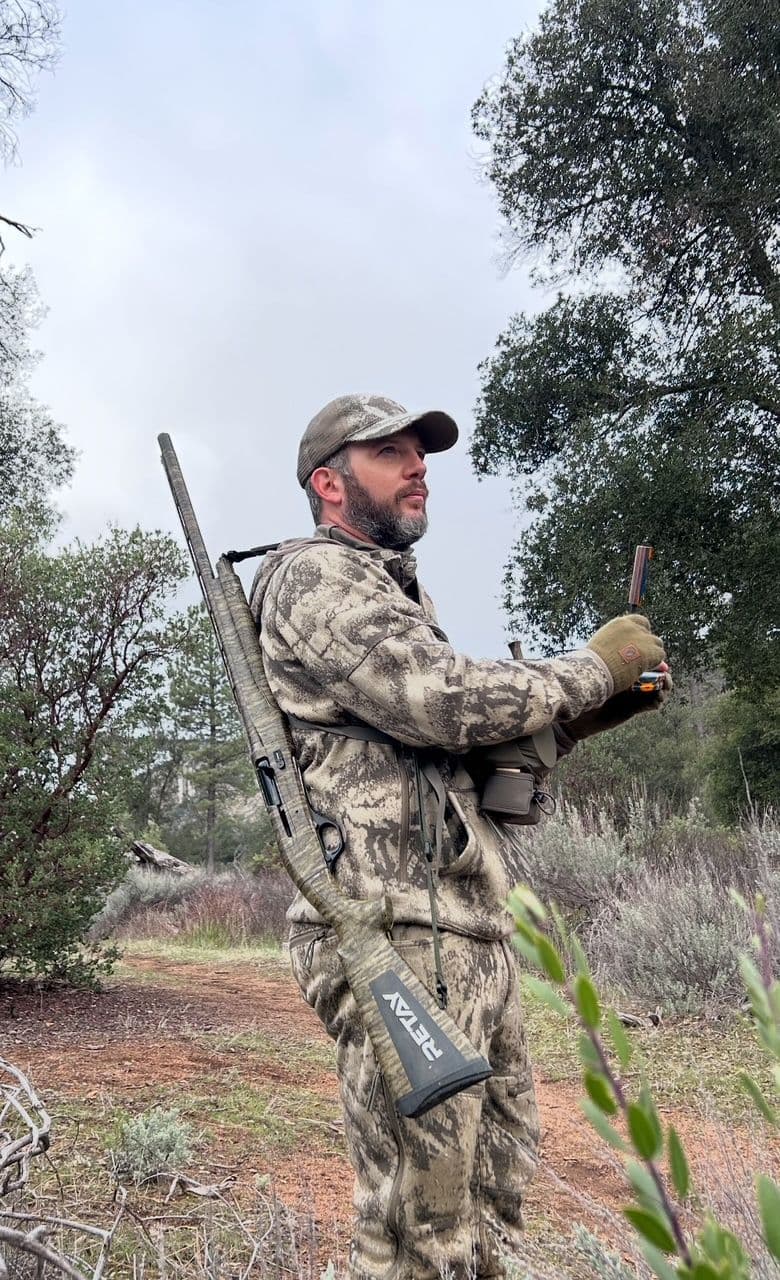
Turkeys on pressured ground behave differently. They hear more calling, encounter more setups, and become cautious much earlier in the season. Instead of working naturally, they hang up, go silent, or slip away before committing.
That’s why hunts feel harder than the raw numbers might suggest. You’re not just dealing with fewer birds. You’re dealing with birds that have already been educated.
Why Access Has Become the Deciding Factor
In this kind of environment, access becomes one of the most important variables a hunter can control. Skill still matters, but location often determines whether that skill ever gets a chance to work.
Low-pressure birds behave differently. They gobble more, respond more predictably, and move through the landscape without the constant disruption seen on heavily hunted ground. That creates more opportunities and better odds when everything comes together.
This is where platforms like Infinite Outdoors have started to change the conversation. Instead of relying entirely on overcrowded public land or limited personal connections, hunters can access private properties that offer better habitat and controlled pressure.
If you want to explore how that works in real scenarios, the main resource hub at https://infiniteoutdoorsusa.com/blog breaks down how hunters are using access to stay consistent despite changing conditions.
What Better Ground Actually Changes
When you step onto ground that’s managed well and hunted lightly, the difference is immediate. Birds act the way you expect them to. Gobbling lasts longer into the morning, movement patterns feel natural, and setups play out the way they should.
That doesn’t mean it’s easy, but it does mean your effort translates more directly into opportunity. Instead of trying to force a response from a pressured bird, you’re working within a system that supports success.
For many hunters, that shift alone is enough to completely change how they view their season.
Adapting to the Current Reality
Turkey hunting isn’t what it was twenty years ago, and waiting for it to return to that version isn’t a strategy. The hunters who continue to find success are the ones adjusting to current conditions and making decisions based on what the landscape actually offers.
That starts with being honest about where birds are and where they aren’t. It means focusing on habitat quality instead of tradition, and being willing to move on from spots that no longer produce.
It also means recognizing the value of access. Whether that comes from knocking on doors, building relationships, or using structured platforms, gaining entry to better ground is often the most direct way to improve your odds.
Turkey Hunting Isn’t Going Away
Despite the challenges, turkey hunting isn’t disappearing. It’s becoming more selective, more dependent on good decision-making, and less forgiving of outdated approaches.
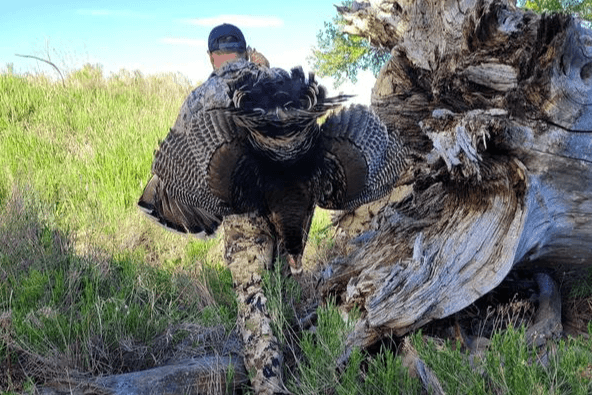
Opportunities still exist, and in many cases they’re just as good as they’ve ever been. They’re simply tied to better habitat, smarter access, and a willingness to adapt.
Hunters who understand that are still having strong seasons. They’re still finding birds, working them effectively, and filling tags.
Unlock new properties, hunt smarter, and find birds that haven’t been worked over.Start exploring with Infinite Outdoors and make your next move count.- Sign Up Here
Final Takeaway
Turkey populations are facing real challenges in many regions, driven by habitat loss, poor reproduction, predation, and weather patterns. Those factors aren’t going away overnight, and they’re reshaping what a successful season looks like for a lot of hunters.
What hasn’t changed is the importance of where you hunt.
Better ground, lower pressure, and stronger habitat consistently lead to better outcomes. In the current environment, those factors matter more than any call, tactic, or piece of gear.
If you want to stack the odds back in your favor, that’s where to start.