Heavily Pressured Turkeys: How to Kill Birds That Have Heard It All

Justin Hunold
02/27/2026
There is a big difference between hunting turkeys and hunting heavily pressured turkeys.
The first group gobbles at owls, runs to box calls, and struts in wide-open fields like they own the place. The second group has been educated by hunters, harassed by predators, and forced to survive in broken habitats with low bird density.
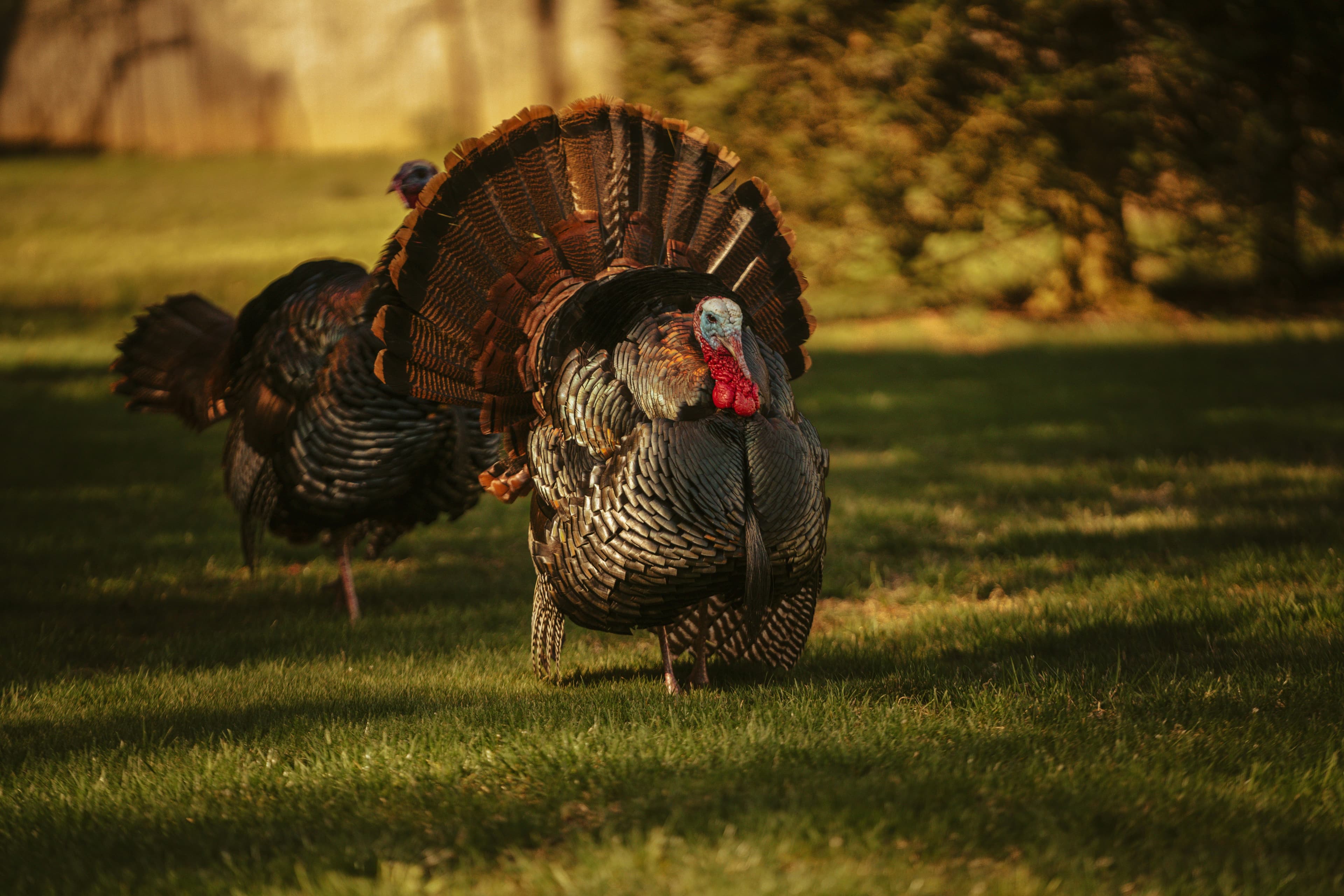
If you are hunting access properties, public ground, or farms with scattered birds, you are not chasing naive two-year-olds. You are hunting longbeards that have learned restraint.
When birds stop responding, hang up, or flat-out ignore you, there is a reason. Pressure changes behavior. Once you understand how, you stop blaming bad luck and start making better moves.
Why Won’t a Turkey Respond?
When a gobbler refuses to answer, most hunters assume he is not there.
He is often there.
Heavy hunting pressure conditions birds to associate calling with danger. After a few close calls with hunters, gobblers learn that every excited yelp does not equal a willing hen. They start slipping in silent. Or they stop responding altogether.
Predator pressure can have the same effect. Coyotes, bobcats, raccoons, and aerial predators constantly test their awareness. In areas with high predator density, birds grow cautious and vocalize less.
Low-density populations also play a role. If gobblers are spread out across large tracts, they may not hear you at all. Or they may respond once and lose interest because hens are scarce and travel routes are long.
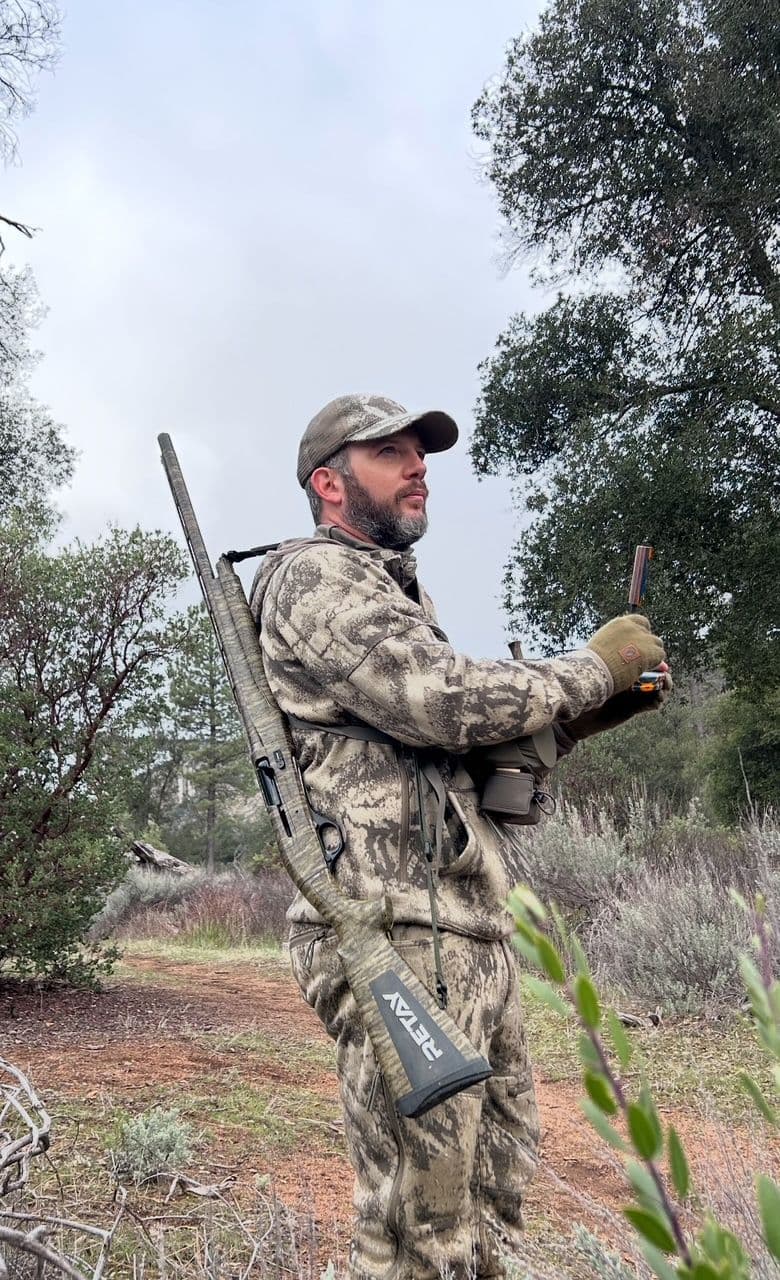
If a turkey will not respond, do not automatically call louder. Move. Cut distance. Change angles. Assume he heard you and is waiting to see more before committing.
Why Do Turkeys Hang Up?
Hanging up is the signature move of pressured birds.
A gobbler answers, closes the distance, and then stops at 60 or 80 yards. He struts. He gobbles. He waits.
Why do turkeys hang up? Because in his world, hens come to him.
When a bird has survived multiple seasons, he understands the script. Real hens walk toward gobbling toms. When your setup requires him to cross a fence, step into a wide-open field, or leave a known strut zone, he hits the brakes.
Terrain amplifies this behavior. Birds do not like cresting ridges blind. They hesitate at logging roads, field edges, creek crossings, and changes in elevation.
The fix is not more volume. It is better positioning.
Set up inside cover. Use terrain breaks to hide your approach. Give him a clear, safe lane to finish. Make the last 40 yards feel comfortable.
How Loud Should You Call Turkeys?
Most hunters call too much and too loud, especially on pressured ground.
Volume should match conditions and bird behavior. On windy mornings or when trying to strike distant birds, louder yelps make sense. But once you know a gobbler is within 150 yards, subtlety wins.
Heavily pressured birds associate aggressive, repetitive calling with hunters. Soft tree yelps, light clucks, and leaf scratching sound real. Long cutting sequences every two minutes do not.
If a bird is gobbling hard but not moving, reduce volume and frequency. Let silence create tension. Curiosity is powerful. Many pressured gobblers will slip in quietly when the calling stops.
Call to communicate. Not to perform.
What Is a Locator Call?
A locator call is not meant to bring a turkey in. It is meant to make him reveal himself.
Owl hoots at dawn. Crow calls mid-morning. Hawk screams on windy ridges. Even slamming a truck door can trigger a response.
These sounds tap into a reflex known as shock gobbling.
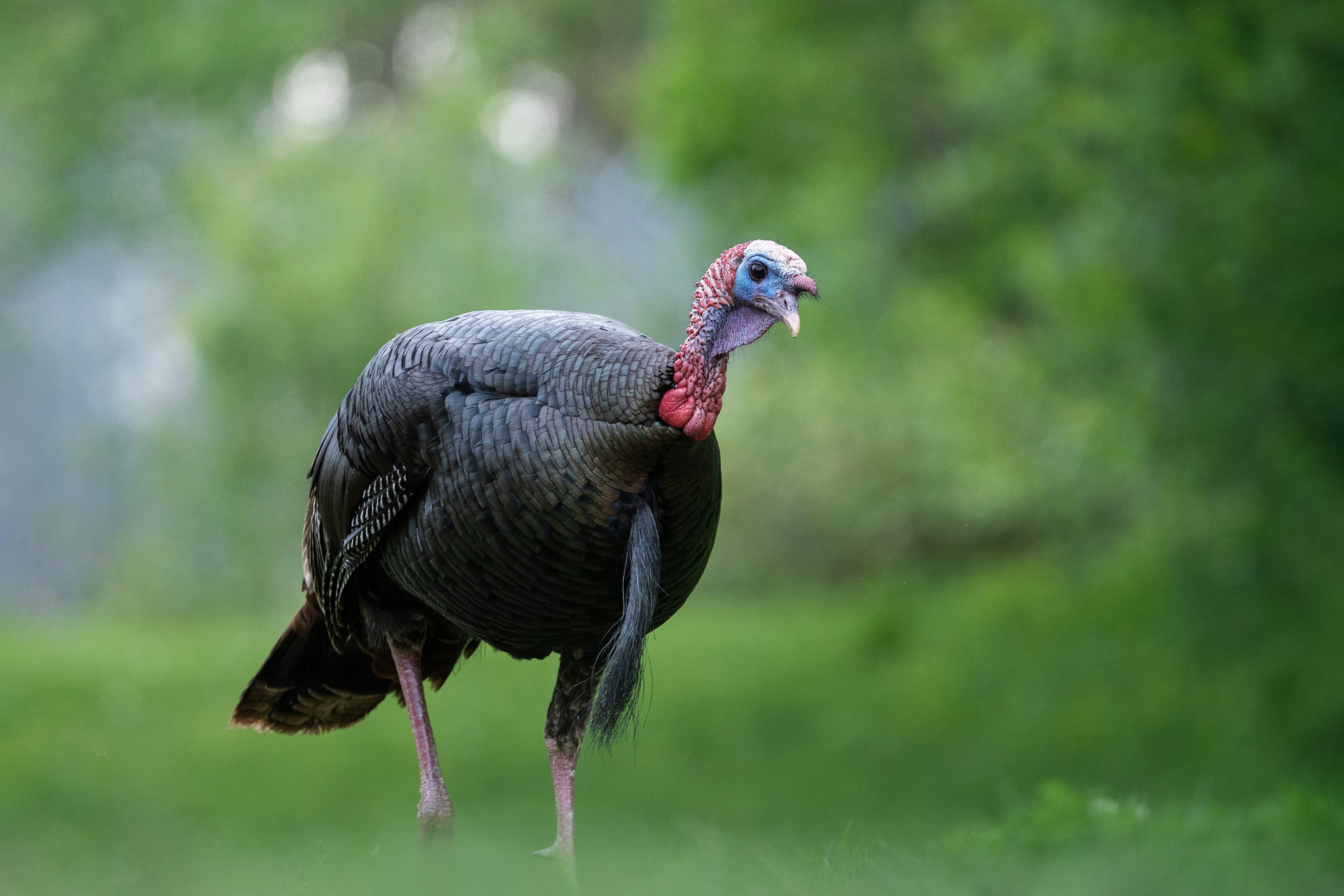
In heavily pressured areas, locator calls become critical because birds may refuse to answer hen calls but still react instinctively to sudden noises. That one shock gobble tells you direction, distance, and elevation.
What Is Shock Gobbling?
Shock gobbling is an involuntary reaction to a sudden sound.
A gobbler hears a sharp noise and fires off a gobble without thinking. It is not a breeding response. It is reflex.
In low-pressure environments, birds shock gobble often. In high-pressure areas, they may limit it, but the instinct never fully disappears.
Understanding shock gobbling helps you avoid overcalling. If a bird shock gobbles at your owl call and then goes quiet, that does not mean he lost interest. It means he marked his position and is evaluating.
Close distance quietly. Set up where he wants to travel. Then make him hunt you.
Hunting Birds Under Heavy Hunting Pressure
When birds are called to daily, they adapt.
They travel quieter routes. They avoid obvious field edges. They shift strut zones deeper into cover. They may even move roost sites after repeated disturbances.
The key adjustment is mobility and restraint.
Set up off the beaten path. Hunt overlooked terrain like steep draws, thick creek bottoms, and awkward corners of properties that most hunters skip.
And when you finally make contact, slow down. Let the woods work for you.
Predator Pressure and Scattered Populations
Predator pressure does more than reduce poult survival. It changes adult behavior.
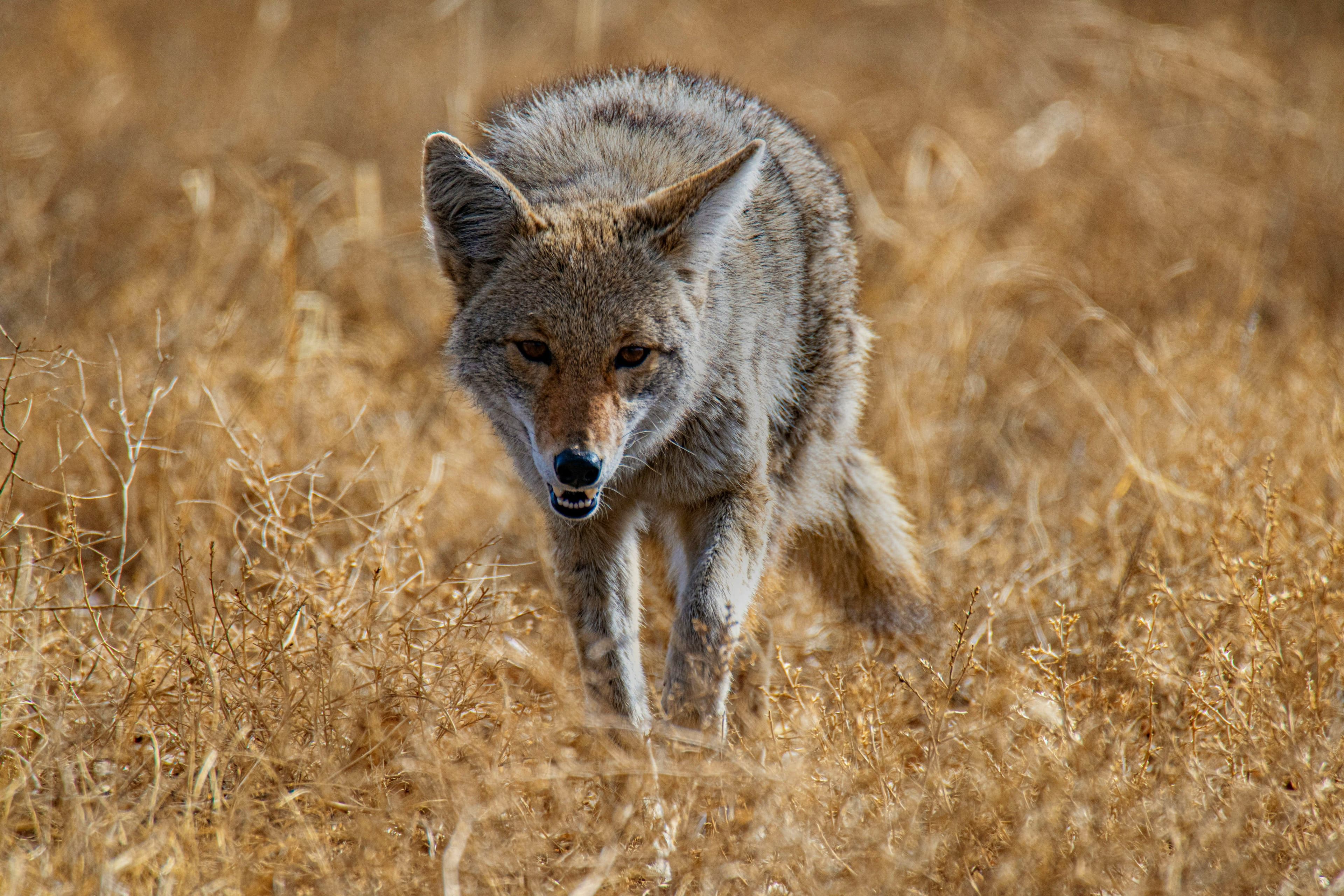
In areas with heavy coyote activity, gobblers often avoid wide-open exposure unless hens are present. They prefer terrain with quick escape routes and good visibility.
Scattered populations create another challenge. If you are hunting a property with low bird density, patience becomes critical. Those gobblers may travel long loops. They may not gobble daily.
In these cases, hunting travel corridors and established strut zones becomes more reliable than blind calling.
If you are not hearing birds, focus on where they need to be. Food sources. Water. Dusting areas. Nesting cover for hens.
Intercept movement instead of demanding a response.
Final Takeaway
Heavily pressured turkeys are not uncallable. They are cautious.
When a turkey will not respond, assume he heard you. When he hangs up, assume he needs security. When he goes silent, assume he is still moving.
Call less. Move smarter. Hunt terrain instead of sound.
The hunters who consistently kill pressured birds are not louder. They are closer. They understand why birds behave the way they do under pressure, and they adjust without ego.
Do that, and even the quietest longbeard will eventually make a mistake.