Run and Gun Turkey Hunting Tips: When to Move and When to Sit

Justin Hunold
03/20/2026
There’s a version of turkey hunting that looks good on paper and one that actually kills birds. The difference usually comes down to decision-making in the moment—when to push and when to lock down. That’s the whole game with run-and-gun turkey hunting. Not just covering ground, but knowing exactly why you’re moving and when you’ve already made the right move and need to sit still.
A lot of hunters get this wrong in both directions. They either sit too long waiting on a bird that’s never coming, or they move too fast and blow out a situation that was seconds from working. The guys who consistently tag out don’t just hunt harder. They hunt with intent. They understand that aggressive doesn’t mean reckless, and patience doesn’t mean passive.
If you want to get better at this, you need to start thinking in terms of scenarios, not rules.
Try Access+ for 7 days: private-land hunting and fishing across the West. Start the trial →
What Is Run and Gun Turkey Hunting?
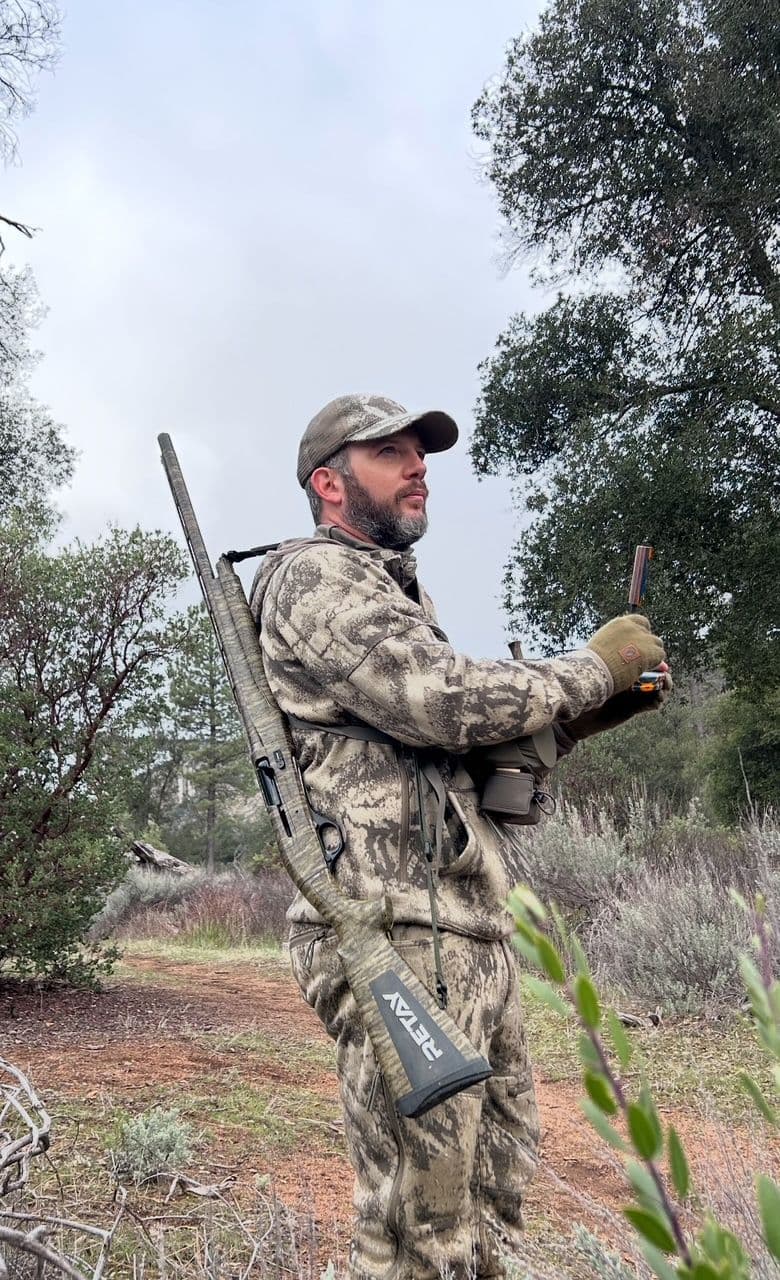
At its core, run and gun is a mobile turkey hunting strategy built around finding a bird that wants to play the game right now. Not later. Not maybe. Right now.
You’re not waiting on turkeys to show up. You’re going to them.
That usually means starting the morning with a plan, but not being tied to it. You might strike a bird on the roost with an owl hoot, set up, and kill him in 15 minutes. Or he might hit the ground, shut up, and disappear. When that happens, the worst thing you can do is sit there hoping he changes his mind. That’s where mobility separates you from the guys who go home empty-handed.
Run and gun shines in big country, on public land, or anywhere birds have been pressured into acting unpredictable. It’s especially effective when gobbling activity is low. When turkeys aren’t advertising their location, you have to go find them. That means covering ground, making calls, reading sign, and making quick decisions based on limited information.
But here’s the part people miss: movement is just a tool. It’s not the strategy itself. The strategy is putting yourself in the right place at the right time, and sometimes that means walking, and sometimes it means sitting longer than you want to.
When You SHOULD Move
Most bad turkey hunts have one thing in common—they stall out. The hunter stops making decisions. He second-guesses. He waits for something to happen instead of making something happen.
A classic example is the bird that gobbles hard on the roost. You get set up, the woods wake up, and everything feels right. Then he hits the ground and goes quiet. Minutes pass. Then more. You throw a few calls at him, maybe get nothing back, maybe get a half-hearted response. This is where a lot of guys dig in and commit to the spot. They think patience will win.
Sometimes it will. Most times it won’t.
A gobbler that goes silent after fly-down is telling you something. Maybe he’s with hens. Maybe he’s drifting away. Maybe he just doesn’t care. Whatever the reason, sitting there too long turns a good start into a wasted morning. At some point, you need to accept that this bird isn’t working and go find another one that will.
Another situation that demands movement is the classic hang-up. The bird is responsive. He’s gobbling. He sounds good. But he won’t close the distance. He stays just out of range, strutting, circling, holding ground like he’s got somewhere better to be.
He does.
And he’s not coming to you.
This is where aggressive turkey hunting earns its keep, but only if it’s controlled. Charging straight at him will get you busted more often than not. The better move is to use terrain to your advantage—loop wide, stay out of sight, and get into a position where you can intercept him. That might mean getting ahead of where he’s headed or cutting the distance from a direction he doesn’t expect.
Then there’s the hen problem. If a real hen shows up and pulls your gobbler away, the odds of calling him back drop fast. You can try to out-call her, but you’re playing a losing game. The smarter move is usually to shut up, pay attention to where they’re going, and reposition. Get in front of them, or at least get close enough to re-engage on your terms.
Bad setups are another reason to move, and they’re more common than most hunters want to admit. If you’re in a spot where a bird can hang up out of range, where you’re skylined, or where your visibility is limited, you’re not in a kill zone. You’re just in the woods. Fixing that often means getting up and finding a better position before the bird ever shows himself.
In all these scenarios, the common thread is this: movement is a response to information. You’re not moving just to move. You’re moving because the situation demands it.
When You NEED to Sit Tight
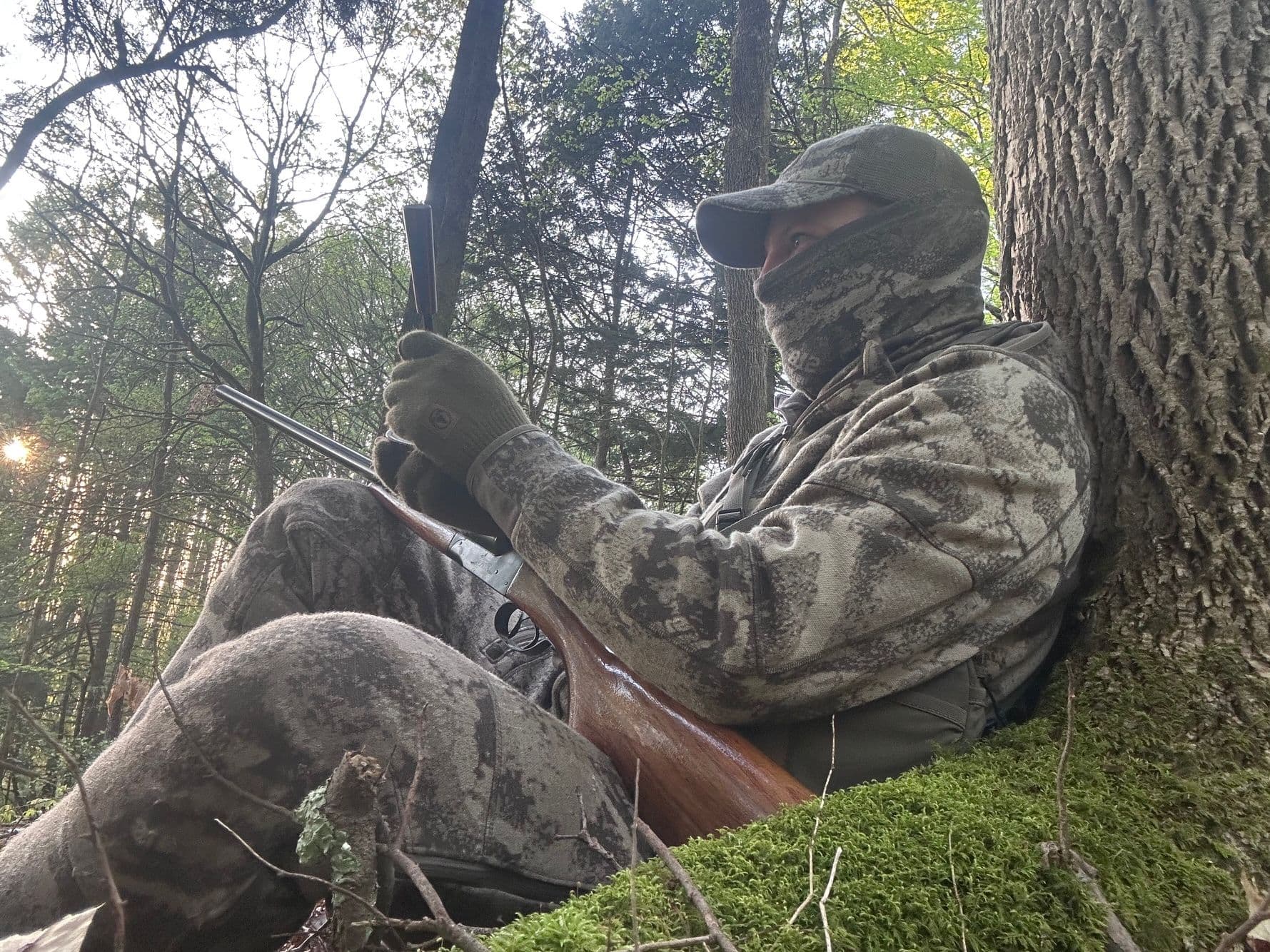
If movement is where most hunters hesitate, sitting still is where they fall apart.
There’s something about a gobbler that gets your blood up. When he answers your call and starts working in, it’s easy to feel like you need to do more. More calling. More adjusting. Maybe even a quick move to “close the deal.”
That’s how you ruin it.
A committed bird doesn’t need your help. If he’s answering consistently and working your direction, your job is to shut up and let him come. He might take his time. He might hang up briefly. He might circle. None of that matters if he’s still engaged.
The moment you stand up or shift too much, it’s over.
Mid-morning is another time when sitting tight pays off, especially for run and gun hunters. A lot of guys burn themselves out early, moving constantly, calling hard, trying to force something to happen. By 10 a.m., they’re heading back to the truck.
That’s when the woods often get good.
Hens go to nest. Gobblers that were tied up early start looking. They’re not always vocal, but they’re moving. If you’ve found a good area—a travel corridor, a ridge line, a field edge—it can pay to set up, call sparingly, and wait. This isn’t passive hunting. It’s strategic patience.
Pressure makes this even more important. On heavily hunted ground, turkeys get conditioned fast. They’ve heard every call, seen every decoy, and dodged more setups than you can count. These birds don’t tolerate mistakes. They require a lighter touch and a longer sit.
You might only call a few times in an hour. You might not hear a gobble. But if you’re in the right place, eventually one will slip in quiet, looking for what he thinks he heard.
Terrain funnels are another situation where sitting tight makes sense. Turkeys use the landscape in predictable ways. They travel ridges, follow edges, and move through certain corridors. If you find one of these spots, it’s often better to let the bird come to you rather than trying to force an encounter somewhere else.
The key in all of this is discipline. Not every moment requires action. Sometimes the best move is no move at all.
How to Move Without Blowing the Hunt
Moving is easy. Moving without getting caught is where experience shows up.
Turkeys don’t just rely on their eyes—they depend on them. If they see you, it’s over. So every move you make needs to be hidden, quiet, and deliberate.
Terrain is your biggest ally here. Ridges can keep you out of sight. Creek bottoms can muffle your steps. Thick timber can break up your outline. If you’re moving through open ground where a bird can spot you from a distance, you’re gambling.
The biggest mistake hunters make is taking the direct route. It feels efficient, but it rarely works. Turkeys have a way of looking exactly where you don’t want them to. A straight-line approach often puts you right in their line of sight.
Instead, think in terms of loops. Wider, slower, more thoughtful approaches that keep you hidden and set you up from a better angle. It might take longer, but it dramatically increases your odds.
Calling during movement is another gamble. There are times when it can help you keep track of a bird or even pull him closer. But more often, it tells him exactly where you are before you’re ready. A better approach is to move quietly, get set, and then call when you’re in position to capitalize on his response.
Gear That Makes Run and Gun Work
Gear won’t make you a better hunter, but the wrong gear will absolutely make you worse.
Run and gun hunting is physical. You’re covering miles, sitting down, getting up, and doing it all over again. If your setup is heavy, bulky, or uncomfortable, it’s going to slow you down and affect your decisions.
Finding the right shotgun for a run-and-gun turkey setup is really about balancing weight, recoil, and how far you’re willing to push your effective range. A lot of mobile hunters are starting to lean into sub-gauges—.410, 28, and 20—because they’re lighter to carry, quicker to shoulder, and surprisingly capable with modern loads, especially when you’re covering miles and setting up fast. But there’s still a strong case for the time-tested 12 gauge, particularly if you want maximum pattern density and forgiveness when a bird hangs up just outside comfort range. The decision comes down to how you hunt: if mobility and minimalism drive your approach, a smaller gun makes a lot of sense; if you’d rather have a little extra reach and margin for error, it’s hard to beat a 12. If you’re curious how the smaller bores stack up in real hunting scenarios, or you’re still weighing the trade-offs between a 12 and 20, it’s worth digging deeper into both before committing to one.
A lightweight vest or pack keeps you mobile. Good boots matter more than almost anything else—you can’t hunt effectively if your feet are shot halfway through the morning. Decoys are optional, and often unnecessary. Many experienced run and gun hunters skip them entirely to stay nimble.
Locator calls are a must. Owl hoots, crow calls—anything that gets a shock gobble can help you find birds faster and make better decisions about where to go next.
The goal isn’t to carry more. It’s to carry what actually helps.
Finding Birds Faster on New Ground
All the tactics in the world won’t help if you’re hunting birds that have already been worked over by every hunter in the county.
Pressure changes everything.
A property with a high turkey population but heavy hunting pressure can be tougher than a lower-density area where birds haven’t been messed with. Pressured birds gobble less, move more cautiously, and are far less likely to commit.
That’s why access matters so much.
With the Infinite Outdoors app, you can unlock private land that sees less pressure, giving you a huge advantage right out of the gate. Instead of competing with other hunters, you can focus on hunting birds that are more willing to respond and more likely to make mistakes.
It also opens up new ground, which is critical for a run and gun approach. If one area isn’t producing, you’re not stuck. You can pivot, relocate, and keep hunting effectively instead of grinding out unproductive setups.
If you want run and gun to work the way it’s supposed to, you need room to move and birds that haven’t been educated.
Common Run and Gun Mistakes
Most mistakes in this style of hunting come down to misreading the situation.
Moving too often is a big one. Just because you haven’t heard a gobble in 15 minutes doesn’t mean you should bail. Sometimes you’re closer than you think, and leaving too early costs you the hunt.
Calling too aggressively is another. Loud, frequent calling might feel productive, but it often does more harm than good, especially with pressured birds. Real hens don’t call nonstop, and neither should you.
Ignoring terrain is a mistake that shows up in both movement and setups. If you’re not thinking about how a turkey sees and moves through the landscape, you’re always a step behind.
And then there’s quitting too early. Midday kills a lot of birds, but most hunters aren’t there to see it. They’ve already decided the morning is over.
You can do everything right—move when you should, sit when it counts, read birds like a veteran—and still get beat if you’re hunting the same pressured ground as everyone else.
That’s the part most guys ignore.
Run & Gun Turkey Access
Access changes the entire game.
With Infinite Outdoors, you’re not stuck grinding overworked birds on crowded public. You can step onto private ground where gobblers still act like gobblers—where your decisions actually matter, and your effort pays off.
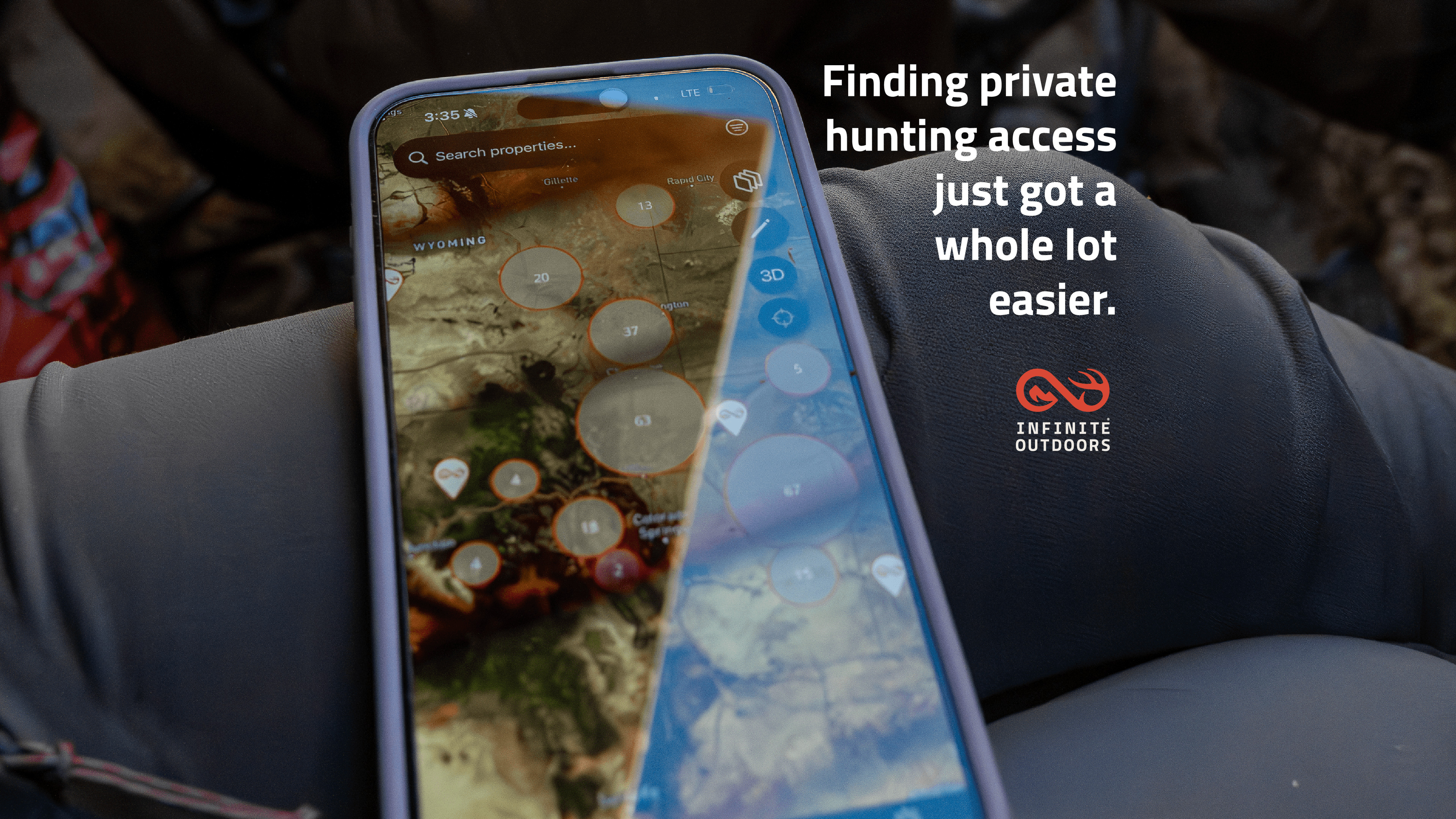
If you’re serious about becoming a better turkey hunter, stop relying on luck and start choosing better ground.
Unlock new properties, hunt smarter, and find birds that haven’t been worked over.Start exploring with Infinite Outdoors and make your next move count.- Sign Up Here
Final Takeaway
Run and gun turkey hunting tips don’t come down to a checklist. They come down to judgment.
Knowing when to move. Knowing when to sit. Knowing when to shut up.
It’s controlled aggression, backed by awareness and experience.
The best turkey hunters aren’t the ones who cover the most ground or make the most noise. They’re the ones who read the situation correctly and act accordingly.
And if you can pair that mindset with access to better, less-pressured ground, you’re stacking the odds even higher in your favor.
Explore new opportunities, hunt smarter, and find birds that haven’t been worked over by everyone else with Infinite Outdoors.
Then go put in the miles—and make them count.