Turkey Behavior in Tough Conditions: Hunting Silent Birds When Weather Turns Ugly

Justin Hunold
02/24/2026
Spring turkey hunting is supposed to be easy to love. Warm air. Hard gobbles. Longbeards running across green fields.
But most seasons are not built that way.
Most seasons are wind that rattles treetops. Cold fronts that shut birds up overnight. Rain that soaks the woods and kills the morning chorus. Add public land pressure or heavily hunted private ground, and you are not chasing fired-up two-year-olds. You are hunting survivors.
If you want to consistently kill gobblers through Infinite Outdoors access or any DIY ground, you have to understand how weather, terrain, and pressure shape turkey behavior. Silent birds are not random. They are predictable if you know what drives them.
What Temperature Is Best for Turkey Hunting?
The question gets asked every spring. What temperature is best for turkey hunting?
Moderate mornings between 45 and 65 degrees usually produce the most consistent gobbling. Birds are comfortable. Sound carries. Breeding is active.
Cold fronts, though, are where things get interesting. A sharp temperature drop can trigger intense early gobbling on the roost. The woods might light up at fly-down. The problem is that those birds often stick tight with hens. They will talk, but they will not travel.
When temperatures climb fast into the 70s and 80s, especially after sunrise, gobbling tends to taper earlier. Toms breed early, then drift toward shade or loafing areas.
The adjustment is simple but not easy. On cold mornings, get tight to the roost and be ready to reposition fast. On warm mornings, hunt mid-morning and focus on travel routes instead of field edges.
Do Turkeys Gobble in the Rain?
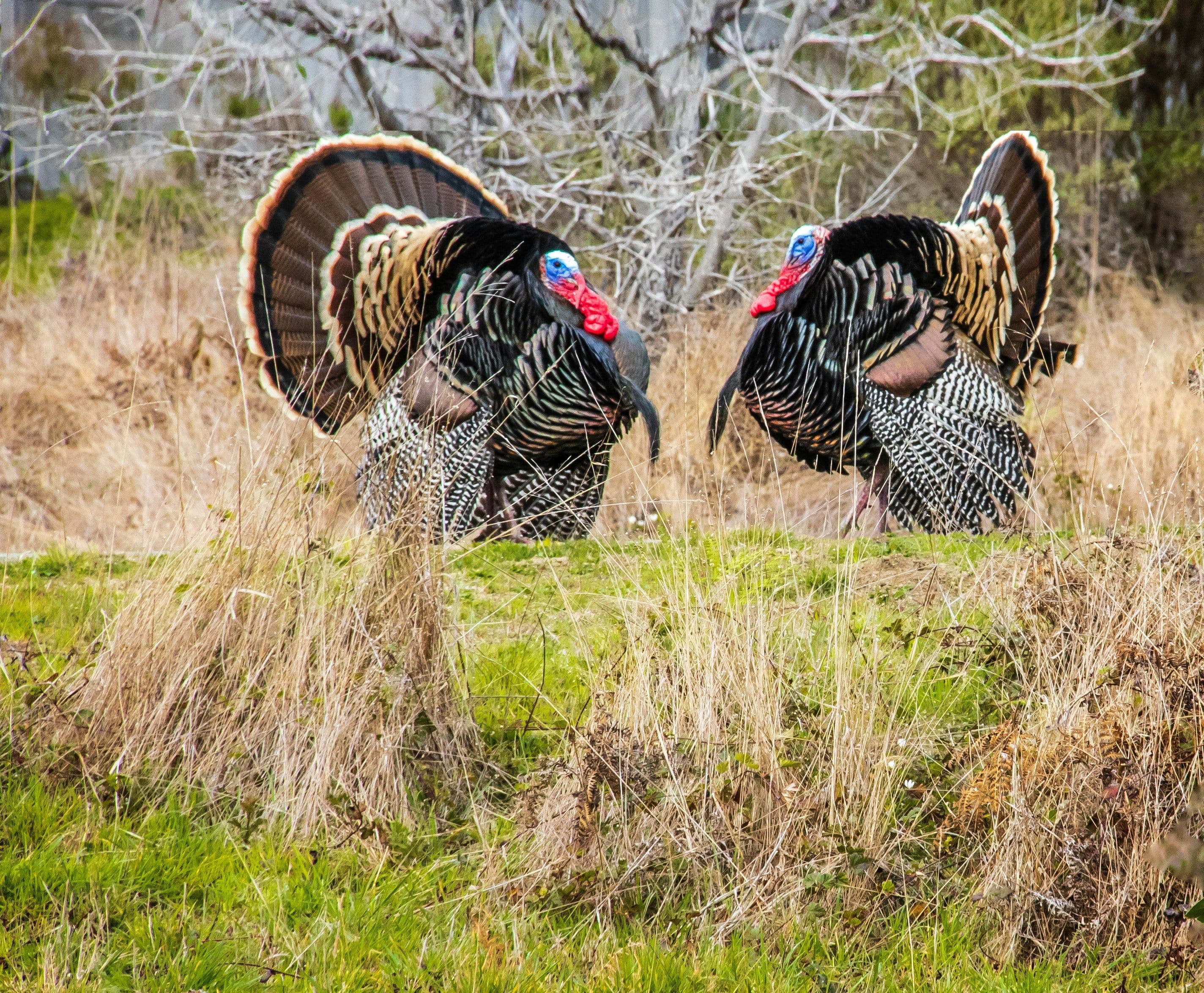
Light rain will not completely shut birds down, but steady rain changes everything.
Turkeys rely heavily on sight. In a downpour, visibility drops and sound gets distorted. Gobbling usually decreases, sometimes dramatically. Birds often shift to open hardwoods, field edges, logging roads, or any terrain where they can see danger coming.
Heavy rain does not mean birds disappear. It means they reposition.
The overlooked window is the edge of a storm. The hour before rain hits and the break right after it stops can trigger aggressive gobbling. Pressure shifts and changing conditions seem to reset them.
Instead of quitting when the forecast turns ugly, plan around it. Hunt high-visibility terrain during light rain. Be in position as the system moves out.
Do Turkeys Gobble in the Wind?
Wind might be the most frustrating condition a turkey hunter faces.
High wind limits a gobbler’s ability to hear hens and detect predators. Because of that, birds often abandon exposed ridges and open fields. They shift to leeward slopes, creek bottoms, and protected timber.
Gobbling typically drops as wind speeds rise. It is not that birds are gone. They are just not advertising their location.
When wind is ripping, close the distance before you call. You are not going to pull a bird from 300 yards. You need to get inside 100 and set up where he already wants to be.
Sheltered terrain becomes everything.
Best Time of Day to Hunt Turkeys
Everybody loves fly-down. Few hunters capitalize on late morning.
The best time of day to hunt turkeys, especially on pressured ground, is often between 9:30 a.m. and early afternoon. Early in the morning, gobblers are henned up. Those hens control the show. By mid-morning, many hens peel off to nest.
That is when a longbeard starts covering ground alone.
Understanding how far turkeys travel in a day matters here. Adult gobblers may cover one to two miles depending on habitat and breeding activity. They are not tied to one field or one ridge.
If you are sitting in one place waiting on a bird that left at sunrise, you are hunting memories. Mid-morning mobility kills lonely gobblers.
Early Season vs Late Season Turkey Hunting
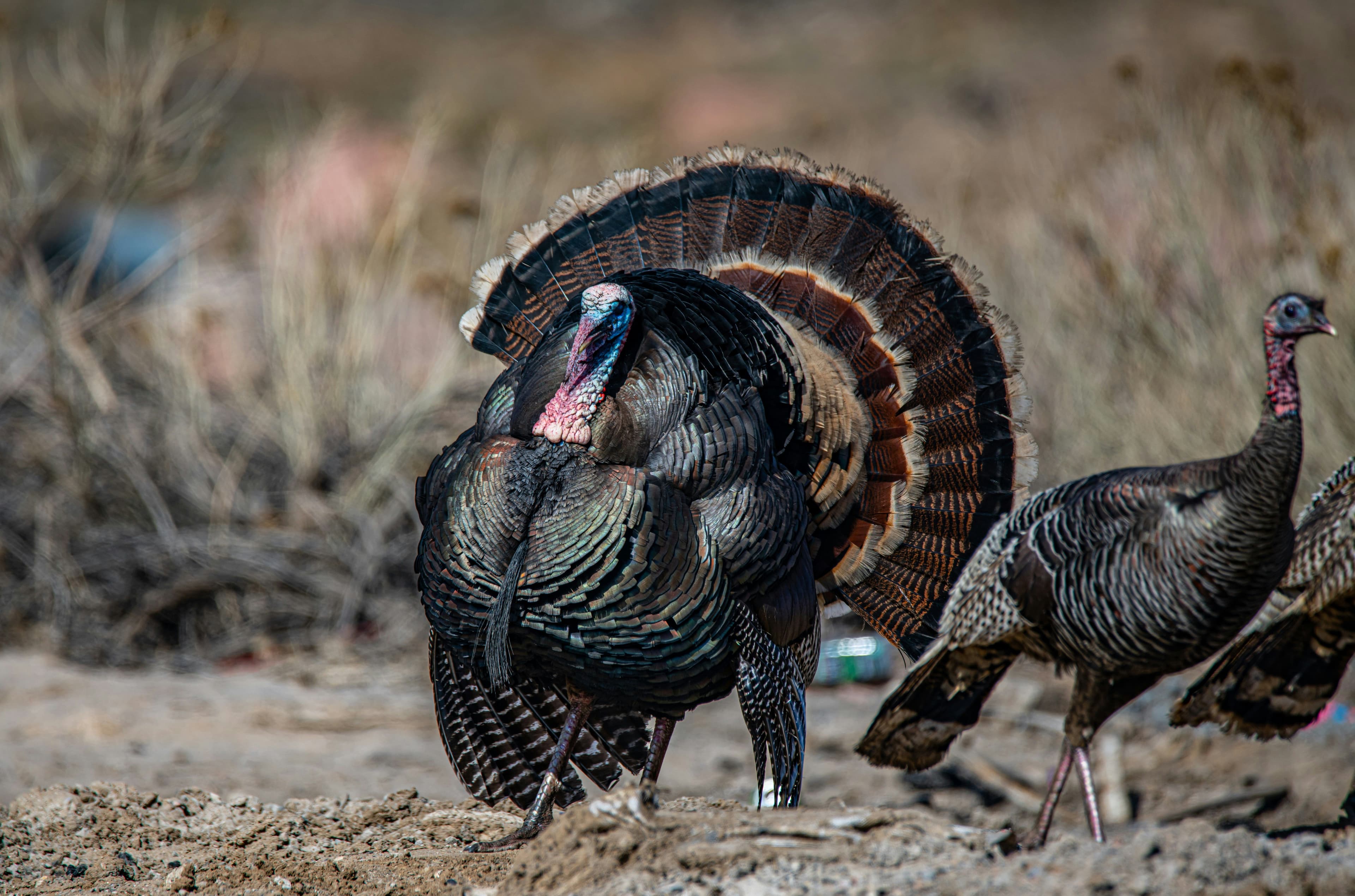
Early season turkey hunting feels loud. Birds gobble hard. Groups are still intact. Hens and gobblers are bunched up and visible.
But that visibility can work against you. Early season toms are often surrounded by hens. Calling aggressively can fire them up, but you are competing with the real thing. Positioning close to the roost and intercepting their natural travel routes is critical.
Late season turkey hunting is a different animal. Hens are nesting. Gobblers roam more independently. The woods feel quieter.
The birds that remain have heard every box call and diaphragm trick in the book. On pressured ground, they become cautious and call shy. Subtle calling, scratching leaves, and strategic ambush setups become more effective than aggressive yelping.
Early season rewards bold setups near the roost. Late season rewards patience and precision on travel corridors and strut zones.
Why Turkeys Avoid Open Fields
Turkeys love open areas for feeding and strutting, but they are not reckless.
Why turkeys avoid open fields often comes down to exposure. A gobbler might strut for an hour on the edge of a pasture and refuse to cross 80 yards of wide-open ground to reach your decoy.
He wants visibility and an escape route. Open ground without nearby cover makes him vulnerable.
Setting up just inside the timber, ten to twenty yards off the field edge, changes the dynamic. Instead of asking him to expose himself, you make him search for the hen inside cover. That subtle shift kills a lot of birds that would otherwise hang up.
What Is a Strut Zone?
A strut zone is a place a gobbler uses repeatedly to display for hens.
These are not random spots. They are social hubs. Ridge tops, logging roads, field corners, benches in open hardwoods, powerline cuts. Areas where hens naturally travel and visibility is good.
When birds go silent, strut zones become even more important. A gobbler might not answer your call, but he still has to check his usual display areas.
Instead of asking why he will not gobble, ask where he would strut if he were alone.
Set up there and wait him out.
How Far Do Turkeys Travel in a Day?
Movement depends on terrain, food availability, breeding phase, and hunting pressure.
In big timber and broken country, gobblers can easily cover more than a mile in a day. In agricultural landscapes with concentrated food, their daily loop may be tighter but still predictable.
If you understand how far turkeys travel in a day, you stop making one major mistake. You stop camping dead ground.
If you have not heard or seen fresh sign by mid-morning, move. Cover terrain. Strike birds. Intercept them instead of hoping they wander back.
Do Turkeys Come Back to the Same Roost?
In many cases, yes.
Turkeys often reuse general roost areas, especially along creek bottoms or mature ridges with suitable trees. They may not roost on the exact same limb every night, but they favor consistent zones.
Weather can shift them. Strong winds push birds into more protected timber. Heavy hunting pressure can make them unpredictable.
If you find droppings, feathers, and scratchings beneath large trees, you have likely found a preferred roost area. Do not burn it out by crowding them every morning. Hunt the fringes and give the core a break when needed.
Hunting Silent Birds on Pressured Ground
Silent gobblers frustrate most hunters. They should not.
Birds go quiet for predictable reasons. Heavy hunting pressure. Henned-up early season patterns. Post-front conditions. Wind and rain. Late season fatigue.
When a gobbler stops talking, shift from calling to reading sign. Fresh tracks in mud. Strut marks in sandy soil. Droppings on logging roads. Feather drag lines in dust.
Those signs tell you where he wants to be.
Call less. Sit tighter to terrain features. Scratch leaves. Let curiosity work for you. Silent birds still travel. They still strut. They still breed.
They just do it without announcing it.
Final Takeaway
Weather does not ruin turkey hunting. It refines it.
Rain shifts birds to open visibility. Wind pushes them into protected terrain. Heat shortens the morning window. Pressure makes them cautious. None of it makes them unhuntable.
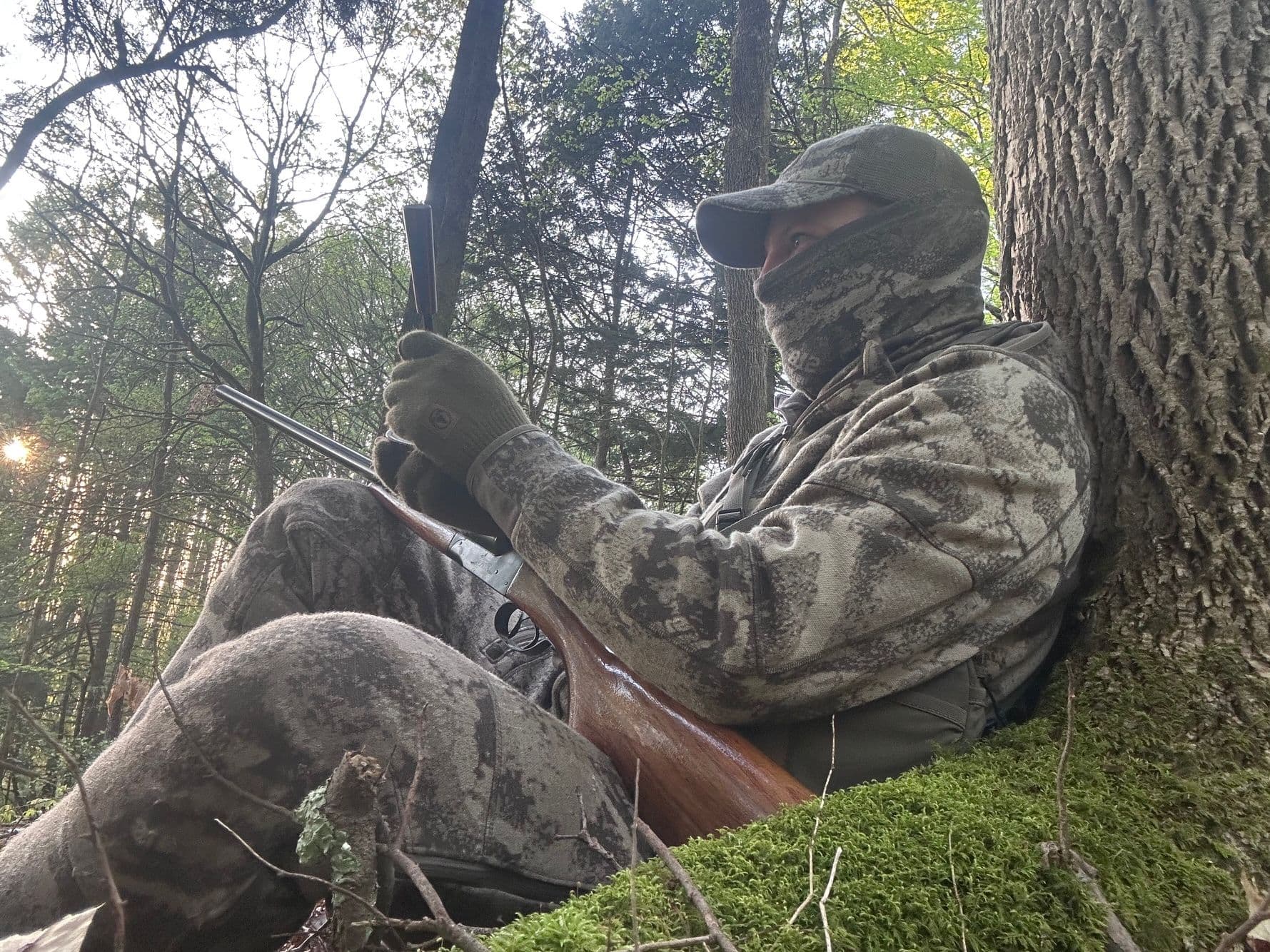
If you understand what temperature is best for turkey hunting, when turkeys gobble in the rain or wind, how far they travel, and where they prefer to roost and strut, you stop guessing.
You start intercepting.
And when you start hunting where birds want to be instead of where you want them to show up, silent mornings turn into heavy packs.