Fall Big Game Hunting Gear List: What to Pack for Deer, Elk, Antelope, and Bear Hunts

Justin Hunold
05/29/2026
Most Hunters Pack for the Species Instead of the Hunt
One of the biggest mistakes hunters make every fall has nothing to do with shooting ability, scouting, or physical conditioning.
It's packing for an animal instead of packing for a hunt.
A fall big game hunting gear list should include a reliable weapon system, proper licenses and tags, layered clothing, boots matched to the terrain, optics, a pack, kill kit, navigation tools, food, water, first aid, and weather protection. The exact gear changes depending on whether you are hunting whitetails from a treestand, elk in steep country, pronghorn on open plains, or bear around thick cover.
The truth is that a mature whitetail buck, a public-land bull elk, a prairie pronghorn, and a black bear all require different approaches. But the biggest factor isn't the species. It's the terrain, the weather, the distance from the truck, and the type of property you'll be hunting.
A hunter sitting in a creek-bottom treestand on private land needs a completely different gear setup than someone hiking five miles into elk country. Likewise, a pronghorn hunter spending entire days behind binoculars in wide-open country will prioritize gear differently than a bear hunter navigating thick timber and steep hillsides.
The best big game hunting gear list isn't built around marketing hype or the latest gadgets. It's built around solving problems you'll actually encounter in the field.
If you're planning a hunt this fall, whether close to home or traveling across state lines, the goal should be simple: bring enough gear to hunt efficiently, safely, and comfortably without carrying unnecessary weight or clutter.
Public parcels you can't legally reach without crossing private ground? Access+ includes passage through landowner agreements.. Start your 7-day trial →
Build Your Gear List Around the Hunt, Not the Animal
Every successful hunting trip starts with a simple question:
What kind of ground am I hunting?
Too many hunters begin by thinking about the animal they're pursuing. Experienced hunters start by thinking about where they'll pursue it.
A whitetail hunter on a managed farm may walk a few hundred yards from a vehicle to a stand. An elk hunter could spend twelve hours climbing ridges, crossing deadfall, and packing meat through steep country. A pronghorn hunter may spend more time behind optics than behind a rifle. A bear hunter might deal with changing weather, thick vegetation, and difficult recovery conditions.
The environment dictates almost every gear decision you'll make.
This is especially true when planning an out-of-state hunt. New terrain creates new challenges, and many of those challenges can be solved before you ever leave home.
The best hunters don't simply ask, "What should I bring?"
They ask, "What problems am I likely to face?"
That mindset leads to better decisions and lighter packs.
The Core Big Game Hunting Gear List Every Hunter Needs
While every hunt is different, some equipment belongs on virtually every fall hunting gear list.
Your weapon system is the obvious starting point. Whether you're carrying a rifle, muzzleloader, or bow, confidence matters. That means arriving with a setup you've practiced extensively with, not something you sighted in a week before opening day.
Beyond your weapon, your boots may be the most important piece of gear you own.
Hunters love discussing optics, packs, and clothing systems, but sore feet have ended more hunts than most people realize. Boots should match the terrain you'll be hunting. Lightweight footwear might be perfect for agricultural ground and short walks, while mountain hunts often demand stiffer, more supportive designs capable of handling steep side hills and heavy pack-outs.
Clothing deserves the same practical approach.
Layering is far more important than insulation ratings or marketing claims. Fall weather can swing dramatically within a single day. Cold mornings often become warm afternoons before transitioning back into freezing evenings. A layering system allows you to adapt without carrying excessive bulk.
Optics are another non-negotiable category. Good binoculars help you find game, evaluate terrain, and make informed decisions before moving. They often save more energy than any piece of gear in your pack because they reduce unnecessary hiking and guesswork.
Then there's the equipment most hunters don't think much about until it's suddenly critical.
A sharp knife. A quality headlamp. Game bags. Water filtration. A first-aid kit. Navigation tools. Emergency gear.
These aren't exciting purchases. They won't dominate social media discussions. Yet they often become the most important items you carry when conditions change or success finally arrives.
The best DIY hunting gear list prioritizes reliability over novelty. If an item doesn't solve a real problem, it probably doesn't belong in your pack.
Whitetail Hunting Is a Game of Patience
Whitetail hunters often carry less gear than western hunters, but that doesn't mean gear matters less.
In many ways, whitetail hunting places a greater emphasis on comfort and organization.
A hunter sitting for six or eight hours quickly learns that small details matter. Clothing that bunches up, squeaks, or traps moisture becomes frustrating. Poorly organized gear creates unnecessary movement when opportunities appear.
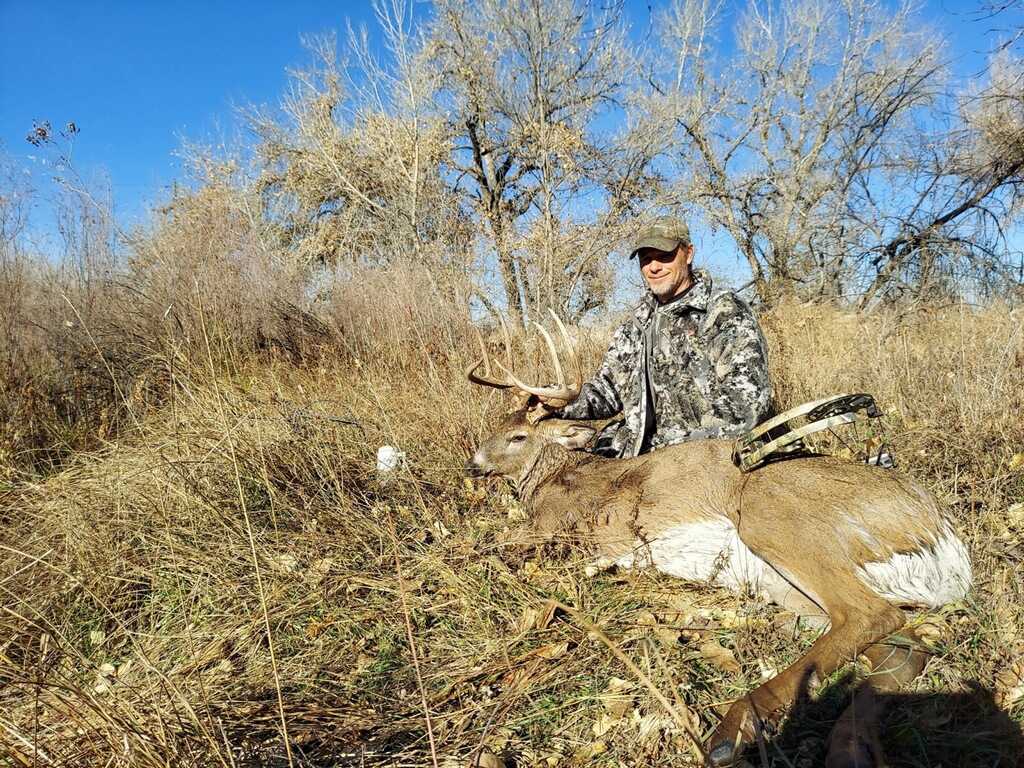
Most serious deer hunters eventually realize that success often comes down to remaining comfortable enough to stay in position.
That's why quiet outer layers, effective layering systems, and quality seat cushions frequently outperform flashy gadgets.
For hunters using treestands or saddles, safety equipment deserves special attention. Every season reminds us that falls remain one of the most preventable hunting accidents. A quality safety harness should be considered mandatory equipment rather than an accessory.
Scent management also becomes part of the equation. While no product can make a hunter invisible to a deer's nose, reducing contamination and hunting with favorable winds remains a smart strategy.
Many hunters pursuing mature bucks on private ground spend countless hours refining access routes, stand locations, and entry strategies. Gear that supports those efforts can be far more valuable than another call or gadget hanging from a pack.
Mule Deer and Pronghorn Hunters Live Behind Their Optics
If whitetail hunting rewards patience, mule deer and pronghorn hunting reward observation.
These hunts often become contests of who spots whom first.
Spend enough time chasing mule deer or antelope, and you'll discover that your binoculars frequently become more important than your rifle.
The ability to glass effectively allows hunters to cover huge amounts of country without burning unnecessary energy. Instead of walking miles through empty terrain, experienced hunters let their optics do the work.
This reality changes how gear should be prioritized.
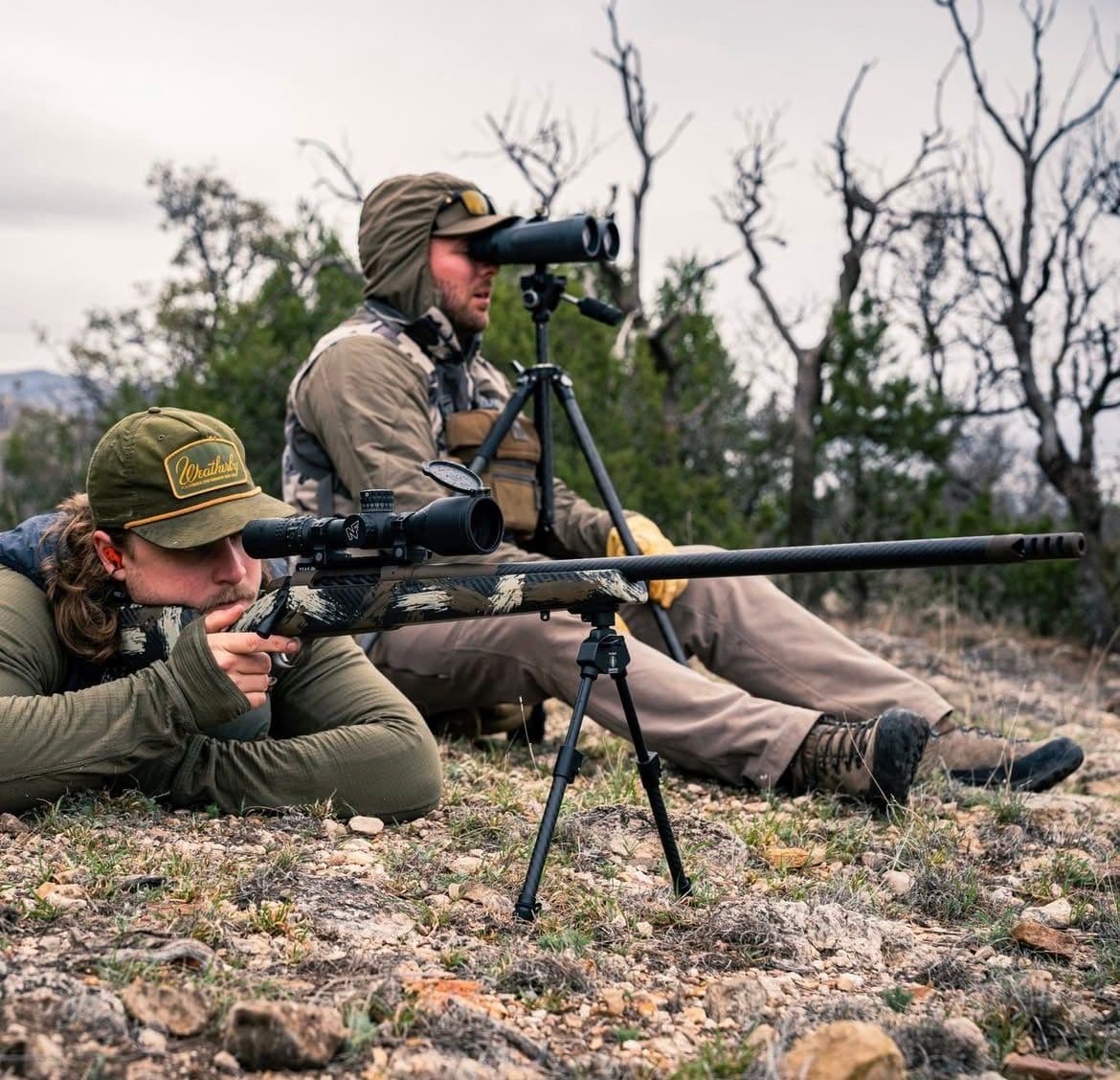
A quality binocular harness becomes essential. So does a comfortable tripod setup. Spotting scopes may seem excessive until you spend a day trying to evaluate animals from a mile away.
Pronghorn hunting introduces another challenge: exposure.
Unlike timbered environments, open-country hunts offer little protection from wind, sun, and weather. Lightweight sun protection, hydration systems, and breathable clothing often become more valuable than heavy insulation.
Many hunters discover that successful antelope hunting involves far more crawling than walking. Knee pads, lightweight packs, and streamlined gear setups can make stalks significantly more comfortable.
The same principles apply to mule deer hunting, especially in broken terrain where long hours of glassing are often followed by aggressive stalks.
Mobility matters.
Every unnecessary pound eventually feels heavier than it did at the truck.
Elk Hunting Punishes Weak Gear
There may be no better gear test than an elk hunt.
Elk country exposes weaknesses quickly.
Cheap boots become painful. Poor packs become miserable. Inadequate layering systems become dangerous.
Many hunters focus heavily on locating elk, calling strategies, and shot opportunities. Those things matter, but the physical realities of elk hunting often determine whether opportunities can actually be capitalized on.
A bull elk can easily produce hundreds of pounds of boned-out meat. Packing that animal out requires serious preparation.
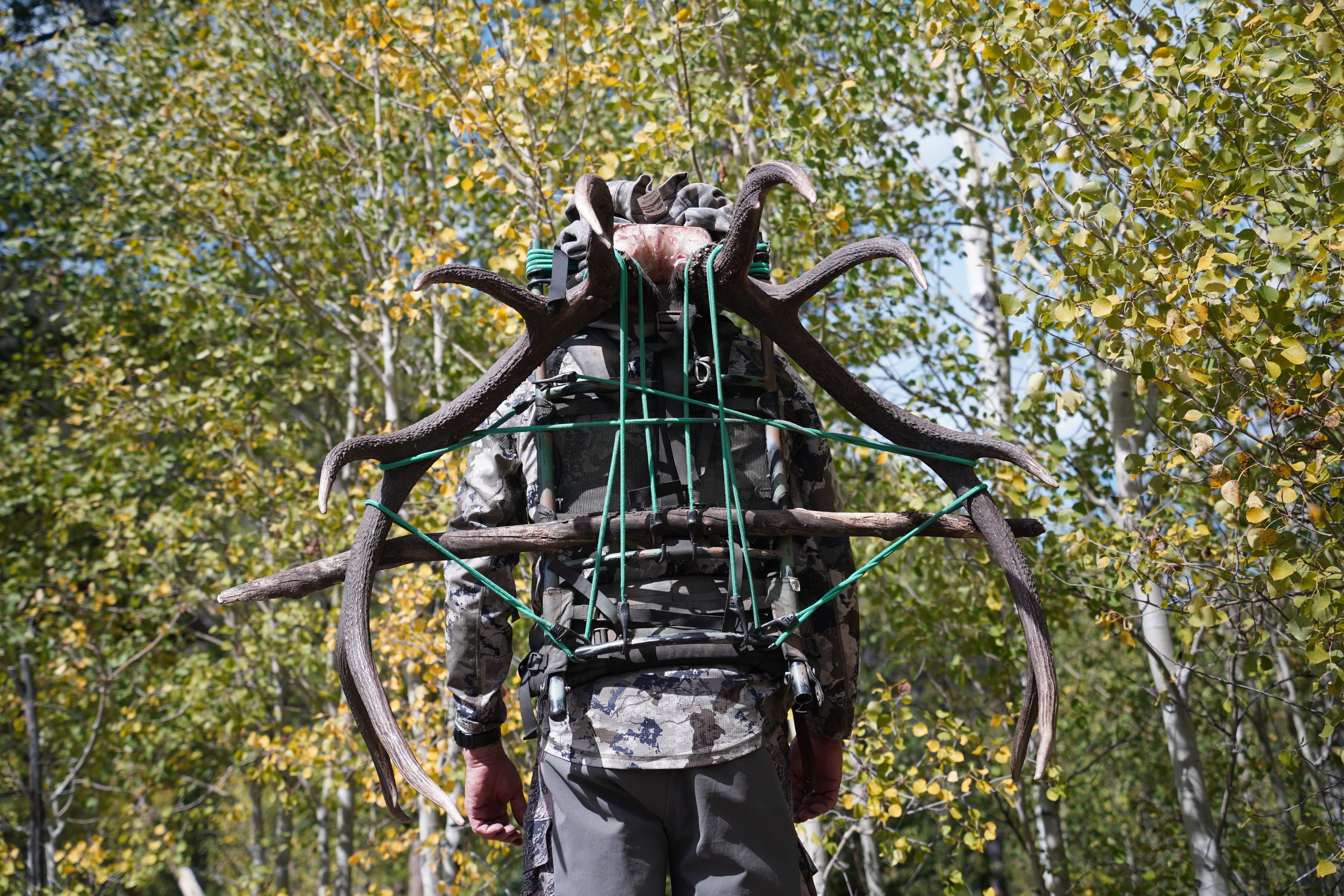
That's why quality packs matter so much in elk country.
The best pack is rarely the lightest or most affordable option. It's the one capable of carrying heavy loads comfortably when success finally arrives.
Hydration also becomes a major factor. Mountain environments demand energy, and dehydration quietly erodes performance throughout the day. Hunters often underestimate how much water they need until they're miles from a refill source.
Layering systems become equally important.
An elk hunter may leave camp in freezing temperatures, climb aggressively for hours, and finish the day sitting on a windy ridge. Clothing must adapt to constant movement and changing conditions.
Many hunters also carry emergency gear they might skip elsewhere.
A lightweight shelter. Fire-starting supplies. Additional food. Communication devices.
In elk country, self-reliance matters.
The farther you travel from roads and trailheads, the more important those items become.
Bear Hunting Requires Thinking Beyond the Shot
Black bear hunting often presents a unique combination of challenges.
The terrain can be thick. Visibility can be limited. Weather conditions often change quickly. Recovery situations can become complicated.
As a result, successful bear hunters tend to focus heavily on preparation.
Optics remain important, especially when glassing large clear-cuts, burns, or mountain slopes. But once a bear is located, attention often shifts toward wind direction, approach routes, and recovery logistics.
Bear hides and meat require proper care after harvest.
That means carrying sufficient game bags, gloves, and processing equipment. Warm weather can create additional urgency, making efficient meat care even more important.
Depending on local regulations and personal preference, some hunters also choose to carry additional defensive tools in bear country.
Regardless of equipment choices, preparation remains the key theme.
Bear hunting rewards hunters who think several steps ahead.
How Property Type Changes Your Gear List
This is where a lot of hunters make expensive mistakes. They build one gear list, use it for every hunt, and then wonder why half of what they packed never leaves the truck.
The property itself should influence almost every decision you make. A whitetail hunt on an agricultural field edge is usually a game of access, patience, and staying comfortable through long sits. That hunter may care more about quiet outerwear, a safety harness, a well-organized pack, and a clean route to the stand than shaving every ounce from a mobile setup.
A creek-bottom property changes the equation. Wet ground, shifting thermals, thick cover, and short shot windows make waterproof boots, wind-checking tools, and quiet layers more important. In timber, visibility drops and navigation matters more. A hunter may only be a few hundred yards from the truck, but it is easy to get turned around in the dark when every ridge, trail, and drainage starts to look the same.
Open country asks for a different kit altogether. On prairie and foothill properties, optics, sun protection, hydration, and shooting support often matter more than extra insulation or heavy stand gear. You may spend more time glassing than walking, but when it is time to move, you want a pack that rides well and does not fight you during a stalk.
That is why choosing the property before finalizing your gear list matters. Terrain, access, elevation, cover type, and expected hunting style should all shape what goes in your pack. Infinite Outdoors gives hunters the ability to book private-land hunts by species, location, and available dates, which means you can study the ground ahead of time and build your gear list around the hunt you are actually going on, not the one you imagined in your garage.
What Most Hunters Should Leave at Home
Most hunters learn to pack lighter the hard way. They carry too much for a few seasons, suffer through heavy packs and cluttered pockets, and eventually realize that more gear does not always mean more preparedness.
The biggest problem with overpacking is not just the weight. It is the distraction. A pack stuffed with extra knives, redundant calls, backup layers, and just-in-case gadgets becomes harder to organize and slower to use. When a deer steps out, a bull answers, or a stalk finally comes together, you do not want to dig through three pockets to find the one tool you actually need.
Extra clothing is one of the most common offenders. Hunters often pack for the coldest possible moment of the day, then carry too much bulk once temperatures rise. A better approach is to build a flexible layering system that handles changing conditions without turning your pack into a closet.
The same goes for calls and accessories. A whitetail hunter does not need every grunt tube, bleat can, and rattling setup on every sit. An elk hunter does not need to sound like an entire herd every time he leaves the truck. Bring what matches the hunt, the season phase, and your actual plan.
A good rule is simple: every item in your pack should have a job. If you cannot explain when, where, and why you will use it, there is a good chance it can stay home. The goal is not to pack as little as possible. The goal is to carry the right gear, stay mobile, and keep your attention on the hunt instead of the mess in your pack.
Complete Fall Big Game Hunting Gear Checklist
Essentials
- License and tags
- Weapon and ammunition or arrows
- Binoculars
- Rangefinder
- Hunting pack
- Navigation tools
- Headlamp
- First-aid kit
- Water and filtration
- Food and snacks
- Knife
- Game bags
- Gloves
- Fire starter
- Emergency blanket
Clothing
- Base layers
- Mid layers
- Insulating layer
- Rain gear
- Hat
- Gloves
- Appropriate boots
Whitetail Gear
- Treestand or saddle
- Safety harness
- Drag rope
- Calls
- Quiet outerwear
Mule Deer and Pronghorn Gear
- Tripod
- Spotting scope
- Knee pads
- Sun protection
Elk Gear
- Load-hauling pack
- Trekking poles
- Additional game bags
- Emergency shelter
Bear Gear
- Meat care supplies
- Rubber gloves
- Weather protection
- Additional recovery equipment
Final Thoughts
The best big game hunting gear list isn't the longest one.
It's the most intentional.
Every successful hunt begins long before opening day. It starts with understanding the property, studying the terrain, preparing for conditions, and bringing gear that solves real problems instead of adding unnecessary weight.
Before you start packing, choose the property you'll be hunting. Terrain, access, elevation, and species all influence what belongs in your pack. Infinite Outdoors makes it easy to book private-land hunts by species, location, and available dates, so you can build your gear list around the hunt you're actually planning instead of guessing.