7mm‑08 vs 6.5 Creedmoor: Which Is the Better All‑Around Big Game Cartridge for North America?


Justin Hunold
12/12/2025
There was a time not long ago when the gun rack at the lodge was dominated by a handful of “traditional” cartridges. Hunters chased whitetails and mule deer with .30‑caliber stalwarts. Elk tags were nailed to magnum rifles, and long ranges were whispered about but seldom reached. Today, though, efficient, short‑action cartridges with moderate recoil have risen to prominence, offering performance that runs circles around some of those old warhorses.
At the center of that modern conversation sit two cartridges in particular: the seven‑millimeter classic 7mm‑08 Remington and the relative newcomer that took the precision world by storm, the 6.5 Creedmoor. Both have legions of defenders and, truth be told, both make excellent choices for big game across North America. But while the internet might reduce this to a “which is better?” shouting match, the more seasoned hunter knows it depends on the animal you’re hunting, the terrain you cover, and what you personally value in a rifle and cartridge.
In this piece, we’ll walk through their histories, what the ballistics actually look like in the field, how they handle, and where each really shines.
Looking for private hunting land to put your rifle to work? Browse properties on Infinite Outdoors — infiniteoutdoorsusa.com
A Bit of Background: Knowing Where They Came From Matters
The 7mm‑08 Remington isn’t some flash‑in‑the‑pan design. It’s essentially a necked‑down .308 Winchester—a tried‑and‑true case that’s been doing quiet, efficient work for decades. Remington introduced it to give hunters a seven‑millimeter option with mild recoil, flat shooting, and enough punch to take everything from whitetails to elk. Traditionalists quickly took to it, and it earned a reputation as a sleeper round that hunters could depend on without fuss.
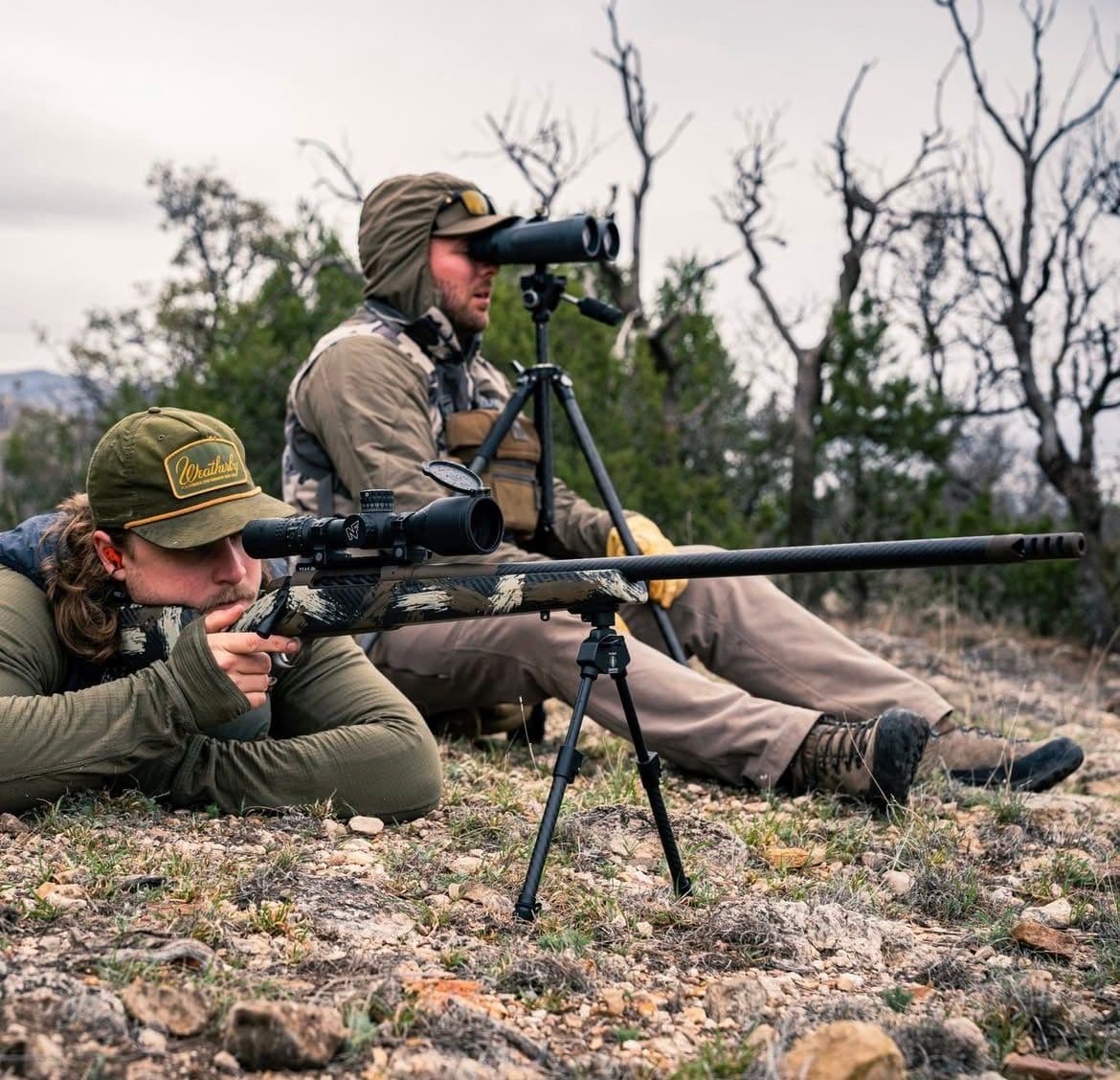
The 6.5 Creedmoor on the other hand was born in the precision shooting world. Hornady designed it with target shooters in mind: a cartridge that would fit in a short action, push long, sleek bullets at competitive velocities, and deliver tight groups with minimal recoil. It didn’t take long for hunters to realize those same traits made it a fine big game cartridge: great ballistic coefficients, less wind drift, and a recoil impulse that encourages practice and confidence.
Despite different pedigrees, both cartridges share what many of us have come to appreciate: short actions that are efficient, rifles that are plentiful, and recoil that most hunters can manage without losing sleep.
Ballistics: Numbers on Paper vs Reality in the Brush
Dig into the numbers and you see both cartridges sit in similar neighborhoods. The 7mm‑08 typically pushes bullets in the 120‑ to 150‑grain range, with 140s and 150s being particularly popular for hunting. The 6.5 Creedmoor leans slightly lighter, most often in the 129‑ to 143‑grain range.
Where they start to diverge is in how those bullets behave downrange. The Creemoor’s high ballistic coefficient bullets keep velocity on target a little better and resist wind drift more effectively at extended ranges. Out past 400 yards, that advantage becomes noticeable. But out to 300 yards—the real bread‑and‑butter range for the vast majority of real hunting shots—both cartridges flat perform. The 7mm‑08 tends to deliver a bit more energy on impact with comparable bullet weights, and that translates to a touch more “zing” where it counts on larger animals inside sensible hunting distances.
Any honest comparison has to stress this: at everyday hunting ranges, it’s a wash. The Creemoor flirts with a flatter trajectory and wind resistance; the 7mm‑08 brings slightly more punch for those who value that in big game scenarios.
Recoil, Rifles, and Shootability
One of the real reasons these cartridges are so popular is how they handle. Compared to old‑school magnums, both the 7mm‑08 and 6.5 Creedmoor are downright pleasant to shoot. If you’ve ever winced at a .30‑06 one morning and felt it all day, you understand why this matters.
The 6.5 Creedmoor generally nudges ahead here with the softest recoil of the two. That translates to easier shot‑making, better follow‑through, and less flinching—especially for smaller‑framed shooters or anyone who wants to practice a lot. You can spend hours behind a Creedmoor without feeling beat up, and that’s practice time you’ll hear from your hunting buddies later.
The 7mm‑08 isn’t harsh by any stretch; it’s just a tad more energetic out of the gate. In a well‑built rifle with decent recoil padding, most hunters won’t find it objectionable—but they will notice that it’s not as glass‑smooth as the Creedmoor.
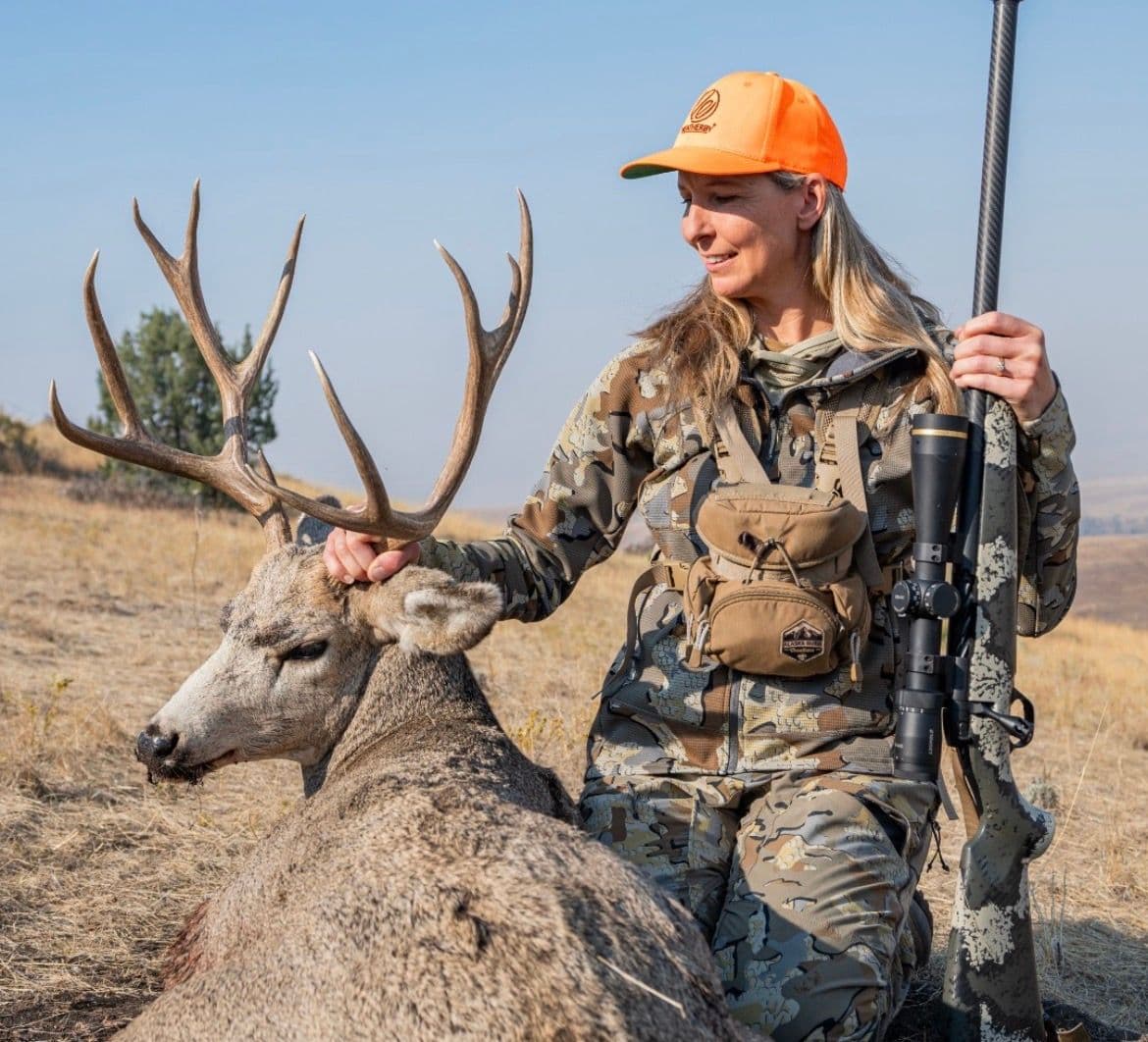
On the rifle selection front, the 6.5 Creedmoor has enjoyed an explosion of factory offerings. Lightweight mountain rifles, precision chassis setups, budget hunting rigs—you name it, there’s one in 6.5. Ammunition follows that trend with a wide variety of loads ranging from budget practice fodder to premium hunting bullets.
The 7mm‑08 tends to live more in classic hunting rifles. You see fewer precision chassis options and less match‑grade ammo, but the rifles are rugged, ergonomic, and time‑tested. The ammo selection is solid enough, just not as universal as the Creedmoor’s.
On Game: How They Perform Where It Really Matters
When it comes to deer, antelope, and similar‑sized big game, both cartridges shine. The 6.5 Creedmoor’s bullets love to penetrate with controlled expansion, and its gentler recoil helps you hold steady for precise shot placement. The 7mm‑08’s bigger bullet diameter and slightly heavier projectiles offer confidence in quartering shots and mix‑terrain hunts where angles and quick decisions are part of the day.
For elk and larger critters like moose, the 7mm‑08 begins to reveal a bit more advantage. The heavier bullets and larger frontal area give hunters a bit of extra margin inside 300 yards—a range where most ethical elk shots fall. The 6.5 Creedmoor is capable here too, but it demands premium bullets and rock‑solid shot placement. On broadside shots at moderate range, it does its job well. On tougher angles or tighter quarters, that extra authority from the 7mm‑08 can be reassuring.
Black bears and other rugged animals follow a similar logic. A stout 6.5 Creedmoor bullet will get the job done in experienced hands, but the 7mm‑08’s extra energy and diameter provide a buffer when things don’t go perfectly.
Now that you've picked your cartridge — find the land to put it to work. Infinite Outdoors connects hunters with private hunting properties across the West. Browse available properties and book your next hunt at infiniteoutdoorsusa.com
Real‑World Considerations: Ammo, Cost, and Bullets
Out on the shelf, the Creedmoor’s ubiquity is undeniable. Whether you’re grabbing a handful of practice rounds or premium bonded bullets for a hunt, chances are good you’ll find Creedmoor options at big‑box stores and local outfitters alike. That’s a big deal when you’re prepping for a fall trip and don’t want to chase shelves.
The 7mm‑08 isn’t rare by any means, but it’s more concentrated in hunting shops and seasonal stock. Bullet choices skew classic hunting designs—bonded cores, monolithic copper, and time‑proven construction—while the Creedmoor market also includes a deep bench of high‑BC target hybrids born of its precision roots.
For handloaders, both cartridges offer plenty of flexibility. The 7mm‑08 can be tuned across a broad range of bullet weights, and the Creedmoor loves its high‑BC projectiles if you’re chasing every bit of long‑range performance you can coax out of a case.
So, Which One Should You Choose?
If your hunting calendar includes a mix of whitetails, mule deer, pronghorn—and you’re saved a tag or two for elk—the 7mm‑08 is hard to beat as a one‑rifle choice. It gives you authority and versatility across a broad spectrum without wearing you out at the range.
If your priorities lean toward soft recoil, a massive selection of rifles and ammo, and the ability to shoot long and often—whether for practice or during a hunt—then the 6.5 Creedmoor is a compelling choice. It’s especially well‑suited for deer‑centric seasons, youth shooters, and hunters who enjoy dialing in loads and testing their skills at longer distances.
At the end of the day, shot placement and bullet selection matter far more than the decimal point differences in ballistic charts. A rifle that fits you, coupled with clean triggers and the confidence you gain from practice, will always outperform hype. Pick the cartridge that matches how and where you hunt, and you’ll have a partner in the field that’s more than capable—the rest is up to you.
Your cartridge is dialed in. Now it's time to find the right land. Whether you're chasing elk in Colorado or whitetails in the Midwest, Infinite Outdoors gives you access to thousands of acres of private hunting land — without the door-knocking. Join free at infiniteoutdoorsusa.com