Recreation That Pays It Forward: Our New Partnership With Western Landowners Alliance

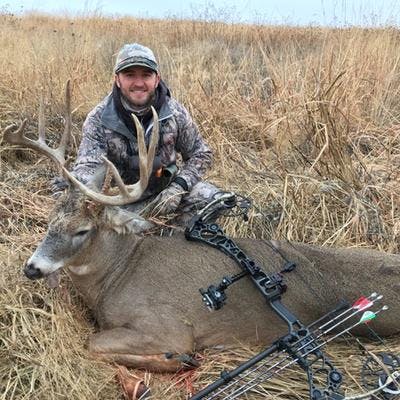
Michael Maroney
08/05/2026
I've spent enough time on Western ranches to know that the difference between one that stays a ranch and one that gets sold off is usually a handful of good decisions made in a bad year. This partnership is one of those decisions — made easier. — Michael
Own land in Colorado, Wyoming, Montana, or anywhere across the West? See how Infinite Outdoors handles bookings, guests, and access — all on your terms — at infiniteoutdoorsusa.com
Why This Partnership Matters
Working ranches carry more of the West than most people realize. They hold the water, the winter range, the migration corridors, and the open country that makes hunting and fishing here what it is. But keeping a ranch working — actually working, not subdivided into 40-acre lots — has never been harder. Input costs are up, cattle margins swing hard, and a family operation can hit a bad year that forces a decision no one wants to make.
This is the problem the Western Landowners Alliance (WLA) has spent years working on. Based in Denver, WLA is a nonprofit built by and for the people who own and steward large working lands across the West. Their focus is straightforward: keep those lands intact, ecologically healthy, and economically viable.
Infinite Outdoors was built by landowners too. Our co-founder Sam Seeton put it plainly when the partnership was announced: "We built Infinite to solve issues we dealt with ourselves as landowners." That shared origin is what makes this partnership fit — both organizations exist because working land in the West needs more good options, not fewer.
What the Partnership Actually Includes
The core commitment is financial and specific: Infinite Outdoors will donate 5% of booking fees from WLA-referred properties to WLA's conservation work. Every hunt, every fishing trip, every guest that books on one of those properties directly funds habitat and stewardship efforts across the region.
Beyond the donation, the partnership includes:
- Educational webinars for landowners considering recreation as an income stream
- Case studies from ranches already running managed recreation successfully
- Landowner resources on habitat management, guest logistics, and access considerations
- Joint outreach on the role of well-managed recreation in Western conservation
The goal isn't just to add ranches to a booking platform. It's to help landowners think through whether recreation fits their operation, and to give them the tools to run it well if it does.
How Infinite Outdoors Works for Landowners
The friction most landowners hit with recreational access isn't the idea — it's the operational load. Answering emails, coordinating dates, collecting payments, verifying guests, handling gate codes and property rules, following up when something goes wrong. It's a second job on top of running the ranch.
That's the part IO takes on. The platform handles:
- Bookings and payments — guests book directly through the app, no back-and-forth
- Scheduling — the landowner sets availability windows, IO enforces them
- Guest communication — property rules, check-in details, expectations
- Access logistics — coordinated arrival, verified members, clear boundaries
What IO doesn't do is take control. Landowners decide when their property is open, who can be on it, what activities are allowed, and what the pricing looks like. Every property listed on IO is also vetted by our staff biologists to confirm the habitat is healthy and the fish or game populations can support the activity — a step that protects both the resource and the landowner's reputation.
For hunters and anglers, every trip you book on a WLA-referred property is a small vote for keeping working lands working. Browse biologist-certified private properties across the West at infiniteoutdoorsusa.com
A Rancher's Perspective: Yoke 7 Ranch
One of the ranches already running this model is Yoke 7 Ranch in Wyoming, owned and operated by Bret Wernsman. Bret has used the IO platform to offer managed hunting and fishing on his property without adding operational drag to the ranch's core business. His description of the results: "flawless."
That word matters because ranchers don't hand it out lightly. Most operations that add a new revenue stream find out the hard way that the "easy money" comes with hidden costs — extra hours, unhappy neighbors, or a resource pushed too hard. What the Yoke 7 experience shows is that when the platform actually handles the operational load and the property is managed for the long haul, recreation becomes what it should be: a complementary income stream, not another problem.
Why This Should Matter to IO Members
If you're a hunter or angler who books through Infinite Outdoors, the practical impact of this partnership is real. Every dollar of booking fee revenue on a WLA-referred property now does two jobs: it pays the landowner (which keeps the ranch working) and it funds WLA's conservation work (which keeps the broader landscape working).
That's the case for private land access that public-land-only hunters sometimes miss. Booking a hunt on a well-managed private property isn't taking something away from public land. It's helping fund the model that keeps large blocks of Western landscape from being subdivided in the first place. Every ranch that stays a ranch is a ranch that isn't a subdivision — and that's habitat, water, and open country preserved by design rather than by hope.
Lesli Allison, WLA's CEO, framed it well in the announcement: "Land is habitat for both people and wildlife. Recreation has long been part of many western operations." The partnership is built on that idea — that hunting, fishing, and stewardship aren't three separate things. They're the same thing, viewed from different angles.
The Bigger Picture: Recreation as a Stewardship Tool
Every state IO operates in — Colorado, Wyoming, Montana, Kansas, Oklahoma, Nebraska, Utah — has the same underlying tension. Public land is under more pressure every year. Private working land is under financial pressure from every direction. The animals, water, and habitat don't care which category the ground falls into; they move across property lines like the lines don't exist.
What partnerships like this one do is close the loop. Ranchers who host well-managed recreation earn income that helps them keep the ranch. Hunters and anglers who book on those ranches get access to lower-pressure ground with healthier game and fish populations. Conservation groups get funded through the transactions. And the working land stays working.
It's not a magic solution to Western land economics. But it's a model that, done right, works for everyone in the chain — including the wildlife.
What Comes Next
WLA and Infinite Outdoors will be rolling out the first joint webinars and landowner resources over the coming months. If you own land in the West and want to know what recreational access on IO could look like for your operation, the partnership is designed to make that conversation easier — with both financial upside and stewardship built in.
If you're a member, the change is quieter but no less real. When you book a hunt or fishing trip through IO going forward, you may be booking on a property where 5% of that fee flows directly into keeping working lands in the West working.
Long live adventure — and the ranches that make it possible.
Every hunt or fishing trip you book through Infinite Outdoors puts working ranches to work — and on WLA-referred properties, it directly funds conservation across the American West. Browse 450+ biologist-certified private properties across CO, WY, MT, KS, OK, NE, and UT at infiniteoutdoorsusa.com
Frequently Asked Questions
What is the Western Landowners Alliance? The Western Landowners Alliance (WLA) is a nonprofit based in Denver, Colorado. It advocates for and supports the landowners who own and steward working ranches across the American West.
How much of my IO booking fee goes to conservation? On WLA-referred properties, Infinite Outdoors donates 5% of the booking fee to WLA's conservation work. Standard IO properties operate under existing terms.
Do landowners give up control when they list with IO? No. Landowners set availability, pricing, allowed activities, and property rules. IO handles bookings, payments, and guest logistics but does not control access decisions.
What does "biologist-certified" mean? Every property listed on Infinite Outdoors is reviewed by our staff biologists to confirm the habitat is healthy and the fish or game populations can sustainably support the offered activity.
How can I list my ranch on Infinite Outdoors? Landowners can reach the IO team directly through infiniteoutdoorsusa.com. Through the WLA partnership, landowners will also have access to joint webinars and resources to evaluate whether recreation fits their operation.