What to Wear Deer Hunting in the Fall: Layering, Boots, Camo, and Weather Gear

Justin Hunold
05/29/2026
Deer Hunting Clothing Is About Staying in the Game
Ask ten deer hunters what to wear in the fall and you'll probably get ten different answers.
Some swear by heavyweight insulated bibs. Others won't leave the truck without rubber boots. Plenty of hunters obsess over camouflage patterns, while others claim it doesn't matter at all.
For fall deer hunting, wear a moisture-wicking base layer, an insulating mid-layer, quiet outerwear, weather-appropriate boots, wool or synthetic socks, gloves, a warm hat, and camo that matches the habitat. Early-season hunters should focus on breathability and scent control, while late-season hunters need insulation, wind protection, and enough warmth to sit still for long periods.
The truth is that most clothing debates miss the point.
The best deer hunting clothes aren't necessarily the warmest, the lightest, or the most expensive. They're the clothes that allow you to stay comfortable, quiet, and focused for the entire hunt.
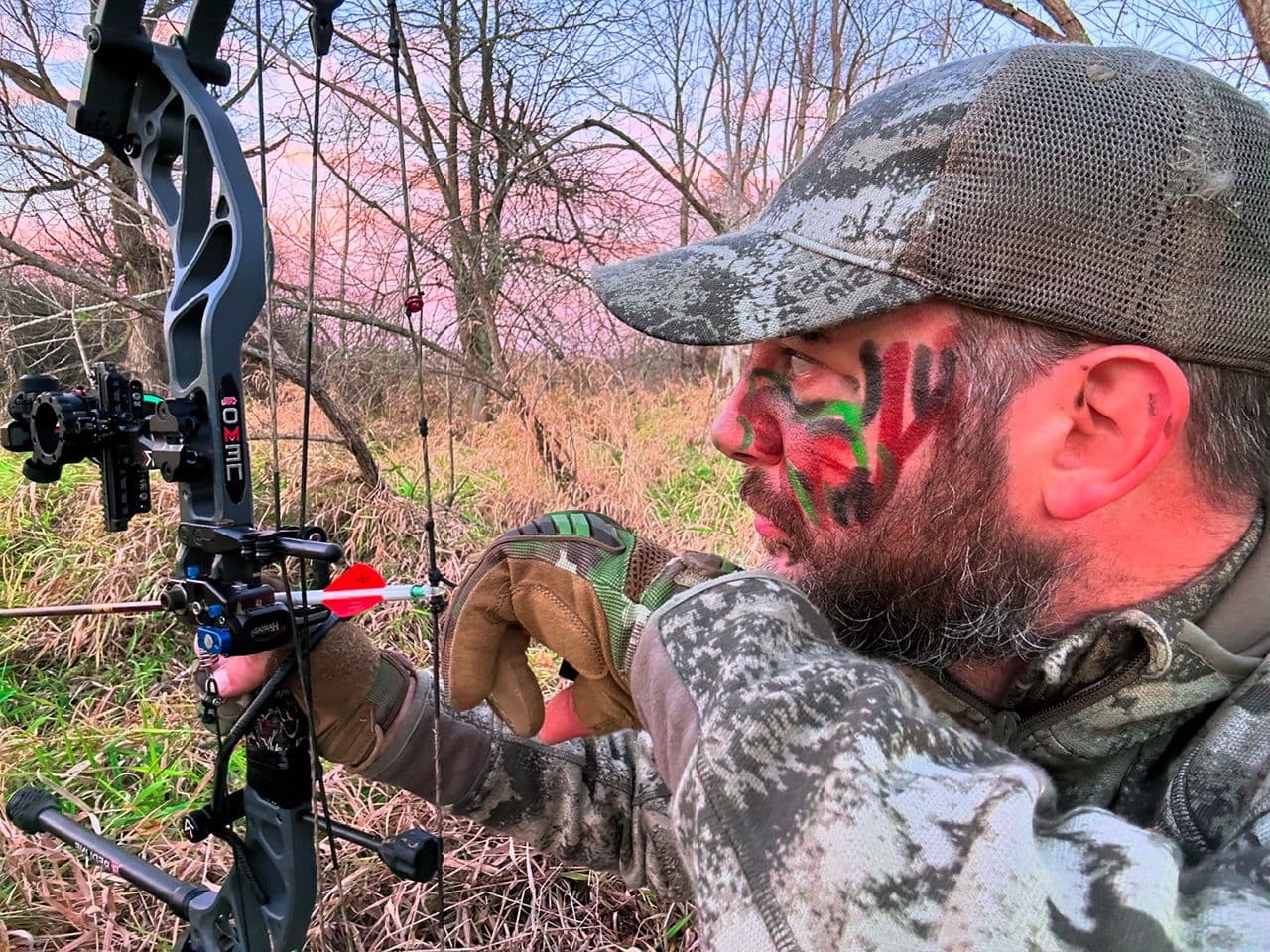
That's really what deer hunting clothing is about.
Whitetails have a way of exposing weaknesses in your system. If your boots hurt, you'll cut your sit short. If your jacket traps sweat during the walk in, you'll spend the morning getting colder by the minute. If your outerwear sounds like a candy wrapper every time you move, you'll suddenly become aware of every little adjustment you make in the stand.
The goal isn't to dress for the weather report. It's to dress for the reality of deer hunting, which often means moving through changing temperatures, sitting still for hours, and remaining comfortable enough to stay in position when conditions are at their best.
A good clothing system accomplishes all of that without making you think about it.
Try Access+ for 7 days: private-land hunting and fishing across the US. Start the trial →
The Simple Fall Deer Hunting Clothing System
Most hunters make deer clothing more complicated than it needs to be.
The reality is that a good deer hunting layering system follows the same basic formula whether you're hunting Iowa whitetails, Kansas river bottoms, or hardwood ridges in the Midwest.
Everything starts with a quality base layer.
Your base layer sits directly against your skin and has one job: manage moisture. If you sweat during the walk to your stand and that moisture stays trapped against your body, you're going to feel cold later no matter how expensive your outerwear is.
That's why merino wool and high-quality synthetic materials have become so popular among serious deer hunters. Both move moisture away from your skin and help regulate body temperature throughout the day.
This is where a system like the Element Outdoors Merino Collection fits naturally into a whitetail setup. Lightweight merino pieces work exceptionally well during September and October, while heavier-weight options provide additional insulation once temperatures start dropping later in the season.
Your mid-layer comes next.
Think of this as your insulation. Depending on the weather, that might be a lightweight hoodie, a fleece jacket, or a heavier insulated piece designed to trap warmth without adding unnecessary bulk.
Finally, your outer layer serves as protection against wind, moisture, and abrasion. For deer hunters, quiet fabrics matter. A jacket that performs perfectly in the parking lot can become incredibly frustrating once you're twenty feet up a tree and trying to draw a bow on a mature buck.
Once those three layers are covered, the rest of the system becomes fairly straightforward: quality boots, moisture-wicking socks, gloves, a hat, and a face covering when temperatures call for it.
The exact pieces may change throughout the season, but the formula rarely does.
What to Wear for Early Season Deer Hunting
Early season deer hunting clothes are often lighter than most people expect.
That's because September and early October hunts frequently involve one challenge that doesn't get enough attention: overheating.
Many hunters make the mistake of dressing for the morning temperature instead of the entire hunt. They leave the truck bundled up, sweat heavily during the walk in, and then spend the rest of the morning fighting moisture they created themselves.
A better approach is to dress slightly cool during the hike.
Lightweight base layers, breathable pants, and minimal insulation are usually enough for most early-season hunts. Once you're settled into your stand, you can always add a layer if necessary.
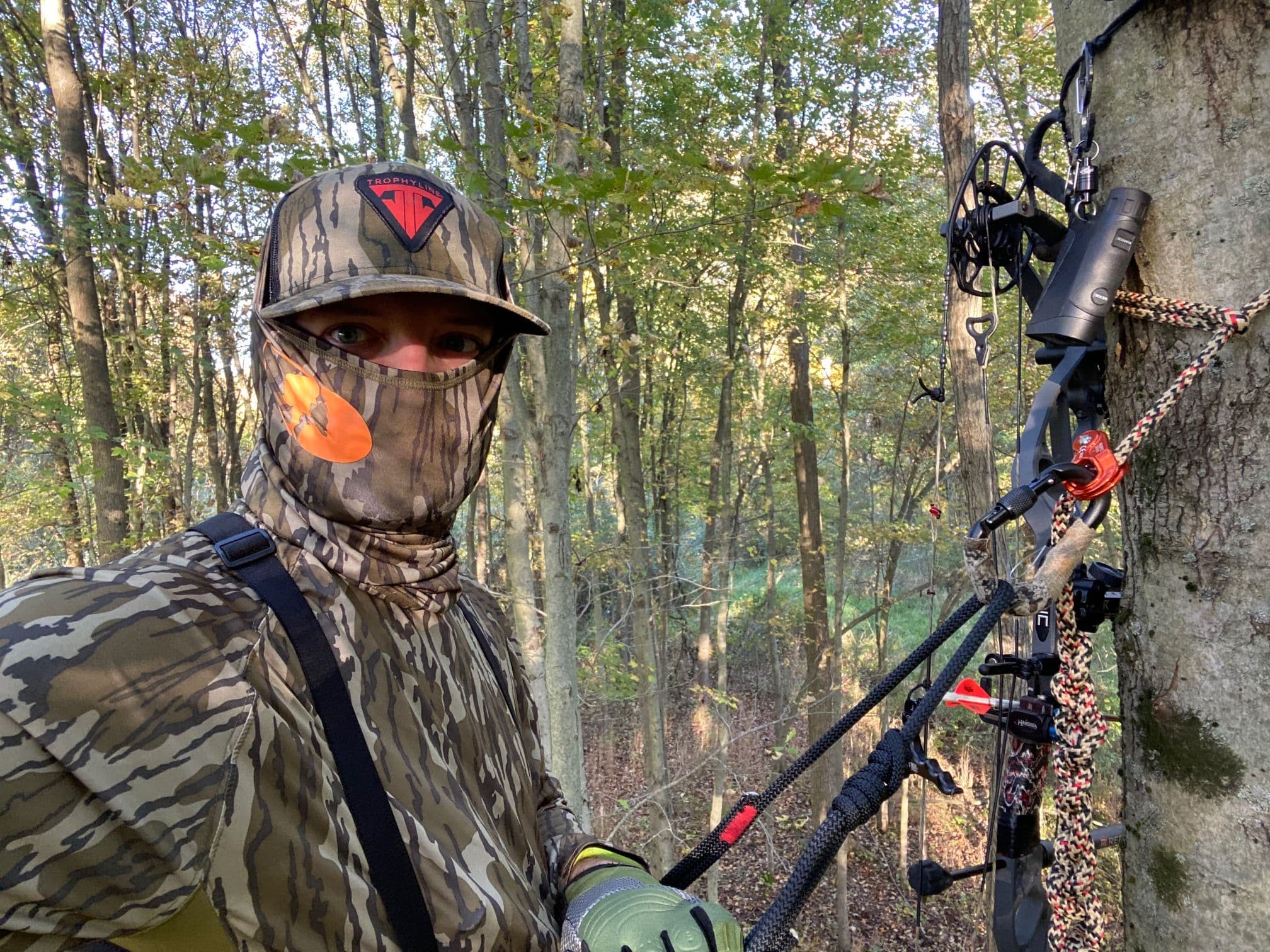
This is also where clothing designed specifically for warm-weather hunting shines. The Element Outdoors Adapt Series was built around active hunting situations where breathability and moisture management matter more than heavy insulation. For hunters spending September mornings slipping into food sources or glassing field edges, lightweight performance clothing often makes more sense than traditional cold-weather gear.
In many parts of the country, bugs are still a factor as well.
Mosquitoes, ticks, and biting flies can make a hunt miserable. Lightweight clothing that provides coverage without trapping heat helps solve that problem while keeping you comfortable.
Boot selection matters, too.
Early-season hunts rarely require heavily insulated footwear. Lightweight boots or uninsulated rubber boots are often better choices because they reduce fatigue and keep your feet from overheating.
The biggest takeaway for early-season deer hunting is simple: focus on staying cool, dry, and comfortable rather than preparing for winter conditions that haven't arrived yet.
What to Wear During the Rut
If early season is about staying cool, rut hunting is about adapting.
The rut often delivers some of the most unpredictable weather of the year. Frosty mornings can turn into mild afternoons. Rain may move in unexpectedly. Wind becomes a bigger factor, and all-day sits become much more common.
This is where your layering system earns its keep.
During the rut, many hunters spend sunrise to sunset in the same stand because deer movement can happen at any hour. That means your clothing has to remain comfortable through a wide range of conditions.
A merino base layer paired with a quality mid-layer often provides the foundation. From there, a quiet outer shell and packable rain gear help manage changing weather without forcing a trip back to the truck.
Comfort becomes increasingly important during this time of year.
The longer you can sit, the better your odds become.
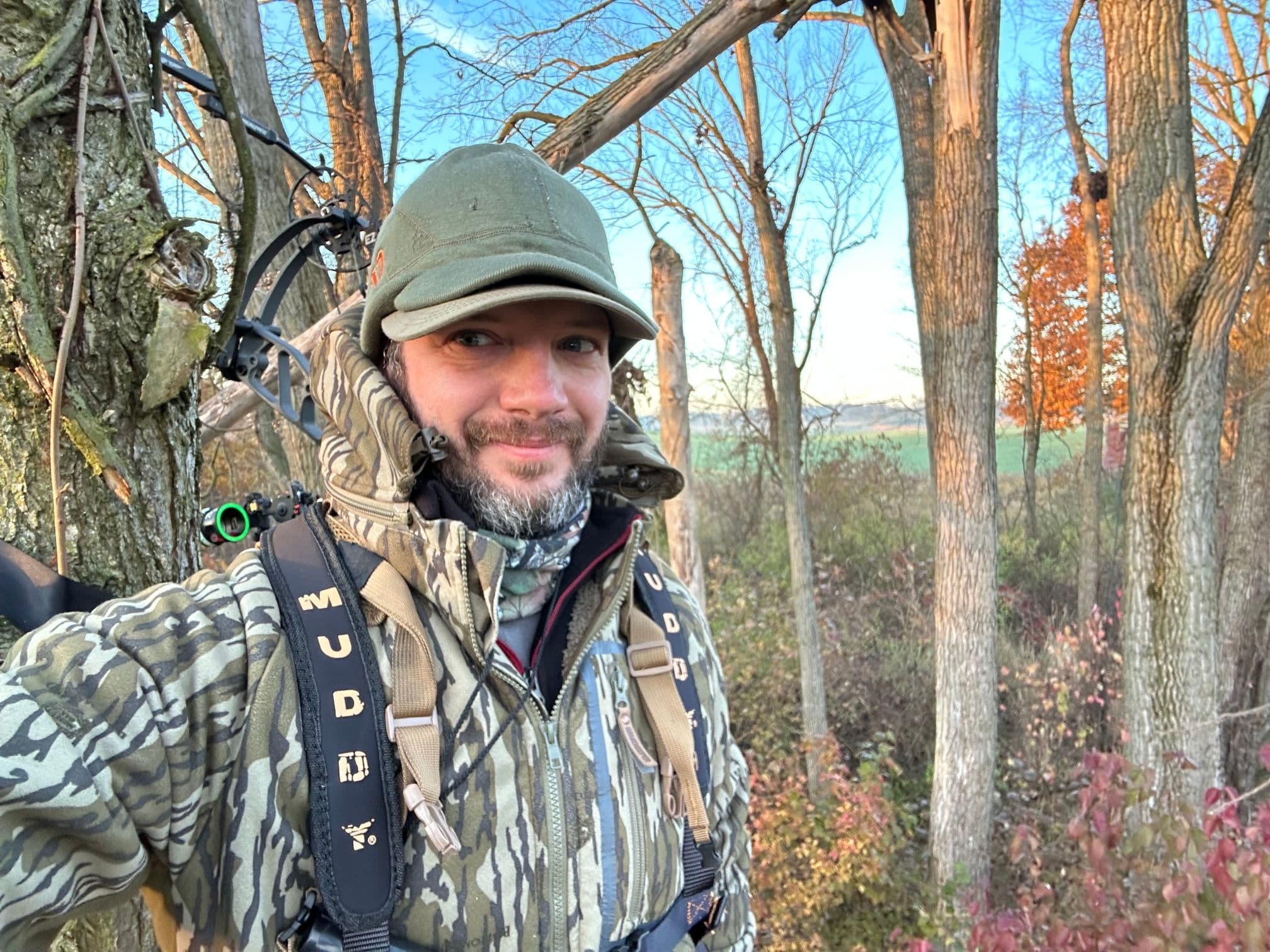
Hunters often focus on calling strategies, rut timing, and stand placement while overlooking the fact that many mature bucks are killed simply because someone stayed in position longer than everyone else.
That might sound overly simplistic, but it happens every season.
The hunters who remain comfortable enough to stay put during the slow periods are often rewarded when a mature buck finally appears.
For more insight into how deer behavior shifts throughout the season, hunters can explore Infinite Outdoors' article on deer habitat and environmental factors at:Dry Season: How Droughts Impact Big Game Hunting
Understanding deer movement patterns often influences clothing decisions just as much as weather forecasts.
What to Wear for Late Season Deer Hunting
Late season changes everything.
Food sources become more important. Deer movement becomes more predictable. Temperatures drop. Wind becomes a constant factor.
And suddenly, staying warm becomes a serious challenge.
This doesn't mean wearing every layer you own.
In fact, excessive bulk can create its own problems. Heavy clothing restricts movement, creates noise, and makes it difficult to shoot comfortably.
The goal is warmth without sacrificing mobility.
This is where heavier merino base layers become especially valuable. Many hunters rely on systems like the heavier Element Outdoors Merino offerings because they provide warmth without the bulk associated with traditional cotton or fleece-heavy setups.
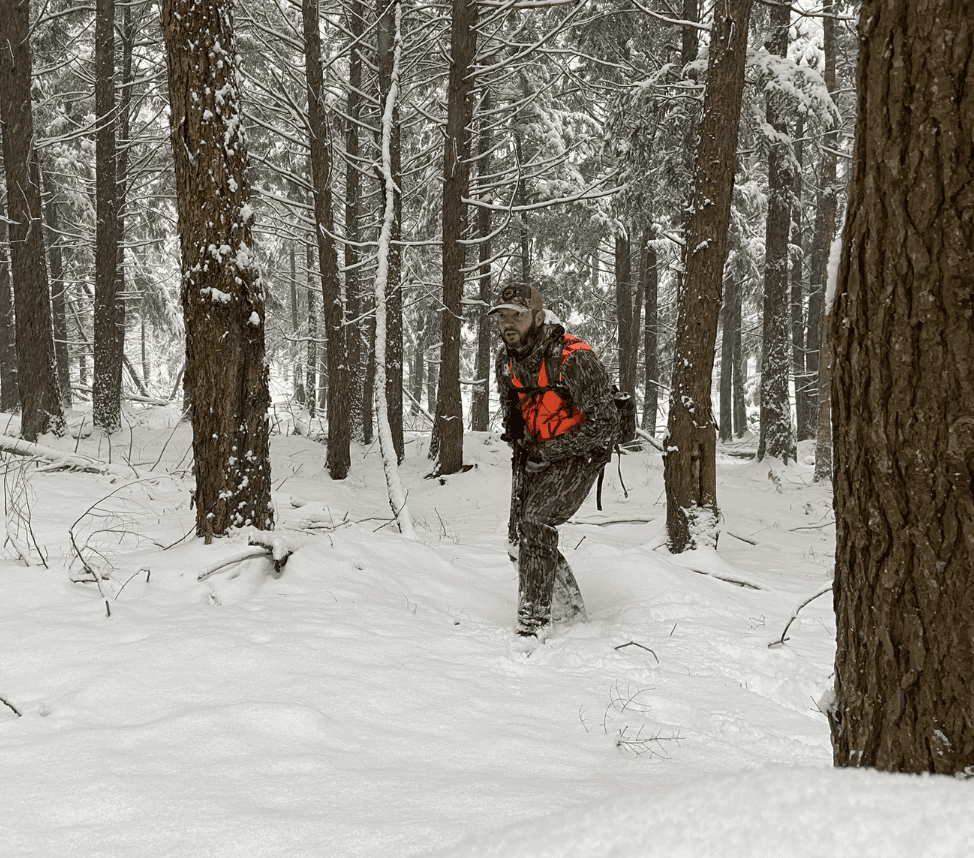
Your outer layers should focus on blocking wind while maintaining quiet performance.
Few things drain body heat faster than sitting motionless while a cold wind works its way through your clothing.
Additional late-season essentials often include hand muffs, insulated gloves, thicker wool socks, neck gaiters, and boot blankets for extended sits.
The key is building a system that allows you to remain comfortable for hours instead of simply surviving the cold.
What to Wear in a Treestand vs. a Ground Blind
The way you hunt matters almost as much as the weather.
Treestand hunters typically need more wind protection because they're elevated above the ground and exposed to moving air. Even mild winds feel significantly colder when you're twenty feet up a tree.
Ground blind hunters often have a little more flexibility.
The blind itself blocks wind and provides concealment, which allows for slightly bulkier clothing and a greater range of movement. Hunters can often add or remove layers inside the blind without worrying about every small motion being detected.
Treestand hunters don't always have that luxury.
Because of that, many experienced bowhunters place an even greater emphasis on layering efficiency and clothing organization.
If you're constantly adjusting clothing, you're creating movement. And movement is one of the easiest ways to get caught.
Whether you're hunting from a stand or a blind, the best clothing system is the one that disappears into the background and allows you to focus entirely on the hunt.
What to Wear When Hunting Private Land
One of the biggest advantages of hunting private land is predictability.
You often have a better understanding of access routes, terrain features, habitat types, and expected deer behavior before the season even begins.
That knowledge should influence your clothing choices.
Unlock new properties, hunt smarter, and find birds that haven’t been worked over.Start exploring with Infinite Outdoors and make your next move count.- Sign Up Here
A creek-bottom property with wet ground and changing thermals demands a different approach than a large agricultural field. Timbered properties often require more walking and elevation changes than flat crop-country setups. Open terrain exposes hunters to wind, while dense cover can trap humidity and body heat.
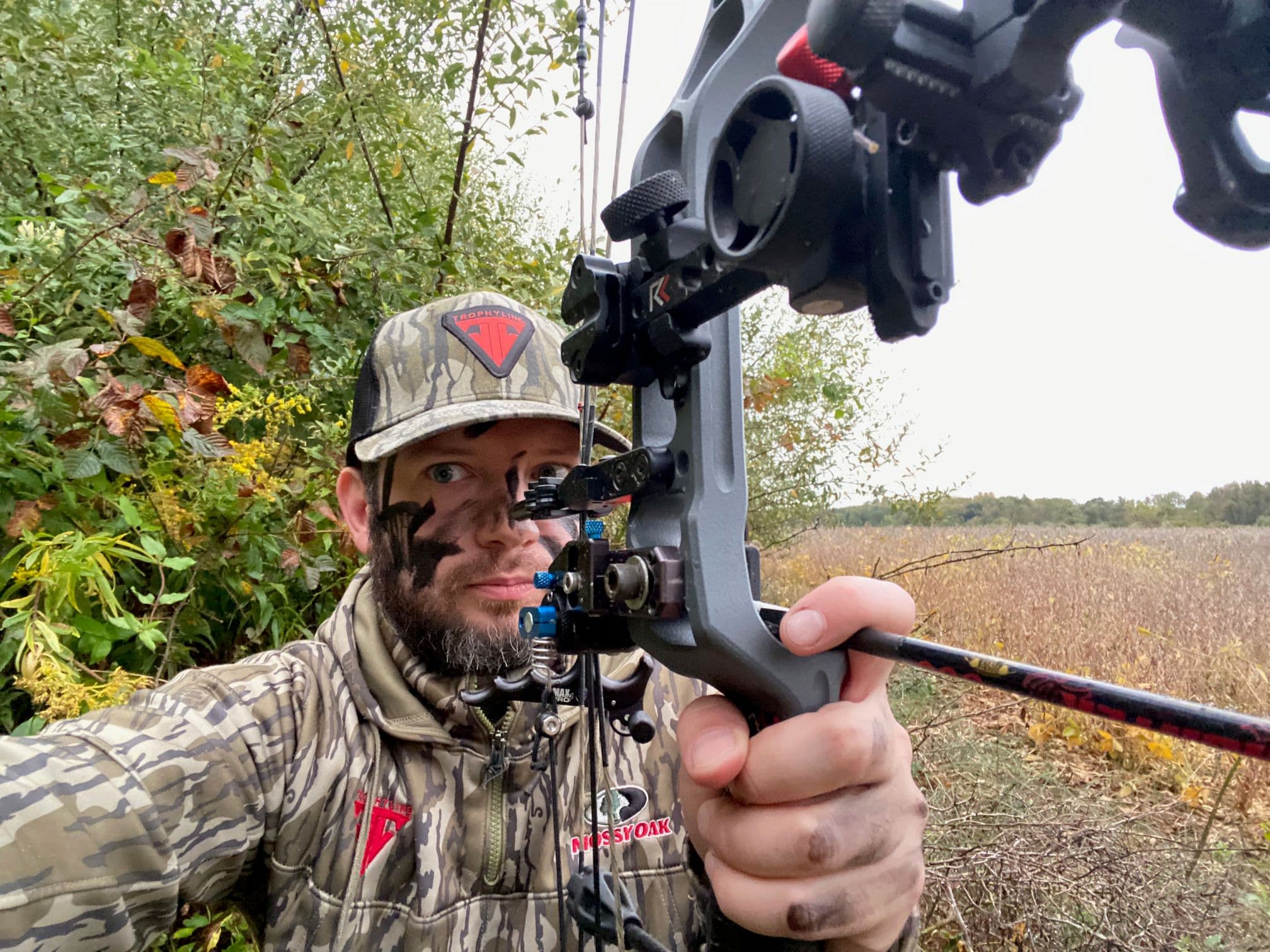
The more you understand the property, the easier it becomes to build an effective clothing system.
This is one reason many hunters use Infinite Outdoors to secure access before finalizing their gear and clothing plans. Once you know the terrain you'll be hunting, the decisions become much simpler.
If you're planning a western deer hunt, the article on hunting multiple species across overlapping habitats offers valuable insight into how terrain influences hunting strategies:A full Fall: Multi Species Hunting, Multiple Tags Multiple States
Likewise, hunters preparing for western-style deer hunts may find useful information in:Western Hunting: Best Western Hunting Cartridges
The point isn't that one clothing system works everywhere.
The point is that every property tells you something about what you'll need to wear.
The hunters who pay attention to those details usually end up more comfortable and more successful.
Common Clothing Mistakes Deer Hunters Make
Most clothing mistakes happen before the hunt even starts.
The biggest offender is overdressing for the walk in.
It feels logical to leave the truck warm, but doing so often creates a cycle of sweating and cooling that lasts all morning.
Another common mistake is relying on cotton.
Cotton absorbs moisture, dries slowly, and loses much of its insulating value when wet. It might be comfortable around camp, but it rarely belongs in a serious deer hunting layering system.
Cheap boots are another frequent problem.
Hunters spend thousands of dollars on bows, rifles, optics, and tags, then trust their entire season to footwear that leaves their feet sore after a few hours.
Finally, many bowhunters make the mistake of prioritizing warmth over mobility. Clothing that restricts movement can interfere with drawing a bow smoothly and quietly when the moment of truth arrives.
The best clothes for deer hunting are rarely the heaviest or most expensive options available.
They're the ones that fit the hunt, the conditions, and the hunter.
Fall Deer Hunting Clothing Checklist
Base Layer
- Moisture-wicking merino or synthetic top
- Moisture-wicking merino or synthetic bottoms
Mid Layer
- Fleece jacket or insulated hoodie
- Lightweight insulated vest (optional)
Outer Layer
- Quiet hunting jacket
- Quiet hunting pants
- Rain shell
Footwear
- Weather-appropriate boots
- Merino wool socks
- Extra socks for longer hunts
Accessories
- Gloves
- Warm hat
- Neck gaiter
- Face covering
- Hand muff (late season)
Early Season Additions
- Lightweight breathable clothing
- Tick protection
- Uninsulated boots
Late Season Additions
- Heavyweight base layers
- Windproof outerwear
- Boot blankets
- Additional insulation
Final Thoughts
The question isn't really what to wear deer hunting.
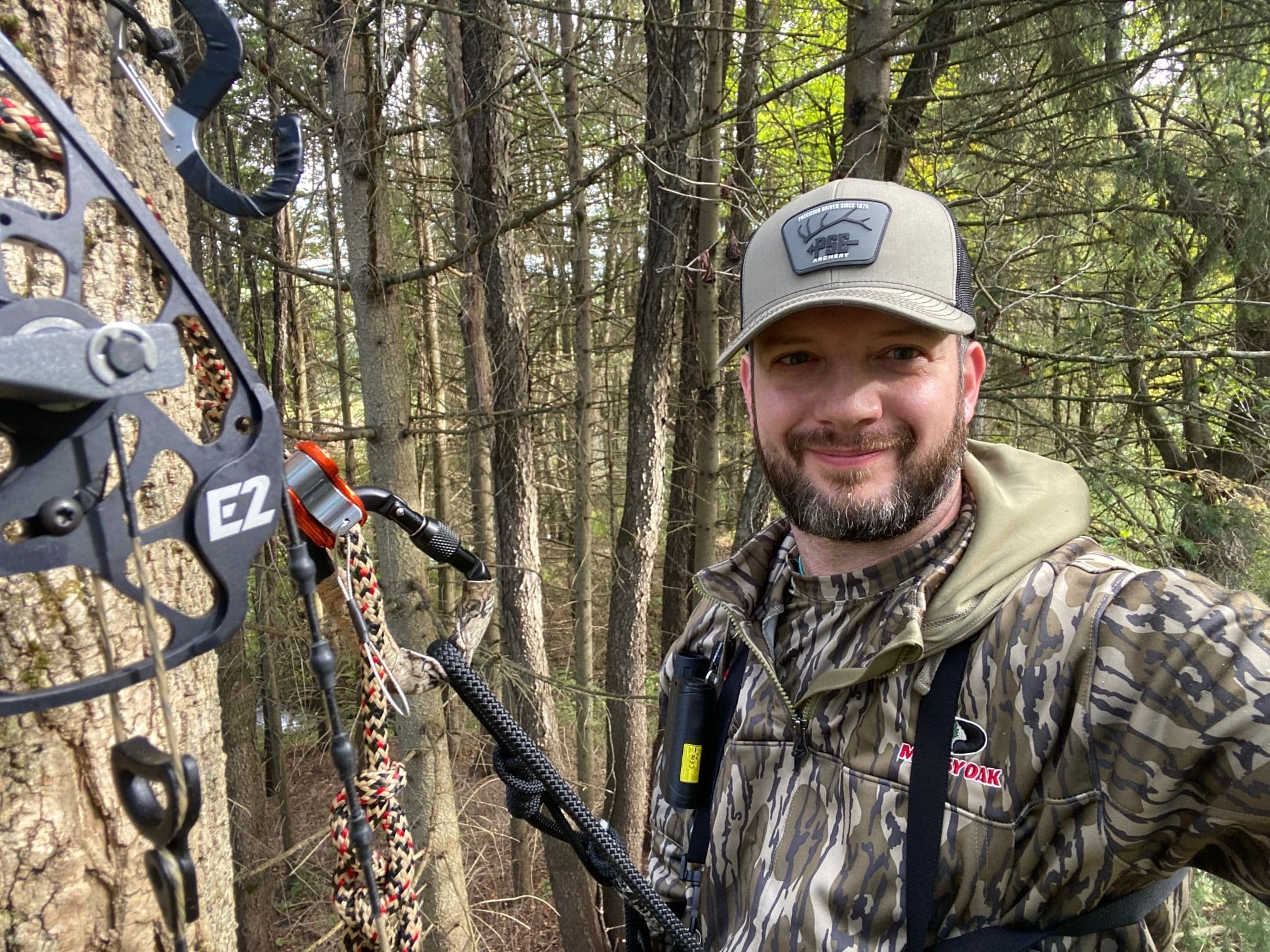
The better question is what clothing will allow you to stay comfortable enough to hunt effectively from daylight until dark.
The answer changes throughout the season. Early-season hunters need breathability and moisture management. Rut hunters need versatility. Late-season hunters need warmth without sacrificing mobility.
But the underlying goal stays the same.
Stay dry. Stay quiet. Stay comfortable.
Once you know where you're hunting, your clothing system gets much easier to build. Use Infinite Outdoors to find private-land deer hunts by region and habitat, then tailor your layering system to the weather, terrain, and style of hunt you'll actually be facing this fall.