How to Create Better Duck Hunting Habitat on Your Property


Wesley Littlefield
12/26/2025
I grew up duck hunting private land in Northeast Oklahoma before it had to be perfectly managed to attract waterfowl. All my dad and I needed was the squeak of his thermos lid. Ducks poured in as the coffee filled the cup. Today, however, attracting ducks to your property requires better management practices than those of your neighbors.
Over the decades, I’ve picked up waterfowl management strategies through trial and error, college studies (I have a degree in wildlife management), and conversations with other duck habitat experts. The following four duck habitat improvement tips are what I practice at my pond and on different properties, where I have permission to manage, to attract more waterfowl throughout the season.
Quick Note On Cost
Many waterfowl management properties require thousands, if not hundreds of thousands of dollars, to manage. This doesn’t have to be the case. You can manage a duck hunting property on a small budget if you’re willing to do a little research and do the work yourself. Always check whether you need any permits and what they are. The U.S. Army Corps of Engineers is a good place to start, as it has jurisdiction over most waterways and their watersheds.
I want to emphasize that if ducks haven’t historically been in your area, no amount of money thrown at land and water management will magically make ducks appear. Location still matters. The properties I manage are just a few miles from large impoundments where ducks frequent or are along historical flyways, allowing me to stretch my dollars further.
Come Up with A Management Plan
The best (free) thing you can do for your property is to develop a duck habitat management plan. This plan should list your goals (what do you want your property to provide the ducks? Food, shelter, or rest), keep track of your water draw and planting dates, and any ideas you might have to improve your land.
Every property is different. Even the properties I manage that are only a few miles apart in the central flyway require different plans and approaches. That’s why it’s essential to work with a habitat consultant or biologist, like the ones on the Infinite Outdoors team. It comes at little to no cost, and they can help you create the perfect plan for your property.
Water Management
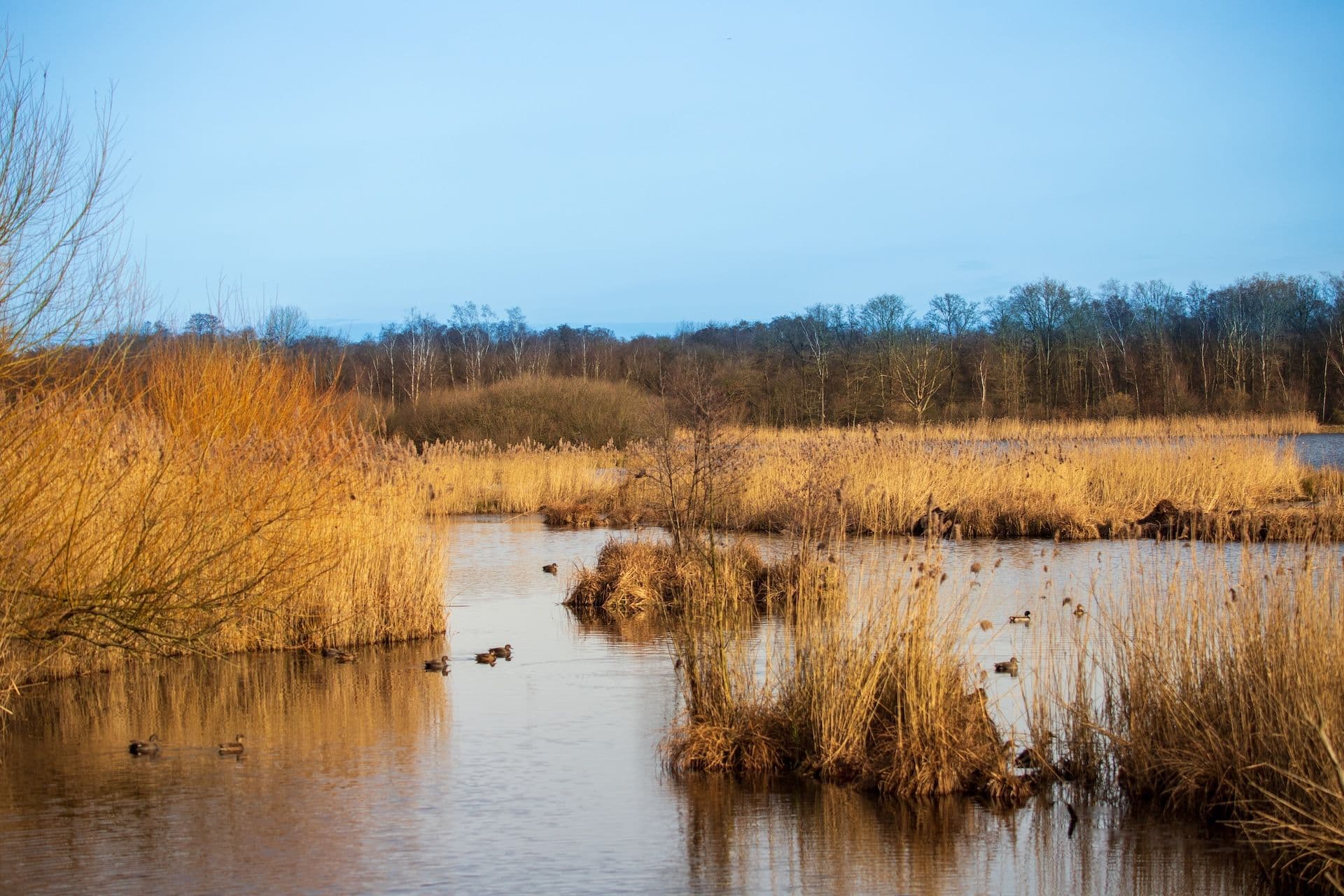
I know it’s a novel idea that waterfowl need water (sarcasm), but it’s critical to understand when to have your duck hole flooded and when to allow it to dry. The ponds that I manage hold water year-round, but the water levels naturally fluctuate, allowing vegetation (we’ll discuss this more in-depth next) to grow up. If you have pumps or build water control structures in your duck hole, you can control the water level much better than depending on the weather to flood and dry the spot.
The time to remove the water will depend on your location along the flyway; generally, mid to late spring (after the last frost). It’s critical to slowly draw the water down, to encourage the native plants that ducks love for food to come up instead of useless weeds.
You will need to add water slowly, starting in late summer or early fall. Puddle ducks prefer 8-20 inches of water for feeding and loafing. I’ve witnessed them roost in shallow and deep water. If it’s shallow, they typically want it to be covered with trees, but if it’s deep enough for them to dive to safety (20+ inches), they’ll roost on open water.
Many duck managers try to remove beavers because they stop up drainage pipes. However, beavers can help restore an area to prime duck habitat. I’ve had excellent success duck hunting in many beaver ponds, but these locations require extra work to draw down the water when needed.
Food Management
Water and food management go hand-in-hand. I prefer native vegetation for duck food because it’s less expensive (it’s likely already in your spot), the ducks have eaten it for thousands of years, and it’s accustomed to the local climate.
If you want to go the crop route, that's great. Corn, rice, oats, soybeans, clover, and alfalfa are the best. Flooded corn and rice are staples in many places across the US, and they definitely work, but they are not your only options. You can also let the native plants grow during the low-water period (summer) and flood them for the ducks to eat in the fall.
Plants that ducks love and are native to most locations in the US are duckweed, pondweed, smartweed, wild rice, milfoil, barnyard grass (various types of millet), sedges, and wild celery (for divers, especially cancasbacks).
Cover Management
One of the most critical aspects of waterfowl management that most land managers overlook is the importance of loafing areas with plenty of cover. If you want the ducks to spend a lot of time in these areas, then they need to feel and be safe.
While I’ve seen successful loafs in the wide open, most have been in flooded timber, willows, or buck brush where the ducks are protected from predators on the ground and in the sky.
I started by planting oak, hickory, and walnut saplings around my pond, but it will take years for them to mature enough to provide the necessary cover. Just know planting saplings isn’t an overnight fix. Planting larger trees will speed up the process, but it also costs more. Plants like button bush (buck brush) and cattails grow faster and provide lots of cover in marshy areas, but be careful because they can quickly take over an area.
Again, I prefer to stick with native cover vegetation because it better adapts to the climate and requires less long-term management. Yet it provides all the benefits ducks need to feel safe and to be fed at times.
Your Other Options
If you don’t have the time to manage your property for ducks, you can always hire someone to do it, but this option gets costly. Another expensive option is to lease high-quality duck habitat.
Instead of spending all that time and money, you could head over to InfiniteOutdoorsUSA.com and book a prime spot on private land.
Parting Shots: Creating Better Duck Hunting Habitat
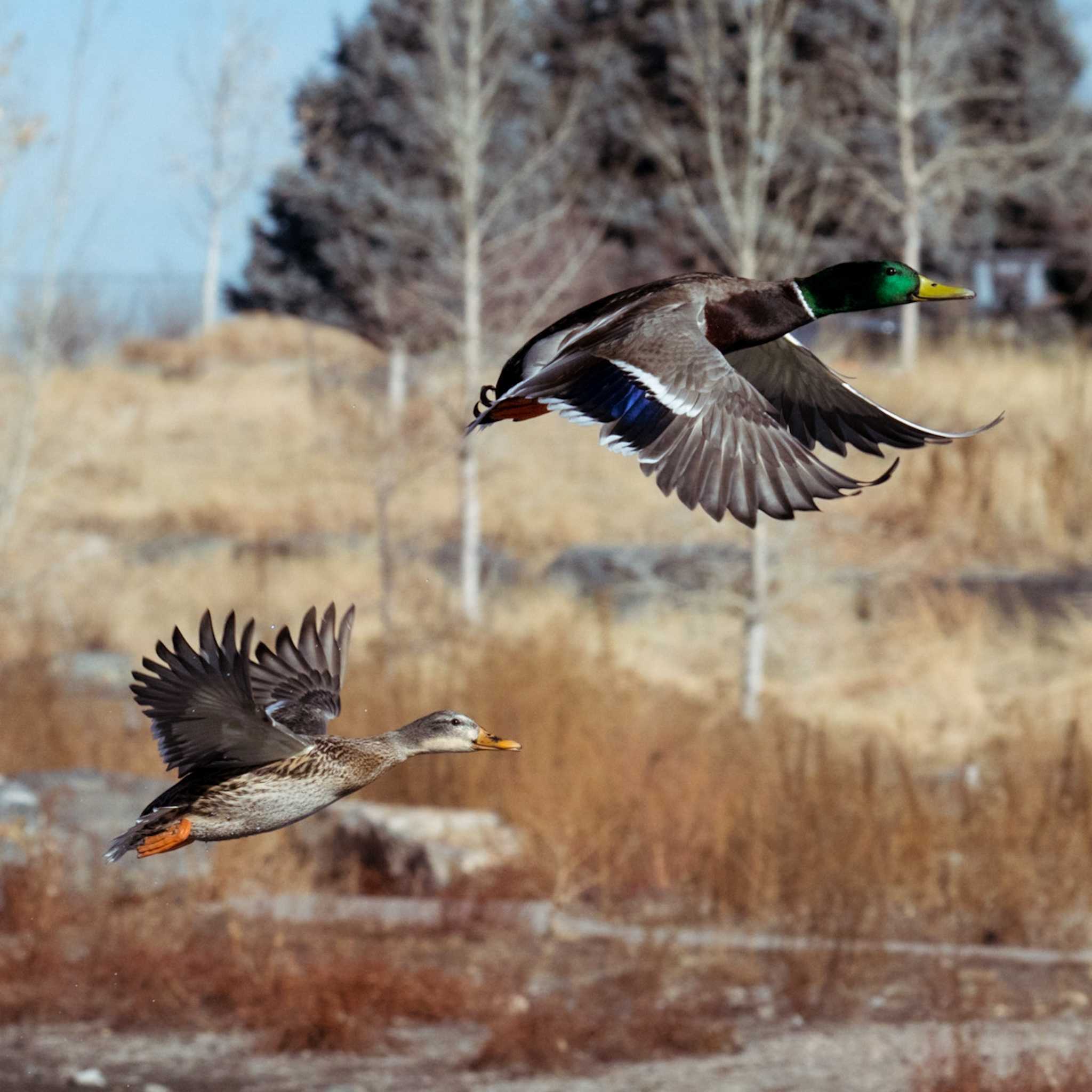
I love managing my land for ducks, but it takes a lot of time and energy on a small budget. At times, you’ll need specialized tools and equipment (tractors, dozers, discs, planters, etc.), but when the ducks start showing up, it’s a special feeling.