TSS Turkey Loads Are Getting Expensive: What It Means for 12 Gauge, 20 Gauge, and .410 Hunters


Justin Hunold
04/23/2026
For the last decade, turkey hunters have had access to something that quietly changed the entire game, and it had very little to do with calling tactics, decoy spreads, or camo patterns. The biggest shift came from what was loaded in the chamber.
Tungsten Super Shot, or TSS, didn’t just improve shotgun performance. It expanded what hunters believed was possible. Lightweight sub-gauge guns suddenly became legitimate turkey killers at distances that used to require heavy 12 gauges, and the margin for error increased in a way most hunters had never experienced.
Now that advantage is getting harder to justify.
TSS has always carried a premium price tag, but rising costs have pushed it into a category where many hunters are starting to rethink how often they shoot it, how they practice, and whether their current setup still makes sense. When each trigger pull feels expensive, it changes how you approach not just your gear, but your entire season.
Hunt private land with Access+. Start your 7-day trial for day access to private properties across the Western US. Access+. Start your 7-day trial →
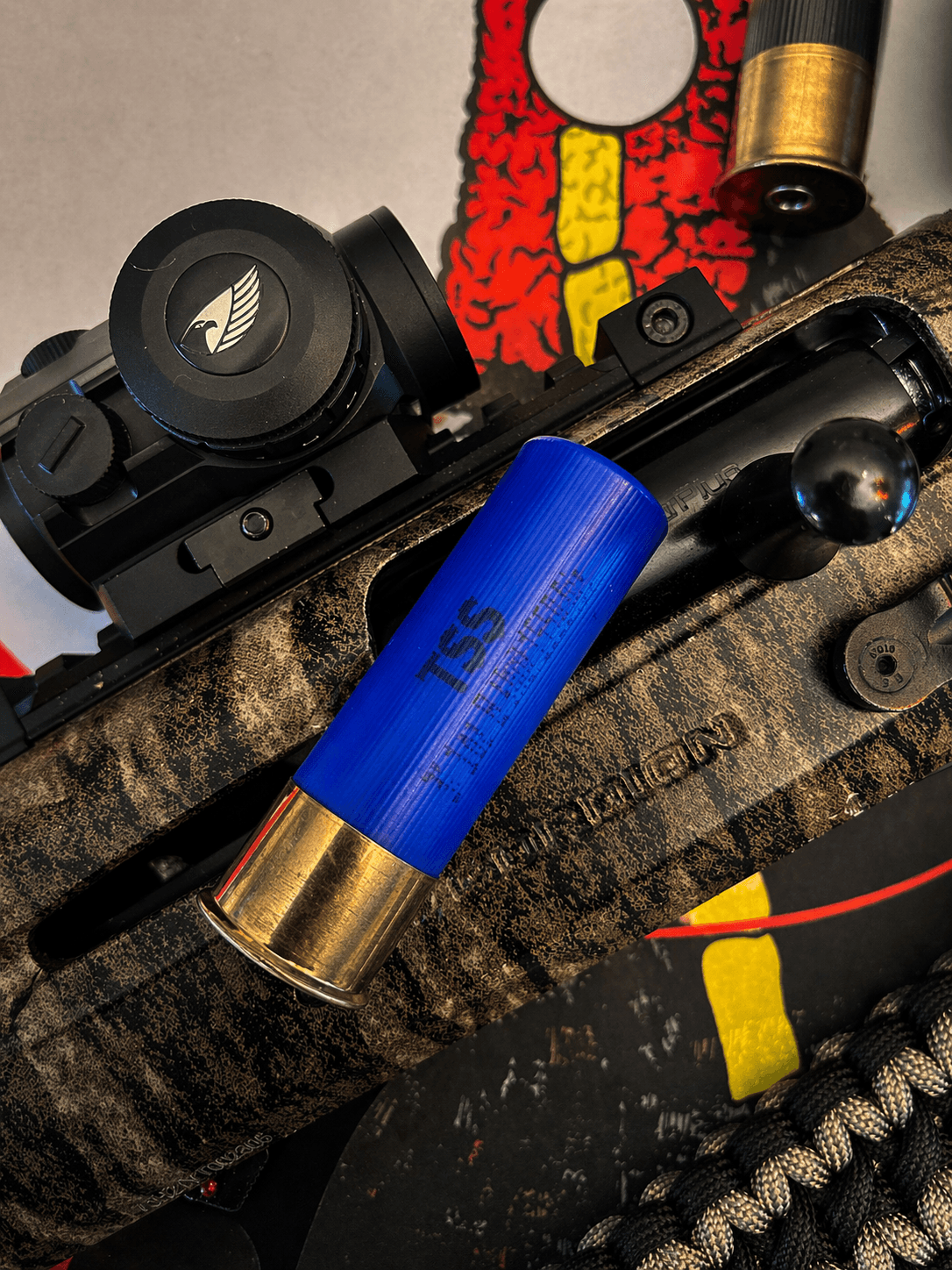
Why TSS Changed Turkey Hunting So Quickly
The effectiveness of TSS comes down to one key factor: density. Tungsten is significantly denser than lead, which allows smaller pellets to carry more energy and penetrate deeper. That translates into tighter patterns, higher pellet counts, and more consistent lethality at distance.
For hunters, that meant more flexibility and more forgiveness. A slightly off-center shot could still result in a clean kill because more pellets were reaching vital areas with enough energy to matter. That kind of margin is hard to overstate, especially in real hunting situations where things rarely go perfectly.
This is what fueled the rise of sub-gauge turkey hunting. The .410 and 28 gauge didn’t suddenly become popular on their own merits. They became effective because TSS allowed them to perform well beyond what their payload would normally support. Even the 20 gauge saw a surge in popularity, offering a balance of lighter recoil and strong performance that appealed to a wide range of hunters.
For a time, it felt like the playing field had been leveled.
The Cost Is Changing Behavior
The reality now is that TSS hasn’t changed in performance, but it has changed in accessibility. Material costs, demand, and limited production have all contributed to higher prices, and that’s starting to influence how hunters use it.
Patterning a turkey gun used to be a routine part of preseason prep. Now, for many hunters, it feels like a calculated expense. Instead of shooting multiple loads to find the best pattern, some are limiting their testing or relying on assumptions.
That’s where problems start to show up.
Confidence with a turkey gun doesn’t come from theory. It comes from knowing exactly how your load performs at specific distances. When hunters cut back on practice, they lose that certainty, and that can lead to hesitation or poor shot execution when it matters most.
In that way, the rising cost of TSS doesn’t just affect your wallet. It affects your effectiveness in the field.
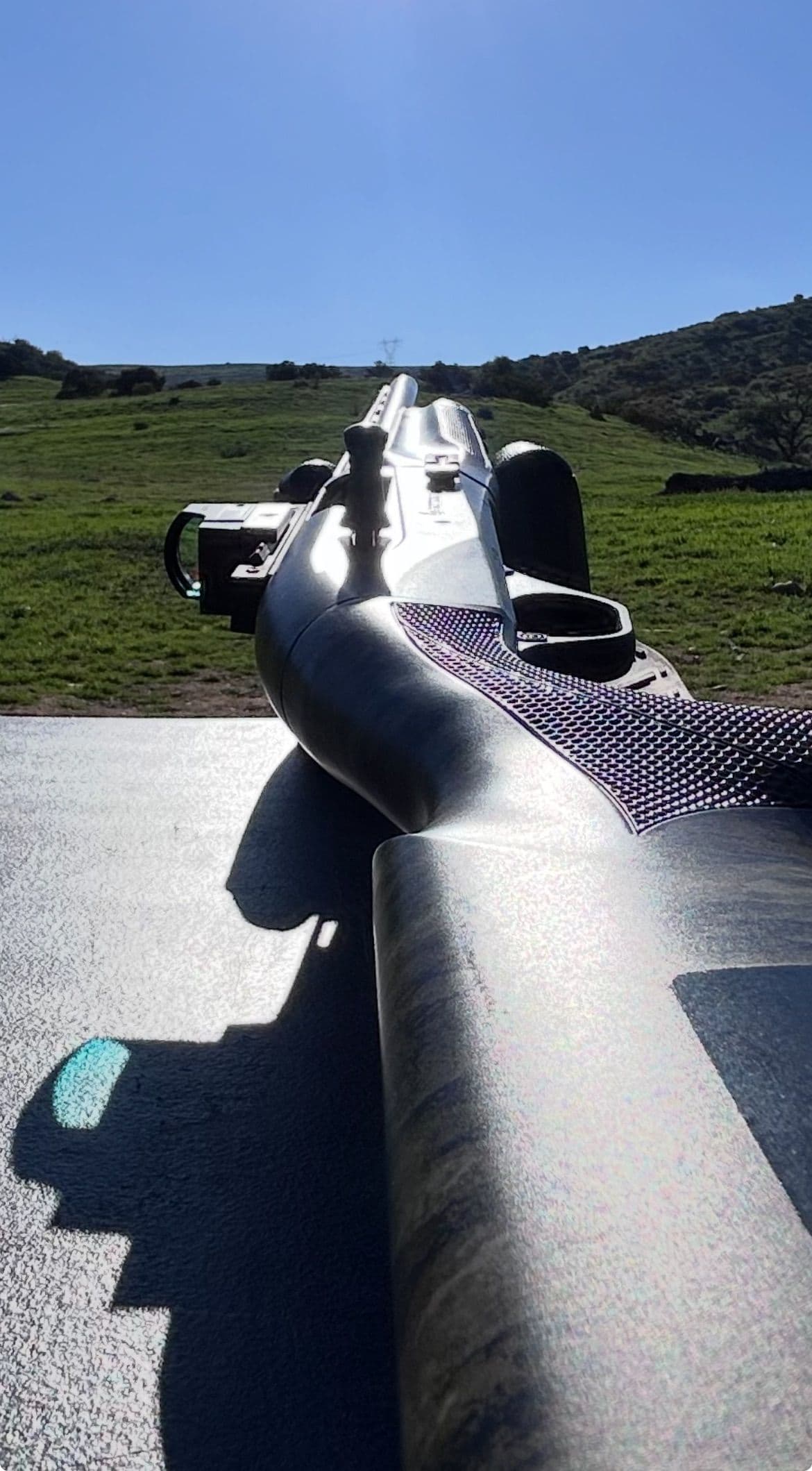
What Happens to Sub-Gauges Without TSS
The biggest impact of rising TSS prices shows up in sub-gauge setups. These guns gained popularity because TSS allowed them to punch above their weight class. Without it, they return to the limitations that come with smaller payloads.
A .410 or 28 gauge loaded with traditional materials simply doesn’t carry the same pellet count or energy. That means thinner patterns and less forgiveness, especially as distance increases. Shots that might have been clean with TSS become marginal or even unethical without it.
This doesn’t make sub-gauges obsolete. It just makes them more specialized. Hunters using them need to be disciplined about range, precise with shot placement, and realistic about their limitations.
The margin for error shrinks quickly, and that’s something many hunters aren’t used to after years of relying on TSS performance.
The 20 Gauge Without TSS Requires More Discipline
The 20 gauge sits in an interesting position because it still offers more payload than smaller sub-gauges, but it also benefited heavily from TSS. With tungsten loads, it became one of the most versatile turkey hunting options available, combining manageable recoil with excellent downrange performance.
Without TSS, the 20 gauge is still effective, but it requires more attention to detail. Lead and bismuth loads don’t carry the same energy, and pattern density drops off faster as distance increases. That means hunters need to be more intentional about their maximum range and more consistent with their setups.
In practical terms, it shifts the 20 gauge from an “easy button” back to a tool that rewards discipline. It can absolutely get the job done, but it doesn’t provide the same cushion for small mistakes.
Why the 12 Gauge Is Gaining Ground Again
While other gauges rely heavily on specialized loads to perform at their peak, the 12 gauge has always been more adaptable. It offers a larger payload, higher pellet counts, and more flexibility across a wide range of ammunition types.
That versatility becomes more valuable as TSS prices rise.
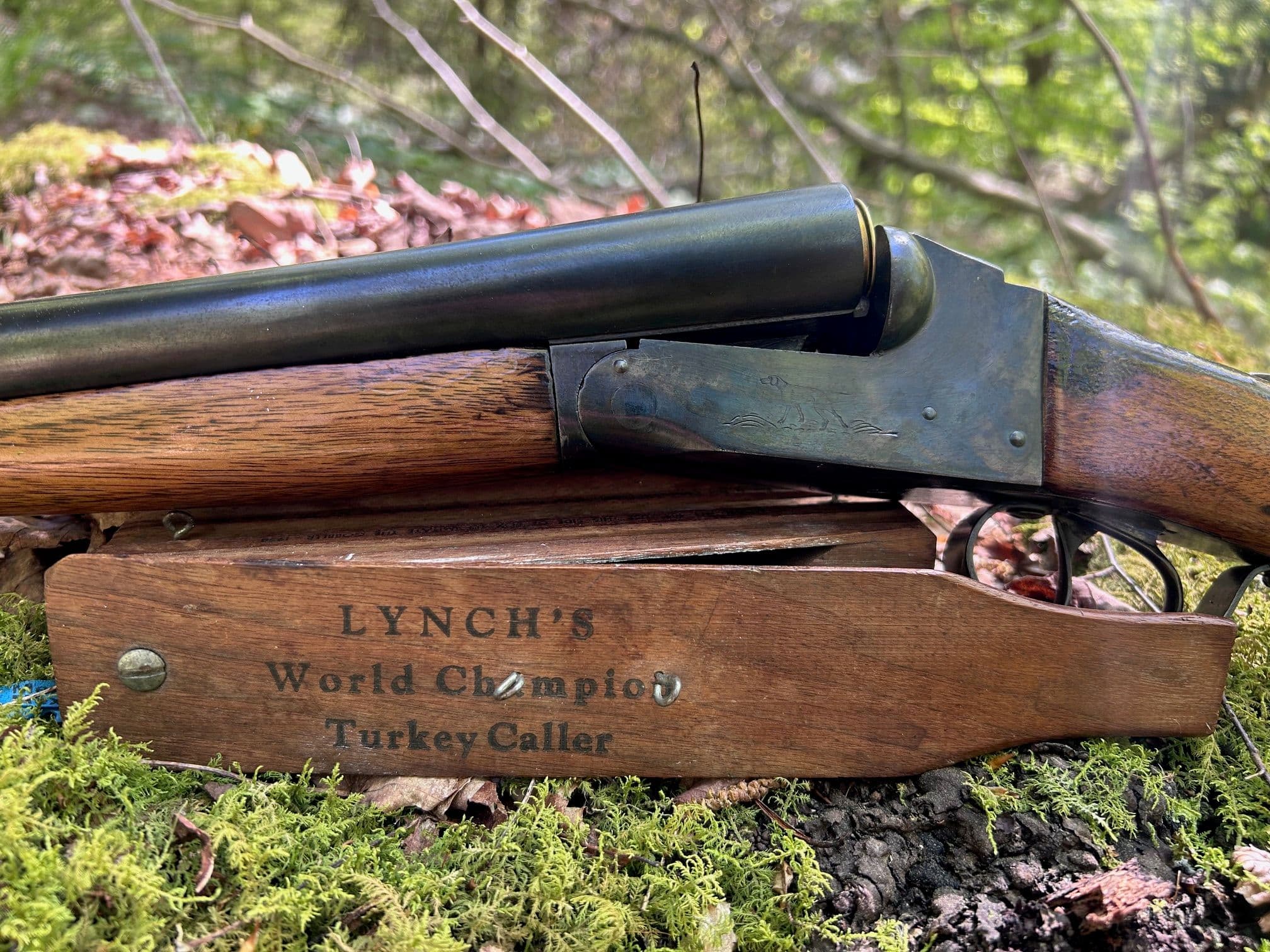
A 12 gauge can still produce dense, effective patterns using high-quality lead or blended loads, especially inside realistic hunting distances. It doesn’t depend on premium materials to remain effective, which makes it a more practical option for hunters who want consistency without constantly paying for top-tier ammo.
This is why many experienced hunters never moved away from the 12 gauge entirely. Even during the height of the sub-gauge surge, it remained the most reliable and forgiving option when conditions got tough.
The Renewed Relevance of 3.5-Inch Loads
For a period, 3.5-inch 12 gauge shells seemed to fade into the background. Not because they stopped working, but because TSS made their advantages less necessary. When smaller guns could achieve similar performance, the added recoil didn’t feel worth it.
That perspective is starting to shift.
A 3.5-inch load provides maximum payload and can produce extremely dense patterns without relying on ultra-premium shot. For hunters who are comfortable managing the recoil, it offers a way to maintain strong performance using more affordable materials.
It’s not a universal solution, and it won’t replace TSS in terms of raw efficiency, but it does provide another viable path for hunters looking to balance cost and effectiveness.
Realistic Alternatives to TSS
There is no true replacement for TSS, and it’s important to stay grounded in that reality. However, there are several alternatives that can perform well within reasonable hunting distances if expectations are adjusted.
Bismuth offers better density than steel and can produce more consistent patterns, making it a step up from basic options. Tungsten blends provide improved performance over traditional lead without reaching the cost of full TSS loads. High-quality lead loads, especially copper-plated options, remain effective where legal and have been used successfully for decades.
The key is shifting your mindset. Instead of relying on extended range, the focus moves back to getting closer, setting up correctly, and taking high-percentage shots. In many ways, this brings turkey hunting back to its roots, where woodsmanship and positioning mattered more than equipment.
Why the 12 Gauge Remains the Most Reliable Option
No matter how ammunition technology evolves, the 12 gauge continues to stand out because of its consistency. It works across a wide range of loads, provides more forgiving patterns, and gives hunters a margin for error that smaller gauges can’t always match.
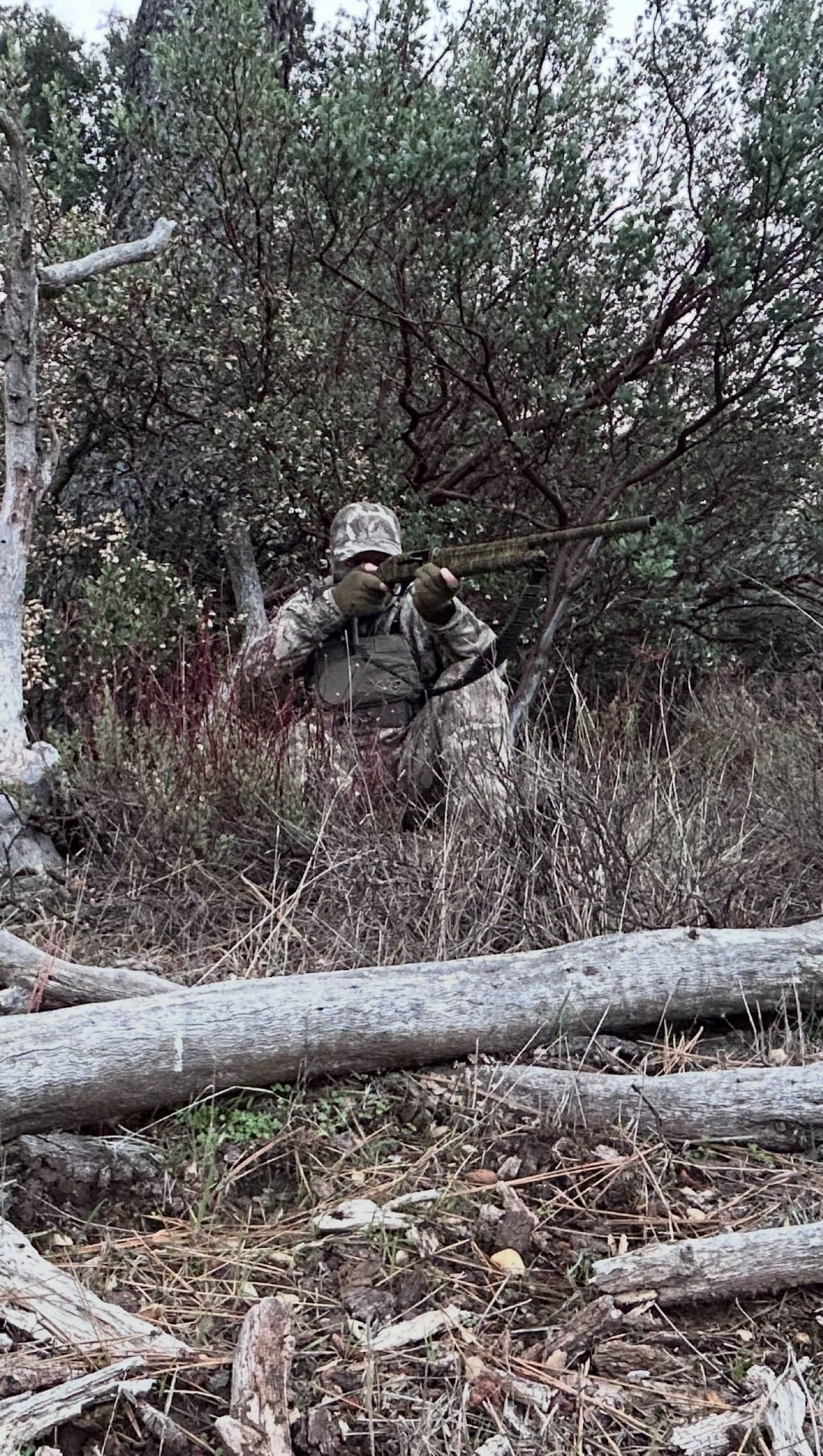
It also allows flexibility. You can run premium TSS when you want maximum performance, switch to mid-tier tungsten blends when cost becomes a concern, or rely on proven lead loads for close-range work.
That adaptability is hard to beat, especially in a hunting environment where conditions and access can vary from season to season.
Opportunity Still Matters More Than Ammo
While it’s easy to focus on gear, ammunition is only one piece of the equation. As turkey populations fluctuate and hunting pressure increases, success is often determined more by opportunity than equipment.
Unlock new properties, hunt smarter, and find birds that haven’t been worked over.Start exploring with Infinite Outdoors and make your next move count.- Sign Up Here
Better ground, lower pressure, and more natural bird behavior can make a bigger difference than any specific load. A turkey that hasn’t been heavily pressured is more likely to respond predictably, commit to a setup, and offer a clean shot within a reasonable range.
This is where platforms like Infinite Outdoors come into play. By giving hunters access to private land with controlled pressure and better habitat, they create situations where success doesn’t rely as heavily on pushing equipment to its limits.
If you want to see how access impacts real hunts, the resource hub at https://infiniteoutdoorsusa.com/blog offers practical examples and strategies built around finding better opportunities.
Final Takeaway
TSS didn’t harm turkey hunting. It expanded it by making smaller gauges more effective and increasing overall confidence in shotgun performance. However, rising costs are forcing hunters to reassess how they use it and whether their setups still make sense.
In the end, success comes down to understanding your equipment, staying within its limits, and putting yourself in situations where birds behave naturally. When those pieces come together, you don’t need the most expensive shell on the market to have a successful season.