How to Find Low‑Pressure Private Land Without Knocking on Doors

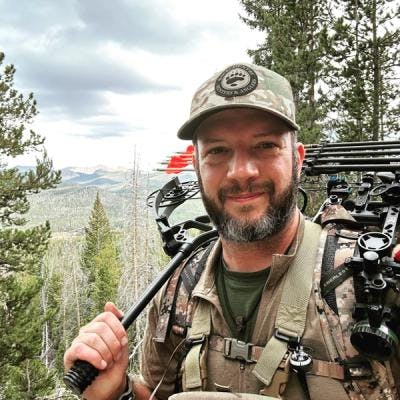
Justin Hunold
01/15/2026
Why Access Matters More Than Public Pressure — And How Infinite Outdoors Helps
I used to think great hunting and fishing always came from the hard way — boots on public ground, sun-up glassing sessions across pressure-packed hillsides, long days fueled by grit and guesswork. And I still respect the grind. There’s something raw and honest about putting in your time, whether it’s at a trailhead at 3:30 a.m. or dragging a boat into a frozen marsh before daylight.
But at some point, that mindset started to shift. I found myself asking: Why am I chasing crowds instead of opportunities? Why compete with 30 other trucks for the same ridge, when there’s a world of overlooked woods and water that quietly produce — without the pressure cooker effect?
Here’s the truth: not all hunting and fishing grounds are created equal, and not all access has to be earned through awkward porch conversations or a flyer stapled to a mailbox post.
That’s where modern tools — like Infinite Outdoors — come into play. They don’t just replace door-knocking; they reframe how we think about access in the first place.
When Pressure Builds, Everything Changes
If you’ve been around the block a few seasons, you’ve seen it unfold: launch ramps packed before sunrise, anglers packed into the same bends and seams, blinds so close you can hear someone else’s duck call echo off your barrel.
This isn’t just annoying — it changes how wildlife acts. Fish don’t chase streamers in the midday sun when they’ve heard a dozen anchors splash that morning. Bucks don't cross open cuts during shooting light after they’ve watched three headlamps bounce into the same treeline every day for a week.
Pressure warps movement. It compresses opportunity. And the more it builds, the worse it gets. A once-productive spring gobbler roost becomes a carnival of decoys. That quiet backwater now draws three guide boats every Saturday.
You’re not just fighting other hunters or anglers — you’re fighting conditioned behavior. And it doesn’t go away easily.
The Real Reason Private Land Holds an Edge
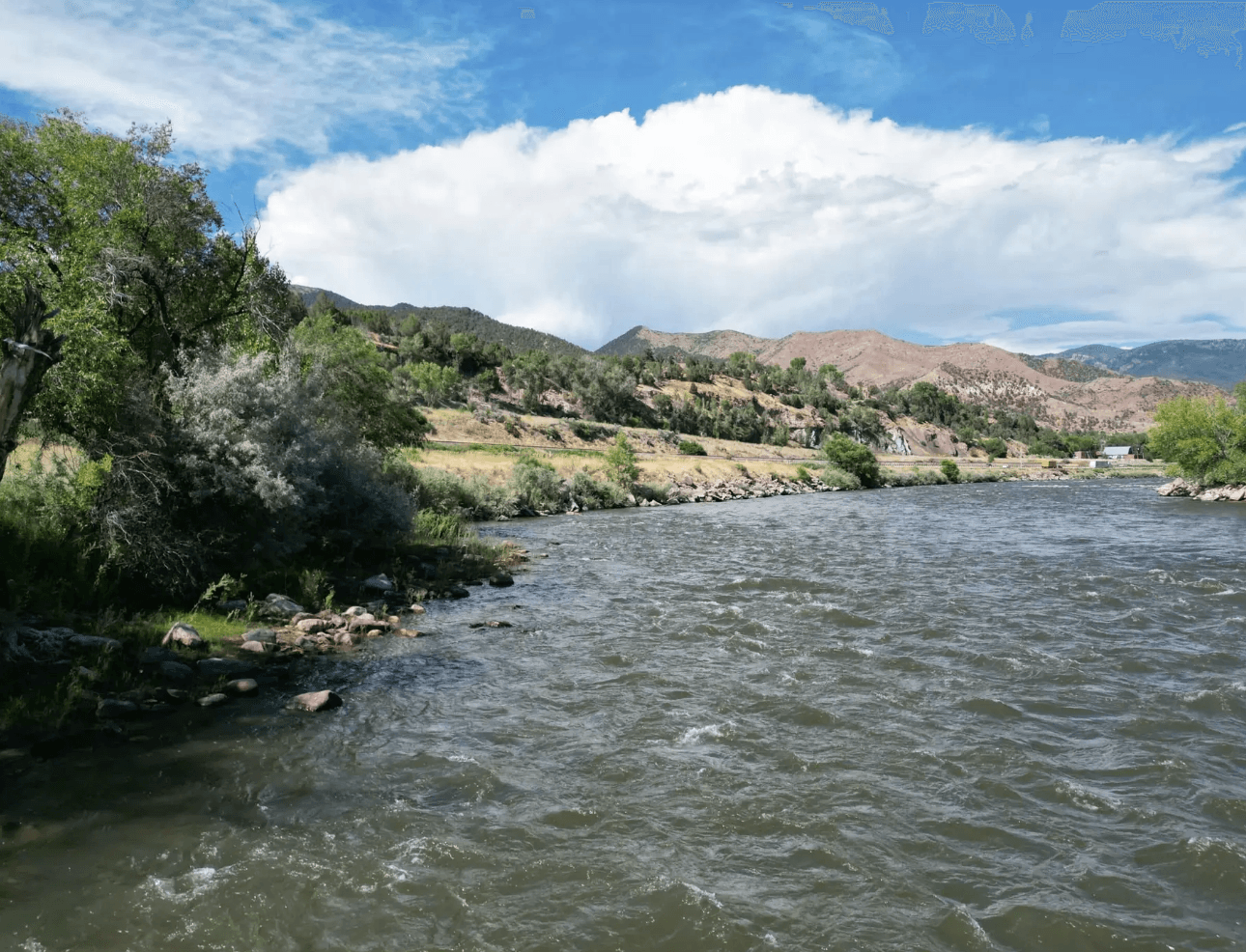
Let’s be clear: private land isn’t magic. But when it’s managed intentionally — not just owned — it gives you something public land rarely can: a clean read.
Animals behave based on habitat, not human patterns. Fish follow current and forage, not boat wakes. Birds lift off because of wind and feed timing, not because someone’s golden retriever broke early from the blind next door.
On private land, you get predictability. Not perfection. But consistency in the right conditions. And that makes you a student of the land — not a follower of other people’s pressure.
I’ve had days where I caught more quality trout before lunch on under-fished private water than I had during entire seasons elbowing through popular streams. Not because I’m better — but because the fish weren’t scared senseless. They still acted like fish: aggressive, opportunistic, unconditioned.
Same goes for big game. I've watched whitetails feed 90 yards from a stand — not because it was hung just right, but because they hadn’t been harassed for weeks.
And then there’s the land itself. Private ground, especially when listed through platforms like Infinite Outdoors, is often better cared for. The streambanks aren’t eroded. The timber stands show signs of stewardship. It’s quality over quantity — and you feel it the moment you step in.
Why Door-Knocking Isn’t a Strategy Anymore
There’s this nostalgic idea that knocking on doors is the “real” way to get access. But let’s be honest — most of the time, it’s a dead end.
The landowner doesn’t answer. Or they do, but they’re unsure about liability, don’t hunt themselves, or just plain aren’t interested in managing strangers on their ground.
Even if they say yes, what are you stepping into? No map. No rules. No context for how often the land’s hunted or fished. You’re back to guesswork.
Access shouldn’t be about begging for a shot. It should be about mutual respect, clear boundaries, and a shared understanding of what the land is there for.
That’s where Infinite Outdoors flips the script.
How Infinite Outdoors Makes the Difference
This isn’t just a digital list of gates and ponds. It’s a system built to connect serious hunters and anglers with landowners who want them there — but on clear, respectful terms.
Instead of chasing rumors or hoping you guessed right, you get to see:
- Where property lines fall
- What kind of access is available (water, woods, etc.)
- Who’s managing it and what they expect
- What kind of use is allowed and when
You step onto the land with knowledge. No more anxious guessing games about whether someone else beat you to the spot or if you’re pushing into an over-hunted area.
And because landowners list their own expectations — use types, seasonal rules, who’s allowed — you don’t waste time or burn bridges.
You’re not just another body in a lineup. You’re a participant in a managed, intentional experience.
Why This Matters for Anglers, Too
Let’s talk water.
Anglers often assume public water is best simply because it’s there. But pressured lakes and rivers tell a different story. Fish don’t rise the same when they’ve seen the same lures day after day. Feeding windows shrink. Reaction bites vanish. The whole mood changes.
On private water, those fish haven’t been conditioned to duck and hide. They respond naturally, because their ecosystem hasn’t been overworked. You might find trout rising past mid-morning, bass hammering topwater late into the day, or steelhead holding shallow when they’re usually buried deep.
Infinite Outdoors gives you access to those waters — and more importantly, the context to know what you’re getting into.
Instead of hoping your launch isn’t full, you choose access based on pressure levels, water structure, current seams, and seasonal behavior patterns.
You’re not showing up to fight for space. You’re showing up to fish.
When Pressure Warps Behavior: A Hunter’s Reality
We’ve all seen it. That draw you scouted early season? Empty by mid-October. The ridge that was full of scrapes in late October? Feels like a ghost town come rifle opener.
It’s not the animals disappearing. It’s them adapting.
Heavily hunted areas shift movement into the shadows — midday lulls, odd patterns, or even nocturnal-only travel. Meanwhile, low-pressure private ground can still show movement at first light because the deer haven’t been pushed into full survival mode.
Upland birds stay closer to feed. Ducks finish cleaner. Turkeys gobble later. Everything settles back into rhythm when it’s not being constantly disturbed.
That’s the difference between simply hunting and hunting smart.
How I Evaluate Low-Pressure Ground
Here’s where I still keep a checklist — just not in bullets alone.
When I look at a piece of hunting ground, I want to see evidence of real habitat: diverse food sources, clean bedding cover, and movement corridors that show more than just old sign. I’m watching for pressure tells too — truck paths, boot prints, signs of overuse. And I ask: what’s the access flow like during the season? Does it match how the animals are moving?
For water, it’s similar. I want to know if I can reach the good spots year-round. I look for signs of structure, transitions, and seasonal holding zones. And most of all, I think about what else is nearby — if the next cove over is full of jet skis and bank anglers, it’ll change the way fish behave.
Most folks skip this part and chase what their buddy told them last weekend. I’d rather understand the ground myself — before I ever step foot on it.
Respect Is the Foundation
Whether you’re chasing ducks, bass, bulls, or browns — the best outdoorspeople are caretakers first.
Low-pressure access works only if we treat it like the privilege it is. That means leaving no trace, following landowner rules to the letter, and doing your part to protect habitat.
Platforms like Infinite Outdoors make that ethic clearer. Everyone knows what’s expected, and everyone benefits when it’s respected.
Final Shot: Don’t Just Hunt Hard — Hunt Smart
Here’s the big takeaway:
Yes, public ground has value. But it often comes with predictable problems — because pressure changes everything. Private land and water offer incredible opportunity when accessed with purpose, not hope. You can either chase crowds… or plan around them.
Modern tools like Infinite Outdoors let you skip the awkward steps, understand what you’re stepping into, and keep your experience personal, productive, and respectful.
Be the kind of outdoorsman who thinks ahead, plans with care, and shows up ready — not desperate.
I’ll see you out there — on quiet water. And in calm woods.