Colorado Fly Fishing Private Land Access: What You Can and Can't Do


Mateo Lorenzo
05/15/2026
Fishing from state to state can be a great way to refine your skills and make great memories with friends and family on the water. However not all states create private water access the same. And Colorado has set itself as one of the most restrictive and misunderstood private land water states in the west. Its easy to assume that most rivers and stream beds are public land, however in COlorado that is not the case. Although we all would like to fish up and down many rivers in the state, its very important to know the private land laws regarding rivers, streams and lakes before you head out for your days chasing trout. By knowing where you can and can’t go you can rest assured that you are going to be able to fish with confidence and enjoy every minute on the water.
Looking for private fly fishing water in Colorado? Infinite Outdoors connects anglers with vetted private water access on rivers, streams, and ponds across the state. Browse fly fishing properties → infiniteoutdoorsusa.com
Colorado's Streambed Law: Why It Catches Anglers Off Guard
Many states, like Montana, let anglers wade a river as long as they enter from public access and stay below the high water mark — the water column itself is considered public. Colorado operates differently. Under Colorado law, the streambed belongs to whoever owns the adjacent land. That includes the bottom, the banks, and any gravel bar in between.
What this means practically: if you're wading a public stretch of the Frying Pan or the Roaring Fork and you wade across the public boundary, you're trespassing — even if you're standing in knee-deep water. The water column is public. The substrate under your waders is not if you are within a private land boundary.
This is one of the most misunderstood legal points in Colorado fishing, and it costs anglers access to water they think they have a right to use. Understanding the actual law is the first step.
The Specific Statute
Colorado Revised Statutes § 37-92-102 establishes that the state owns unappropriated water but not the streambed. The bed and banks of most non-navigable streams in Colorado belong to adjacent private landowners. This was confirmed in People v. Emmert (1979), which held that wading on a privately owned streambed constitutes trespass, regardless of how the angler arrived.
Public parcels you can't legally reach without crossing private ground? Access+ includes passage through landowner agreements. Start your 7-day trial →
What You CAN Do Legally
Despite the streambed ownership issue, Colorado anglers still have meaningful options on public water. The key is understanding exactly where the legal line sits.
- Fish from designated public land. If you enter from a state wildlife area, BLM parcel, or National Forest and fish while keeping both feet on the public-land, you're legal. The restriction applies to wading, not casting across private property.
- Float through private land. Floaters navigating a river by raft, kayak, or drift boat are not trespassing on the streambed as long as they remain in the water column. Do not beach on a private bank or step out to wade. This is the legal gray area that ends friendships between landowners and outfitters.
- Fish public access easements. Some Colorado rivers have public access easements negotiated by CPW, conservation organizations, or municipal water boards. These legal access points are usually marked with CPW signs and are worth mapping before your trip.
- Book private water through a legal access platform. This is the option with the least ambiguity. When you book through IO, the landowner has explicitly authorized your access — including wading rights, camping if listed, and any equipment restrictions they specify.
What You CANNOT Do — Even if It Seems Fine
A few situations trip anglers up repeatedly, usually because the law runs against intuition:
- You cannot wade private streambeds without permission — even if you enter from a public bank and never touch the private bank. The streambed itself is private. If the stretch you want to wade runs through a private ranch, you need permission.
- You cannot portage across private land during a float. Pulling your raft out of the water to carry around a logjam on a private ranch is trespassing — even if the portage is brief and you return to the water immediately.
- Posted or unposted doesn't change the legality. Unlike some states where "No Trespassing" signs are required to establish a trespass claim, Colorado's streambed ownership applies regardless of signage. Assume private is private.
- You cannot cross private pasture to reach a stream, even if the stream is public. There is no public right-of-way to water in Colorado unless a formal easement exists.
Colorado's best fly fishing water is on private land — and now you can book it legally. Infinite Outdoors has private water listings on ranches across the state — from South Platte tributaries to Western Slope tailwaters. No permission needed. Browse Colorado private fly fishing access → infiniteoutdoorsusa.com
The Private Water Difference
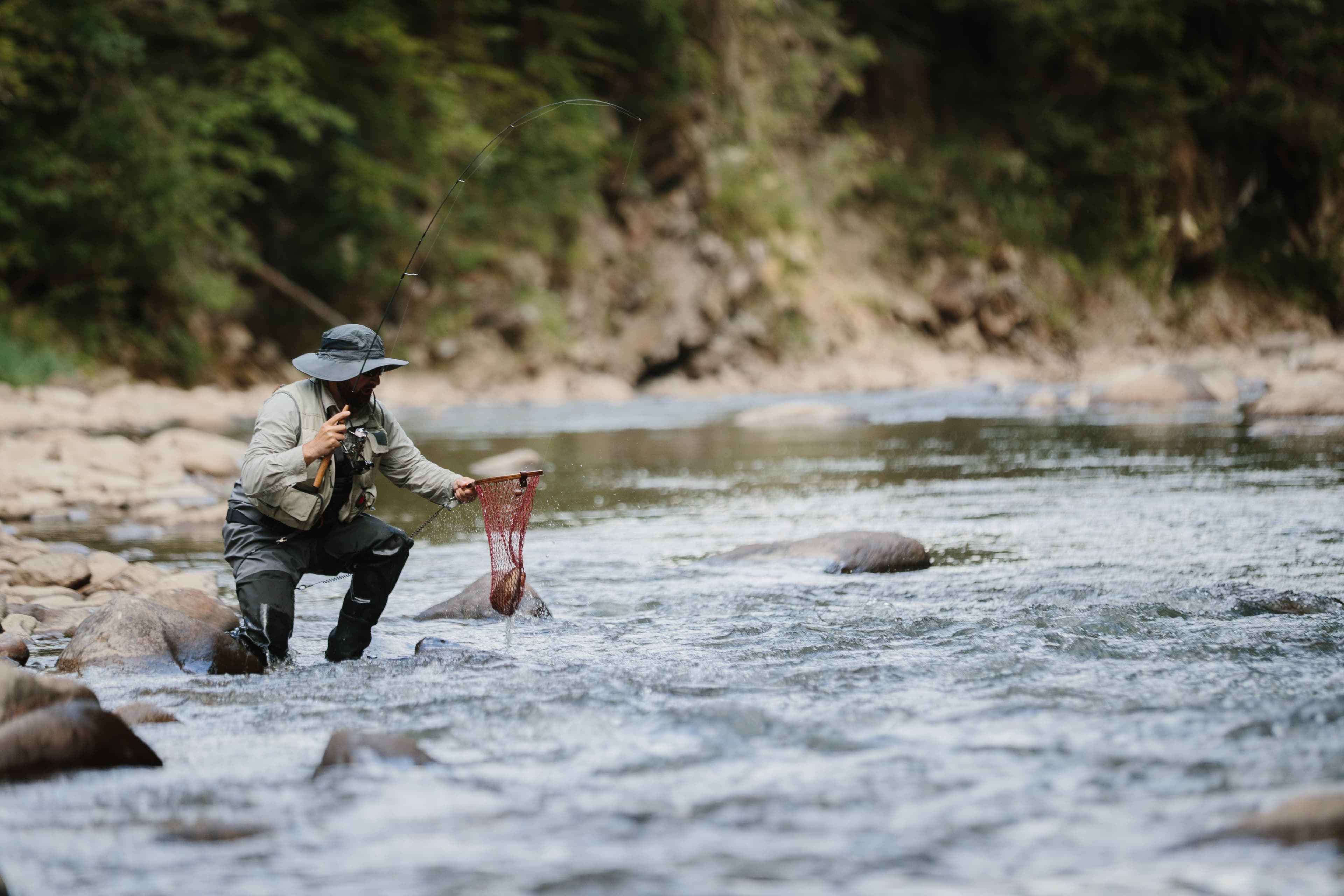
The legal complexity aside, there's a fishing quality argument for private water that has nothing to do with rules. Colorado's famous tailwater fisheries — the South Platte below Cheesman Canyon, the Blue River below Dillon Reservoir, the Frying Pan below Ruedi — get hammered every weekend from Memorial Day through September. Fish in those sections see more flies than most hatches produce insects. They get selective, spooky, and increasingly difficult to fool.
A private ranch with a managed catch rate, enforced rest days, and no bank pressure fishes differently. Fish haven't seen a dozen dry flies that morning. Rises are real. Banks are unmarked. You can work a section without another angler waiting for you to clear.
This is why serious Colorado fly fishers are increasingly willing to pay for access rather than compete on crowded public water. A day on quality private water in a healthy hatch period is worth more than three days grinding through a beaten public stretch.
How to Book Private Water Legally in Colorado
There are three main routes to legitimate private water access in Colorado:
1. Ask Landowners Directly
For small creeks and private ponds, a direct ask still works in some areas. Ranch families who don't need the income and appreciate a respectful introduction will sometimes say yes. Do it in the off-season, in person, and be specific. Don't just show up at the gate during prime season expecting access.
2. Hire an Outfitter with Private Access Agreements
Many Colorado fly fishing outfitters hold long-term access agreements with private ranch owners. Guided trips on these properties can run $400–$700 per person for a full day. If you want instruction alongside access and have the budget, it's a legitimate option. The downside is cost and the guided structure — you're not DIY anymore.
3. Book Through Infinite Outdoors
IO lists private fly fishing properties in Colorado where landowners have explicitly authorized DIY angler access — no guide required. Properties are biologist-vetted, clearly mapped in the IO app with geo-fenced boundaries, and priced per day or per session. The access is confirmed before you arrive and the liability is covered under IO's policy. For a DIY angler who wants private water without booking a guide, it's the most straightforward option on the market.
Conclusion: Know the Rules, Then Get Off the Public Stretches
Colorado's streambed ownership law is stricter than most anglers expect coming from other states. The bottom line: if you're not standing on public land or in a vessel floating through, you need explicit permission to be there. That's not a technicality — it's the law that's been upheld by Colorado courts.
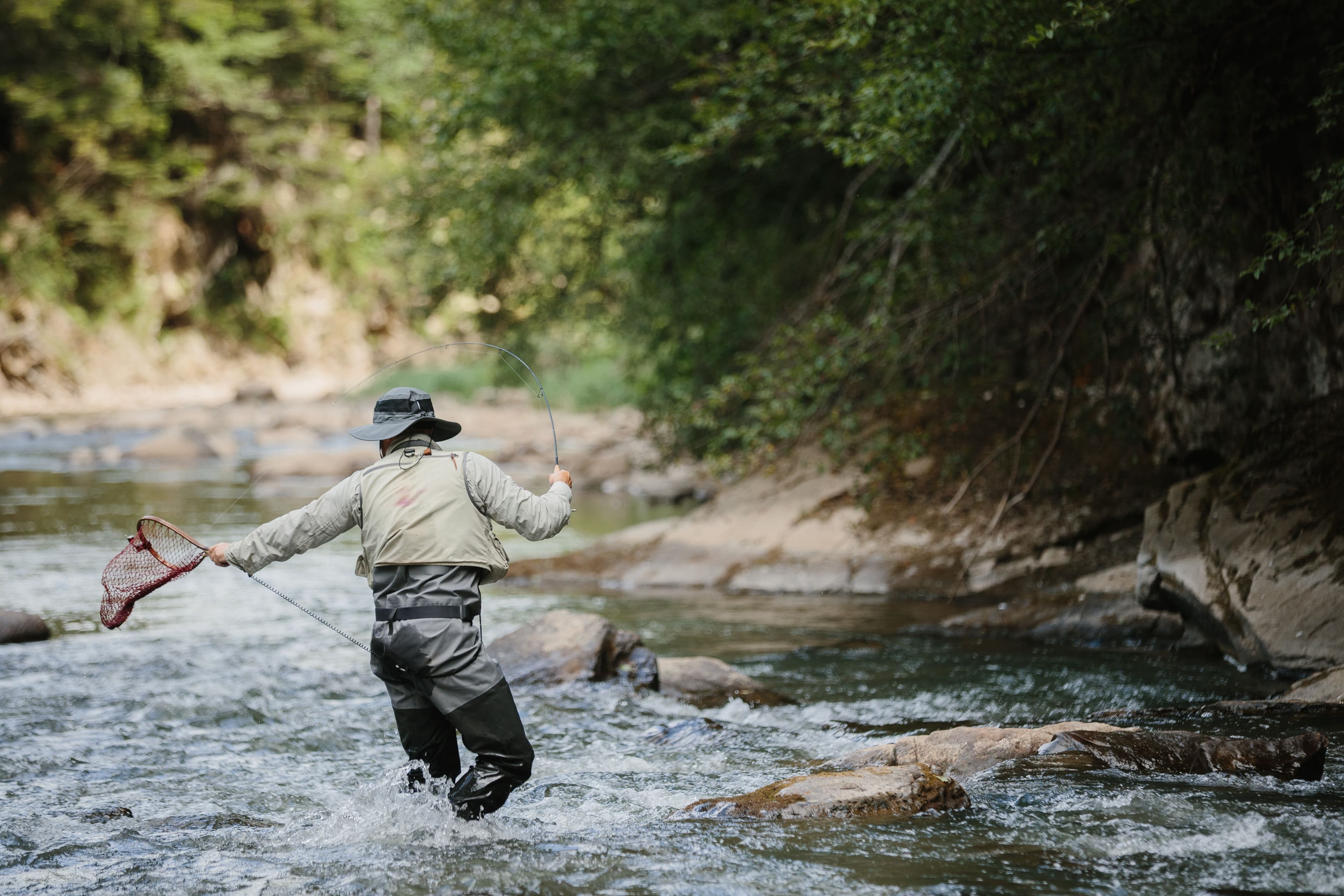
Once you understand it, your options clarify. Fish the public bank sections and float-access stretches you're entitled to. For the quality water that's been managed and protected from pressure, book it legally through IO and show up to water that actually fishes.
You've fished the public runs. Now try water that hasn't been hammered. Infinite Outdoors has private fly fishing properties across Colorado — rivers, tailwater tributaries, and private ponds with healthy, managed trout populations. Book a day on legitimate private water and see the difference. Browse Colorado fly fishing access → infiniteoutdoorsusa.com
FAQ: Colorado Fly Fishing Private Land Access
Can I wade a Colorado river that runs through private land?
No. In Colorado, landowners own the streambed — not just the banks. Even if you enter from public land, wading onto a stretch of streambed adjacent to private property is considered trespass. You need the landowner's explicit permission to wade private streambeds.
Is it legal to float through private land in Colorado?
Yes, with important caveats. You can legally float on a navigable river through a private ranch in a vessel as long as you remain in the water column. You cannot beach, wade, or portage across private land. Dragging your raft across a private bank, even briefly, constitutes trespass.
What is a public access easement on a Colorado river?
A public access easement is a legal agreement giving anglers the right to access and wade a specific stretch of stream that would otherwise be private. Colorado Parks and Wildlife and some conservation organizations have negotiated these on certain drainages. They are typically marked with CPW signs.
How much does private fly fishing access cost in Colorado?
Rates vary by property and season. Guided day trips on private water typically run $400–$700 per angler. DIY access booked through Infinite Outdoors is priced per session by the landowner and varies by property — generally lower than guided rates. Check IO listings for current pricing.
Are there rest days on IO private fishing properties?
Yes. IO requires rest days on all listed properties to maintain healthy fish populations and reduce angling pressure. Specific rest day schedules are set by the landowner and visible in each property's listing. It's part of how IO's biologist-vetting process ensures the water you book fishes at its best.