100 Essential Hunting & Survival Skills Every Outdoorsman Should Master

Justin Hunold
01/30/2026
The woods don't care about your gear or your social feed. Out here, what matters is what you know—and what you can do when the chips are down. This guide breaks down 100 hard-earned skills that separate capable hunters and outdoorsmen from tourists in camo. No fluff. Just real-world ability across fieldcraft, hunting, fishing, survival, and mindset.
FIELDCRAFT & WOODSMANSHIP (1–20)
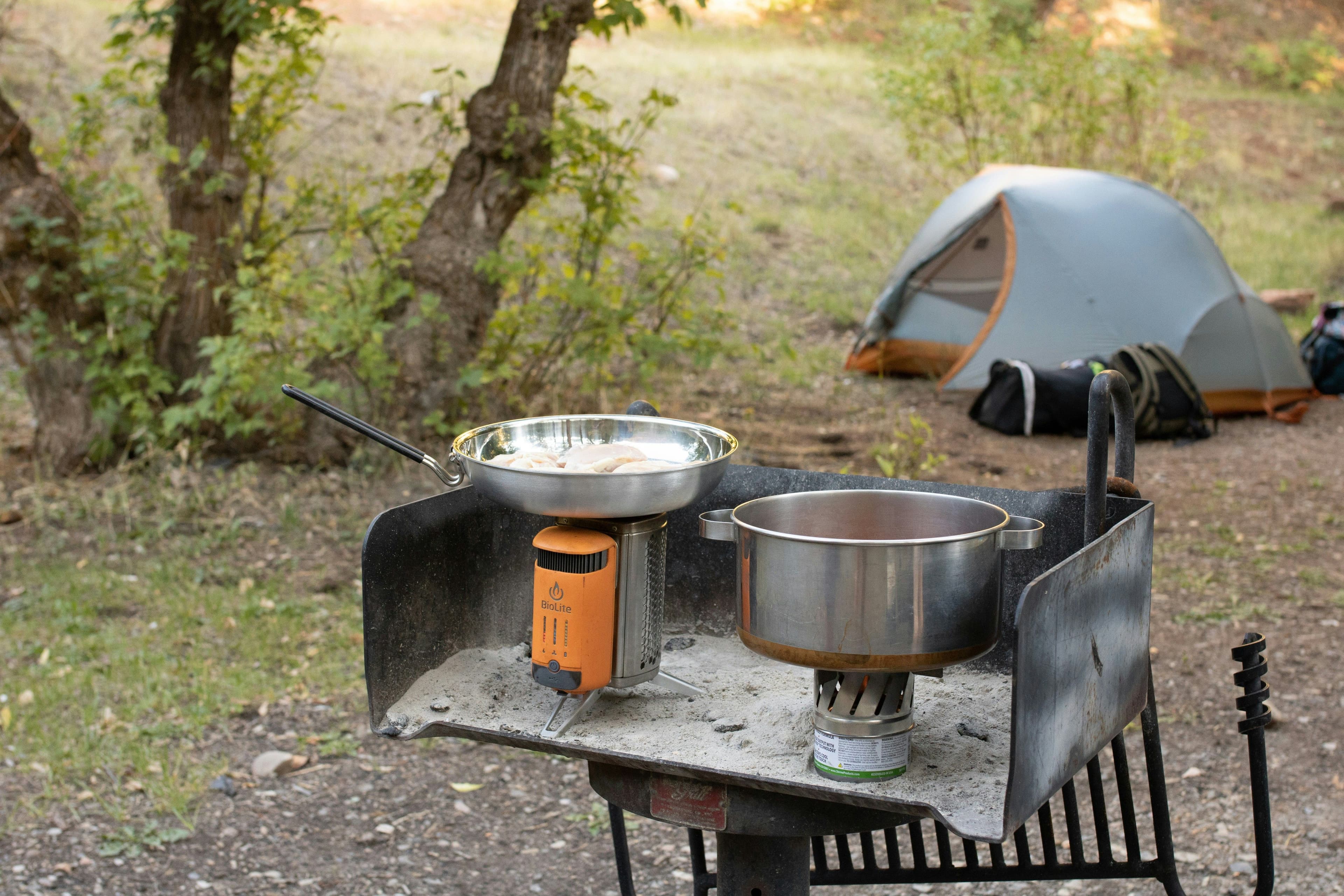
These are the roots. The foundation every outdoorsman builds on. If you can’t read the land, navigate the unknown, or make decisions when cold and tired—you won’t last long. Fieldcraft isn’t sexy. It’s survival.
1. Land Navigation (Map & Compass)Understanding terrain, bearing, declination, and dead reckoning without electronics. Implemented when electronics fail or in deep backcountry navigation scenarios.
2. GPS & Digital Mapping Literacy: Using GPS, apps, and digital layers without becoming dependent on them. Used when scouting, dropping pins, or planning hunt zones.
3. Terrain Reading: Interpreting ridges, saddles, benches, drainages, and funnels. Crucial for selecting stand locations or interpreting animal travel routes.
4. Wind Reading: Understanding prevailing winds, thermals, and micro-currents. Used in hunting setups and scent control strategies.
5. Stealth Movement: Moving through brush, timber, and open ground quietly. Essential during final stalks or entering bedding areas.
6. Track Identification: Recognizing species, age, direction, and behavior from tracks. Used in tracking animals or confirming presence in an area.
7. Sign Interpretation: Reading beds, rubs, scrapes, droppings, trails, and disturbances. Used in scouting, patterning game, and stand placement.
8. Time-of-Day Awareness: Understanding how behavior shifts throughout the day. Influences glassing times, feeding pattern predictions, and animal encounters.
9. Weather Interpretation: Reading clouds, barometric pressure, fronts, and storm behavior. Important for trip planning, movement patterns, and survival.
10. Fire Building (All Conditions)Building and maintaining fire in rain, snow, wind, and cold. Survival-critical when stranded or needing heat quickly.
11. Fire Safety & Ethics: Knowing when not to build a fire and how to extinguish properly. Applied at campsites or in high-risk areas.
12. Shelter Construction (Improvised)Building shelter using terrain and natural materials. Used in survival, sudden weather, or emergency bivouacs.
13. Knot Tying & Rope WorkKnots for shelter, hauling, hanging food, and gear repair. Used across camp setup, meat hanging, and emergency fixes.
14. Tool Use & Maintenance: Axe, saw, knife, and multitool skills and upkeep. Crucial in field dressing, firewood prep, and gear repair.
15. Situational Awareness: Understanding where you are, what’s around, and what could change. Vital during hunts, camps, or moving through unknown terrain.
16. Leave No Trace Ethics: Minimizing impact while staying effective. Used in public land camping, hunting, and travel to preserve access.
17. Night Movement & Awareness: Navigating and operating safely in low-light or darkness. Used during late recoveries, early entries, or emergencies.
18. Reading Human Pressure: Signs of hunters, anglers, hikers, and how they affect wildlife. Helps avoid pressure zones and select better spots.
19. Patience & Stillness: Waiting, observing, and letting the environment reveal itself. Essential in stand hunting and natural observation.
20. Decision Making Under FatigueSmart calls when tired, cold, hungry, or stressed. Applies during long hunts, pack-outs, or survival situations.
Fieldcraft Takeaways:
- Don’t just carry gear—know how to survive without it.
- Your brain is your best tool in the backcountry.
- If you don’t practice these when it’s easy, you’ll fail when it’s hard.
HUNTING SKILLS & ANIMAL BEHAVIOR (21–45)
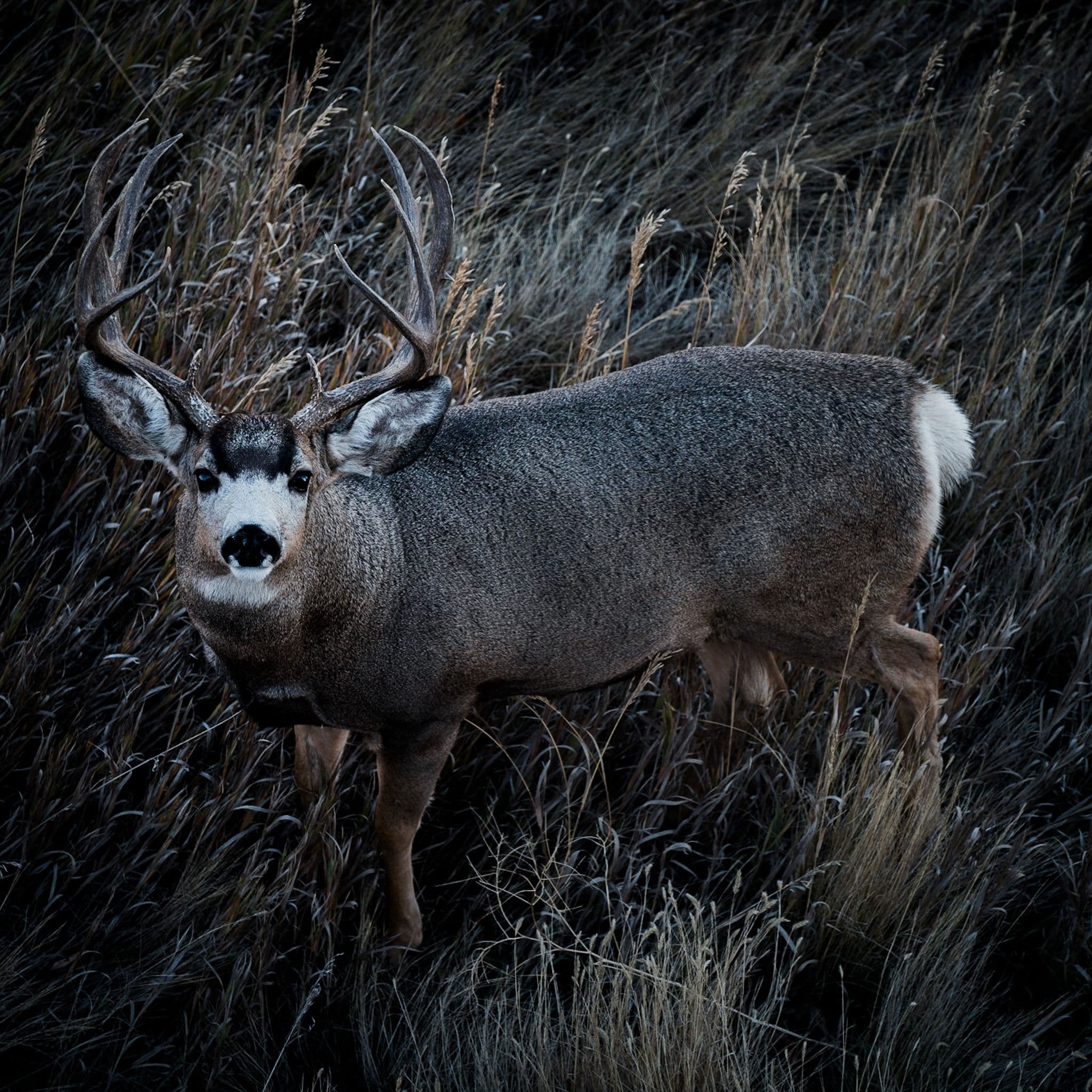
Every animal leaves clues. Every season changes the rules. A capable hunter doesn’t rely on luck or rut timing; he knows how game lives, moves, and reacts. These skills close the distance.
21. Species-Specific Biology: Understanding anatomy, senses, diet, and life cycles of game species. Crucial for locating animals, selecting shots, and timing the hunt.
22. Seasonal Behavior Patterns: Knowing how animals shift habits throughout the year. Used when selecting tactics based on pre-rut, rut, post-rut, or late season.
23. Feeding Pattern Analysis: Identifying preferred food sources by season and region. Applied during scouting and for selecting ambush zones.
24. Bedding Area Identification: Understanding where and why animals choose specific resting areas. Helps in targeting mature game and building morning strategies.
25. Travel Corridor Recognition: Identifying natural movement routes between food, water, and cover. Used to intercept game at pinch points or funnels.
26. Wind-Based Setup Selection: Choosing hunting positions that account for animal scent detection. Implemented in all ambush or still-hunting setups.
27. Shot Placement Knowledge: Ethical, lethal shot selection across weapons and angles. Vital for clean harvests and minimizing suffering.
28. Weapon Proficiency (Firearms): Safe handling, marksmanship, and maintenance. Applied in all rifle or shotgun-based hunts and practice.
29. Weapon Proficiency (Archery)Tuning, shooting form, distance judgment, and ethics. Required for consistent and ethical bowhunting.
30. Calling & Vocalizations: Using calls appropriately without overcalling. Applied during elk rut, turkey hunting, and predator hunts.
31. Decoy Strategy: Knowing when decoys help—or hurt. Used during open field setups or when drawing in visual-based species.
32. Tracking Wounded Game: Blood trail analysis and recovery techniques. Critical post-shot for finding and recovering animals.
33. Field Dressing Game: Efficient, clean processing in the field. Needed immediately after a successful harvest.
34. Meat Care & Preservation: Keeping meat clean, cool, and safe from spoilage. Implemented from the moment of harvest to the cooler.
35. Understanding Pressure Response: How animals react to hunting pressure and adapt. Used to shift strategy when other hunters arrive.
36. Regulation Literacy: Knowing laws, seasons, limits, and ethical boundaries. Crucial for staying legal and responsible.
37. Tag & License Management: Staying organized and legal across states and species. Important for travel hunts and multi-tag systems.
38. Species Identification at Distance: Properly identifying legal game before the shot. Avoids mistaken harvests and builds confidence.
39. Aging Animals on the Hoof: Estimating age based on body characteristics. Applied in managing herd dynamics and trophy judgment.
40. Sex Identification: Differentiating males and females under varied conditions. Used during any hunt with sex-specific rules.
41. Habitat Evaluation: Assessing land for long-term hunting potential. Used for lease decisions, scouting, and public land evaluation.
42. Public Land Strategy: Avoiding crowds and finding overlooked areas. Critical for DIY hunters and pressure management.
43. Private Land Etiquette: Respectful access, boundaries, and landowner relations. Builds trust and access longevity.
44. Mental Discipline Under Opportunity: Staying calm when adrenaline hits. Needed in the final moments of a shot opportunity.
45. Accepting the No-Kill DayUnderstanding that restraint is part of mastery. Embraced when the shot isn’t right or nothing presents.
Hunting Skills Takeaways:
- Don’t just chase—understand what you’re hunting.
- Season, pressure, and terrain all change the game.
- Be lethal, be ethical, be ready when it counts.
FISHING & AQUATIC SKILLS (46–65)
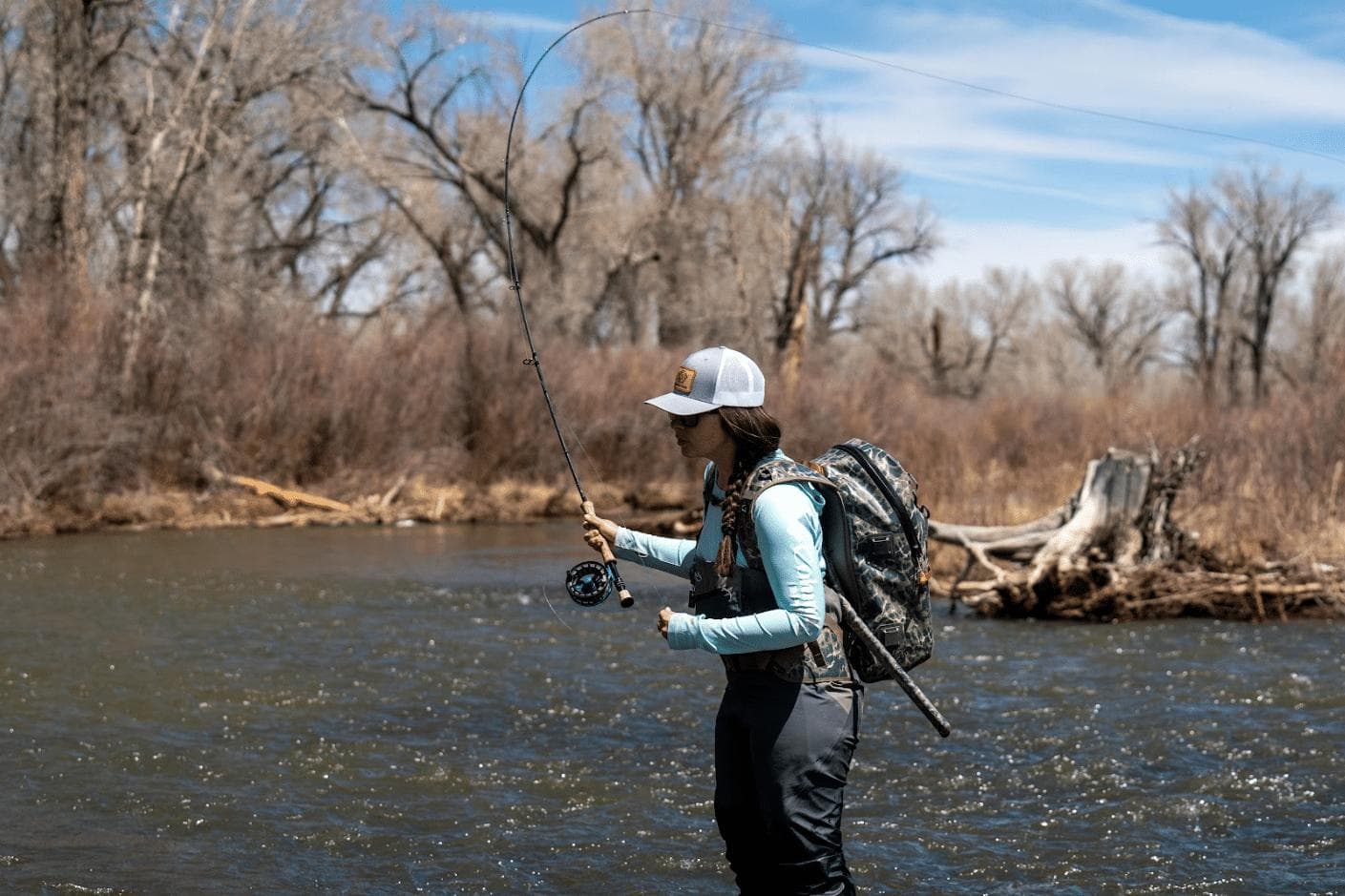
The water hides more than it shows. To consistently catch fish, especially in wild, pressured, or unfamiliar water, you need more than luck. These are the skills that turn weekend casts into confident, capable angling wherever you drop a line.
46. Fish Species Identification: Knowing what you caught—and what you should release. Ensures legal compliance and resource respect.
47. Seasonal Fish Behavior: Understanding spawning, feeding, and migration patterns. Used for targeting active fish by season.
48. Water Reading (Rivers)Identifying seams, eddies, runs, and holding water. Helps locate fish in current.
49. Water Reading (Lakes & Ponds)Understanding structure, depth, and temperature zones. Used to find fish zones in stillwater.
50. Tide & Current Knowledge: For coastal and estuary fishing. Crucial for saltwater anglers and timing bites.
51. Lure Selection Logic: Matching forage, water clarity, and conditions. Increases effectiveness and match-the-hatch strategies.
52. Live Bait Handling: Keeping bait alive and presenting it naturally. Used in live-bait presentations.
53. Casting Accuracy: Placing baits quietly and precisely. Critical in pressured or clear water.
54. Knots for Fishing: Reliable, strong connections for lines and leaders. Needed for rigging and gear integrity.
55. Tackle Maintenance: Reel care, line management, and gear longevity. Prevents failure on the water.
56. Fly Selection & Presentation: Matching hatches and natural drift. Used in fly fishing for mimicking food sources.
57. Hook Setting Technique: Timing and pressure appropriate to species. Avoids missed bites and gut hooks.
58. Fighting Fish Properly: Landing fish without unnecessary stress. Needed for trophy or catch-and-release handling.
59. Fish Handling & Release Ethics: Minimizing harm to released fish. Ensures survival and fishery health.
60. Weather Impact on Fish: Understanding how pressure, wind, and temperature affect bites. Used for bite windows and trip planning.
61. Boat Safety Basics: Operating safely on water. Prevents accidents in backcountry or coastal systems.
62. Wading Safety: Reading current and footing. Applied in rivers and streams.
63. Ice Safety (Cold Regions)Understanding thickness and risk. Required for safe winter angling.
64. Harvest Ethics: Knowing when to keep fish—and when not to. Helps sustain populations.
65. Cleaning & Cooking Fish: From water to plate efficiently. Applied immediately post-harvest.
Fishing Takeaways:
- Know your quarry like you know your gear.
- Fish behavior changes fast—stay curious, stay ready.
- Harvest only what you’ll use. Treat every catch with respect.
CAMPING, SURVIVAL & OUTDOOR LIVING (66–80)

You can’t hunt or fish at your best if you’re soaked, cold, or underfed. Survival doesn’t just keep you alive; it keeps you sharp. This section covers the systems and smarts that let you operate longer, safer, and more effectively in the backcountry.
66. Camp Site Selection: Wind, drainage, safety, and comfort. Applied during setup for safety and rest.
67. Efficient Camp Setup: Minimizing time and effort. Helps with time management and energy conservation.
68. Cold Weather Camping: Layering, moisture control, and sleep systems. Crucial for winter conditions.
69. Hot Weather Management: Hydration, shade, and heat illness prevention. Needed in desert or summer hunts.
70. Water Sourcing & Purification: Finding and making water safe. Used in backcountry or emergencies.
71. Food Planning & Calorie Management: Fueling for energy, not just comfort. Used during extended hunts or hikes.
72. Backpack Organization: Efficient weight distribution and accessibility. Affects comfort and retrieval speed.
73. Emergency PreparednessFirst aid, signaling, and contingency planning. Needed for all remote outings.
74. Navigation in Poor Conditions: Fog, snow, rain, and whiteout travel. Applied when visibility drops.
75. Wildlife Safety: Avoiding negative encounters with predators. Key in bear or mountain lion country.
76. Bear-Safe Food Storage: Proper hanging and container use. Used in grizzly and black bear areas.
77. Improvised Repairs: Fixing gear in the field. Keeps systems running despite gear failure.
78. Minimalist Packing: Carrying only what matters. Used in high-mileage backcountry travel.
79. Long-Term Camp Living: Staying organized and functional over days or weeks. Needed on basecamp or spike hunts.
80. Mental Resilience Outdoors: Handling solitude, discomfort, and setbacks. Critical for long hunts and solo missions.
Survival Takeaways:
- Small comforts lead to big success.
- Build systems that let you focus on the hunt—not just staying warm.
- The best survivalists don’t look like they’re surviving at all.
ETHICS, MINDSET & LIFE SKILLS (81–100)
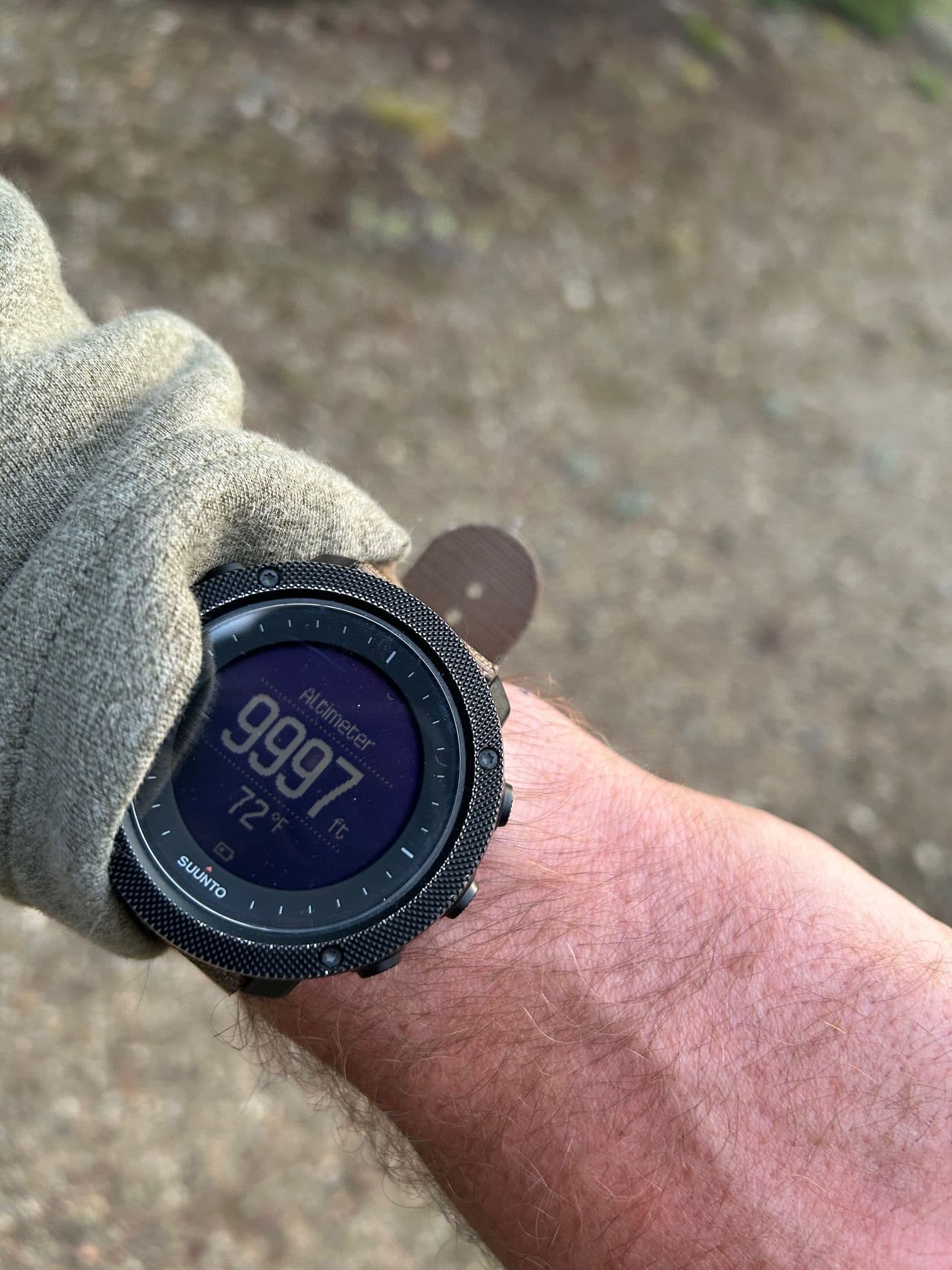
The most important skills aren’t always the flashiest. These are the ones that keep you grounded, humble, and growing. Ethics, attitude, and awareness aren’t just part of being a good hunter—they’re the heart of it.
81. Risk Assessment: Knowing when to push and when to pull back. Crucial in bad weather or remote areas.
82. Respect for Wildlife: Seeing animals as living systems, not targets. Core to ethical hunting.
83. Conservation Awareness: Understanding how management funds and protects wildlife. Guides advocacy and license funding.
84. Teaching Others Safely: Passing knowledge responsibly. Helps grow ethical outdoor culture.
85. Mentorship Openness: Learning from those more experienced. Speeds up learning curve.
86. Humility in the Outdoors: Accepting that nature always wins. Prevents overconfidence.
87. Adaptability: Changing plans when conditions demand it. Required during sudden weather or animal shifts.
88. Observation Before Action: Letting the environment speak first. Increases understanding and success.
89. Time Management Outdoors: Knowing when to move and when to stay. Affects everything from glassing to meat care.
90. Gear Discipline: Avoiding unnecessary complexity. Simplifies your hunt and reduces weight.
91. Ethical Harvest Decisions: Taking only what you can use. Central to conservation.
92. Cultural & Local Knowledge RespectLearning regional traditions and norms. Builds community and access.
93. Physical Conditioning: Strength, endurance, and mobility for the field. Affects every step.
94. Recovery & Injury Prevention: Staying healthy over years, not seasons. Increases field longevity.
95. Season-Long Planning: Thinking months ahead, not days. Improves success and preparation.
96. Failure Analysis: Learning from missed opportunities. Grows long-term skill.
97. Patience Over Ego: Letting go of outcome obsession. Builds discipline.
98. Self-RelianceSolving problems without external rescue. Required in remote or solo hunts.
99. Gratitude for Access: Recognizing how rare wild places are. Grounds your outdoor ethic.
100. Lifelong Curiosity: The willingness to never stop learning outdoors. Fuels the next adventure.
Mindset Takeaways:
- The woods reveal who you are, not who you pretend to be.
- Stay humble, stay grateful, and never stop learning.
- Resilience, ethics, and curiosity will outlast any trend.
Final Thoughts
You can’t buy these skills. You earn them, with time, failure, and miles under your boots.
The wild doesn’t hand out trophies for trying. It tests your patience, your grit, your instincts. And if you pass? You walk out better. Sharper. Hungrier for the next season.
So print this list. Study it. Live it. Then make it your own.
Because out here, talk is cheap, but capability is everything.